Exit Deck | Component 3 • Blues
Edexcel Component 3 • Music in Context
Topic: The Blues (1920s to present)
🎸 Topic Deep Dive • GCE Music Technology

The Blues

From solo Delta singers captured on portable disc recorders to the amplified, overdriven sound of 1950s Chicago and the British blues boom. The Blues is the root of rock and roll, R&B, soul and most popular music since — and every step of its story is driven by technology: resonator guitars, amplification, valve overdrive, studio recording and sampling.

AO4 Four Sub-genres

Country, Chicago, British & Blues Rock

Trace the style from Robert Johnson (Country Blues) through Muddy Waters and B.B. King (Chicago) to the Yardbirds, Rolling Stones and blues rock.

AO3 Technology

From Acoustic to Amplified

Resonator and slide guitar, the electric guitar, amplified harmonica, valve amp overdrive and the move from mono field discs to Chess Records studio quality.

AO4 Musical Features

12 Bar, Blues Scale, Call & Response

The I-IV-V 12 bar pattern, blues scale, call and response between voice and lead instrument, and emotive melismatic singing about poverty and lost love.

Press Space or → to navigate
📋 Specification Roadmap

Component 3 Syllabus Matrix for The Blues

Edexcel expects you to connect the technology used to the sound you hear, and to place the style in its cultural and musical context.

AO3: Technology & Processes

Instruments, Recording & Processing

  • Early recording: mono discs, one microphone or horn, heavy surface noise, poor separation of instruments.
  • Electric instruments: introduced with Chicago Blues in the 1940s/50s — electric guitar, bass guitar and amplified harmonica.
  • Distortion: the main effect used — natural valve amp overdrive on guitar and harmonica.
  • Post-war quality: recording quality is vastly improved from 1945 onwards.
  • Later keys: Hammond organ in British Blues and Blues Rock.
AO4: Musical & Cultural Context

Features, Influences & Exchange

  • Structure: 12 bar blues (I I I I, IV IV I I, V IV I I) and other I, IV, V progressions.
  • Melody: the blues scale; call and response; harmonica, guitar and piano solos.
  • Lyrics & voice: poverty and lost love; emotive, sometimes melismatic “wailing” delivery.
  • Influenced by: Country, Jazz and Spirituals.
  • Influence on: Rock and Roll, Heavy Metal, Jazz, R&B, Soul — and sampling (Moby).
🌾 1920s–1930s • Country Blues

Country Blues: One Voice, One Guitar
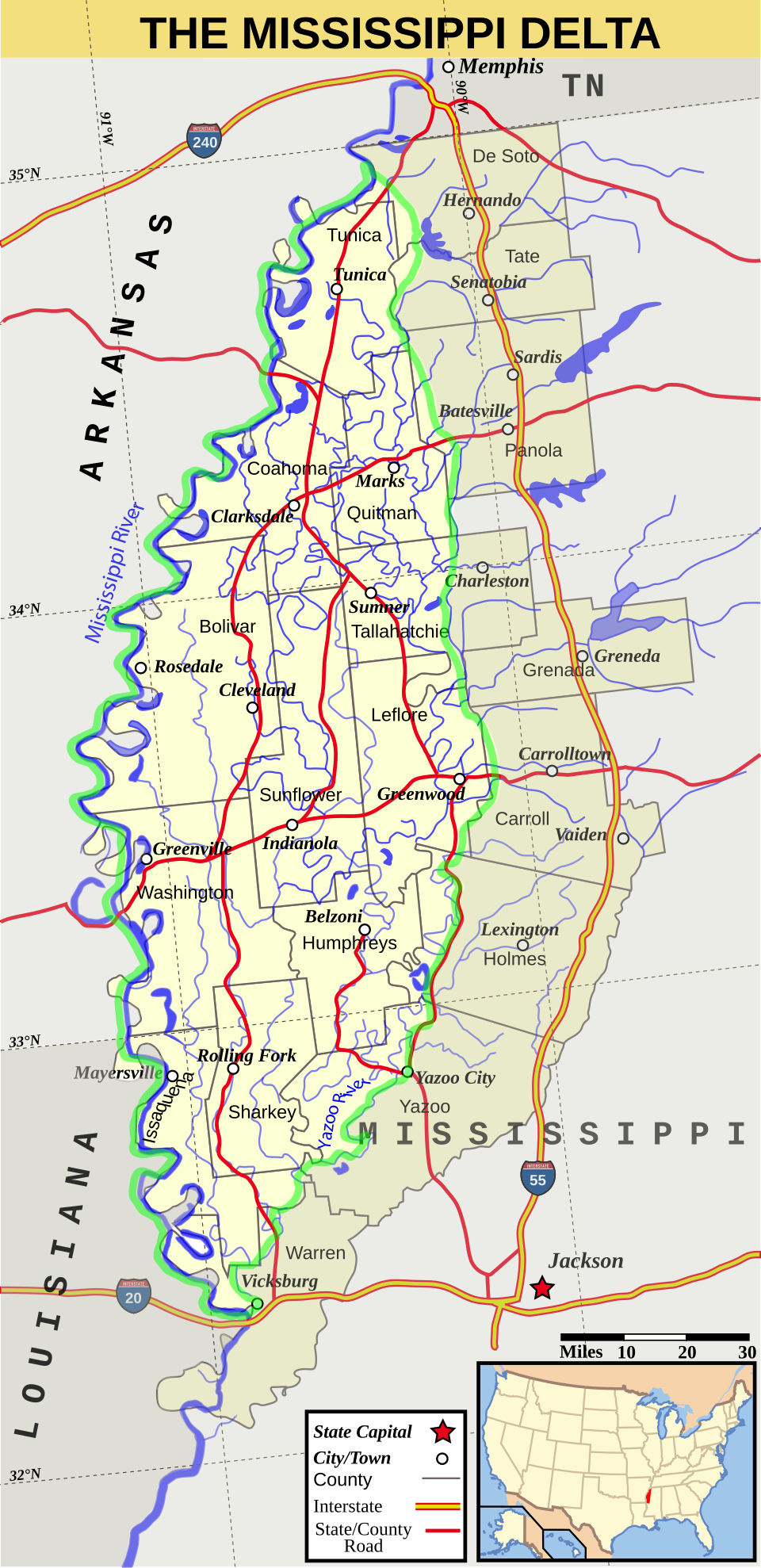
Early Country Blues was often just a singer with a guitar, born in the Mississippi Delta from a mixture of European, American and African traditions, and influenced by Country, Jazz and Spirituals.

Map of the Mississippi Delta

The Mississippi Delta

The Delta is the cradle of Country Blues. Songs of poverty and lost love were performed solo with guitar, often in a melismatic, wailing vocal style and a call-and-response relationship between voice and guitar.
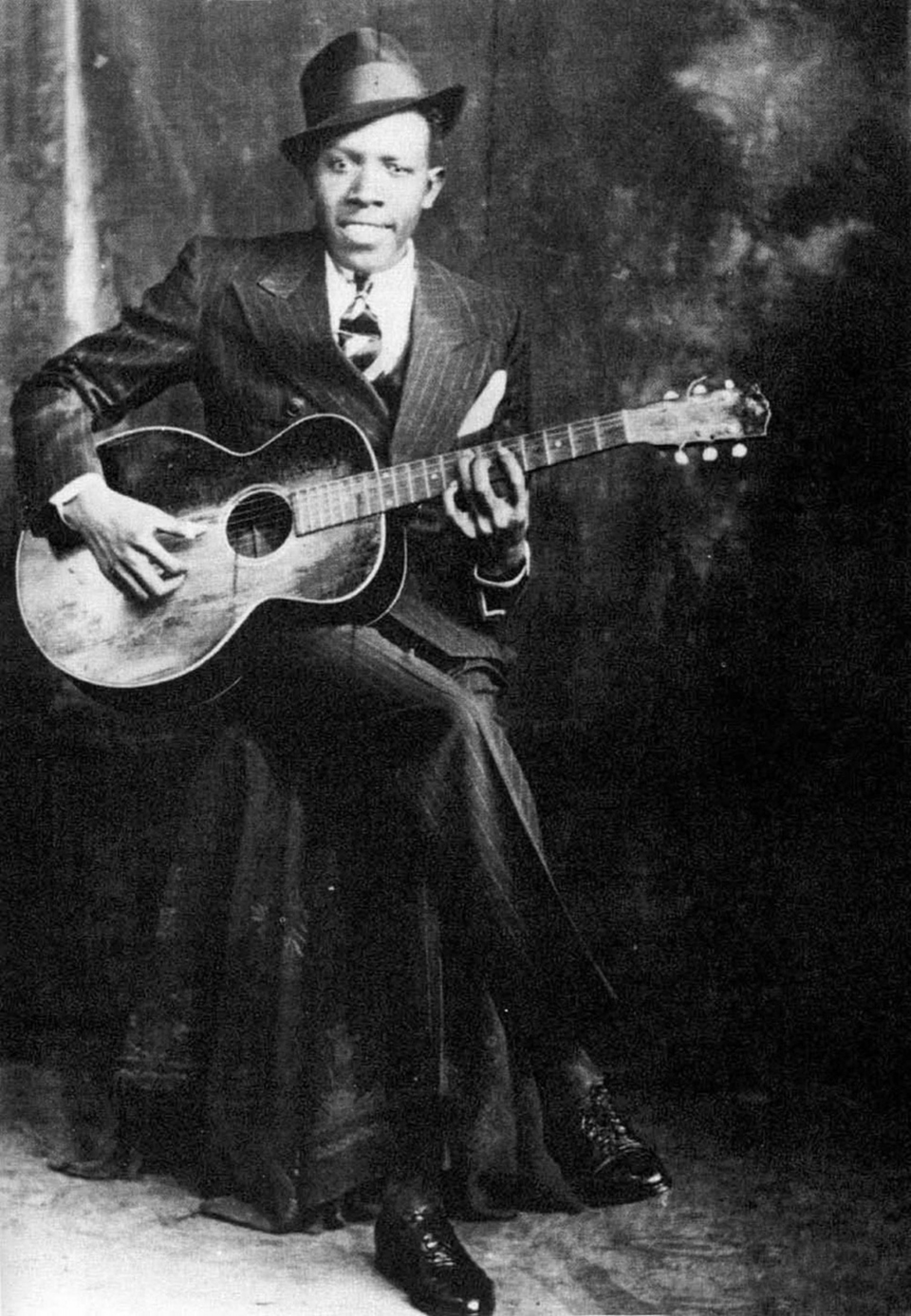
Robert Johnson

Robert Johnson (1911–1938)

Recorded just 29 songs in two sessions (San Antonio 1936, Dallas 1937) — in temporary hotel and warehouse studios, direct to disc. Cross Road Blues (1936) became a cornerstone of the style.
YouTube ↗
Alan Lomax

Alan Lomax & Field Recording

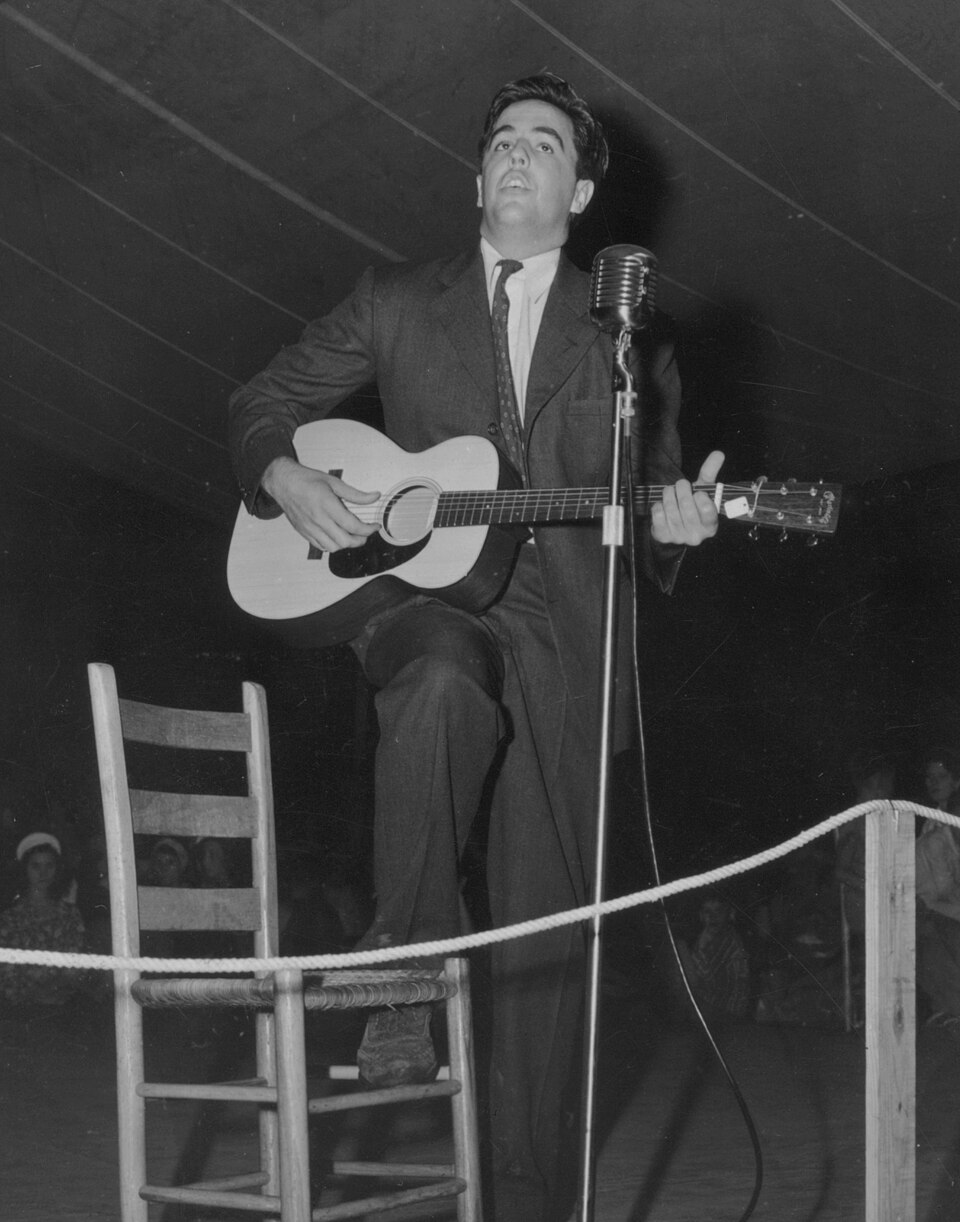
Alan Lomax recorded blues musicians for the Library of Congress on portable disc recorders. In 1941 he recorded a young Muddy Waters on Stovall Plantation, Mississippi.

💿 AO3 • Early Recording Technology

Mono Discs, Surface Noise & One Microphone
The worksheet is clear: early blues recordings are scratchy and mono, with a lot of surface noise and poor separation of instruments.

Edison wax cylinder

Acoustic Recording & Early Formats

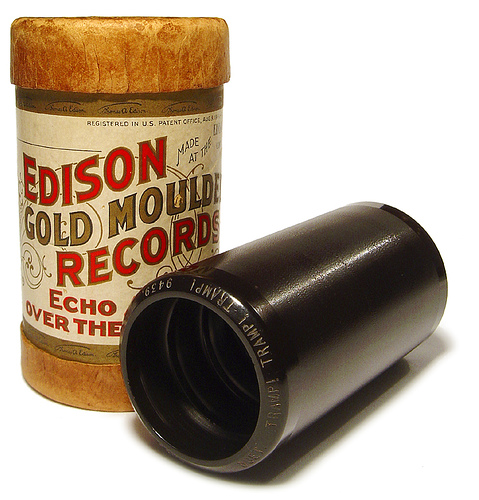
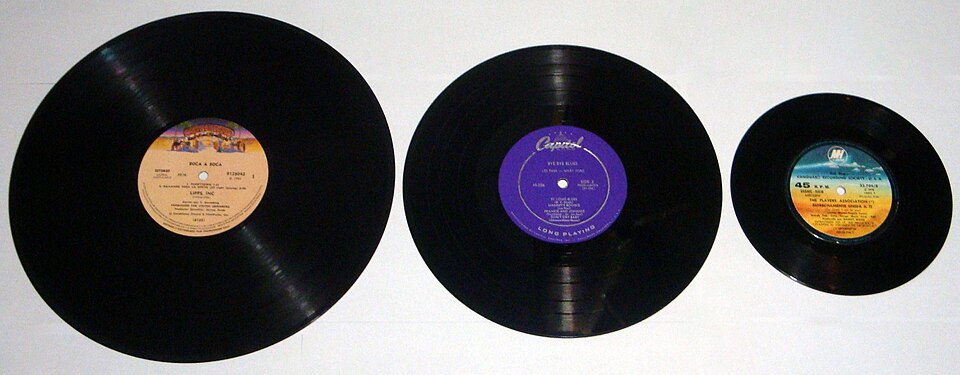
Before 1925 recordings were made acoustically: performers played into a large horn which cut the groove directly. Early formats such as the wax cylinder and the 78 rpm shellac disc had a narrow frequency range, loud surface noise and no way to adjust the balance afterwards.
Phonograph records of different sizes

One Source, Poor Separation

Musicians were gathered around a single recorder or microphone, so every sound was captured together in mono. Balance was controlled by where players stood, not by a mixing desk. From 1925 electrical recording with microphones widened the frequency range, and quality improved greatly again after 1945.

🔩 AO3 • Guitar Technique & Instruments

Slide Guitar & the Resonator

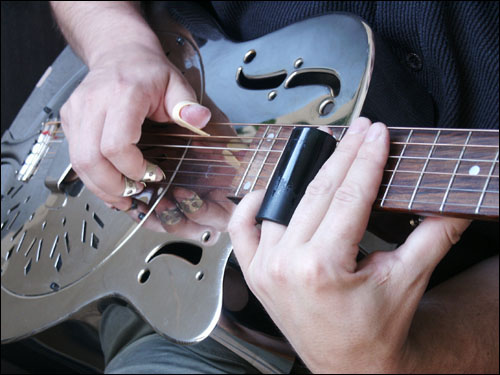
Slide (bottleneck) guitar is especially associated with Country Blues, and the resonator guitar solved the problem of volume before electric amplification existed.

Slide guitar played on a resonator

Slide / Bottleneck Guitar

A glass or metal slide worn on a finger is moved along the strings instead of fretting notes, giving a continuous, vocal-like glide between pitches. It imitates the human voice and suits the call-and-response between singer and guitar. Often played in open tunings.
Resonator guitar

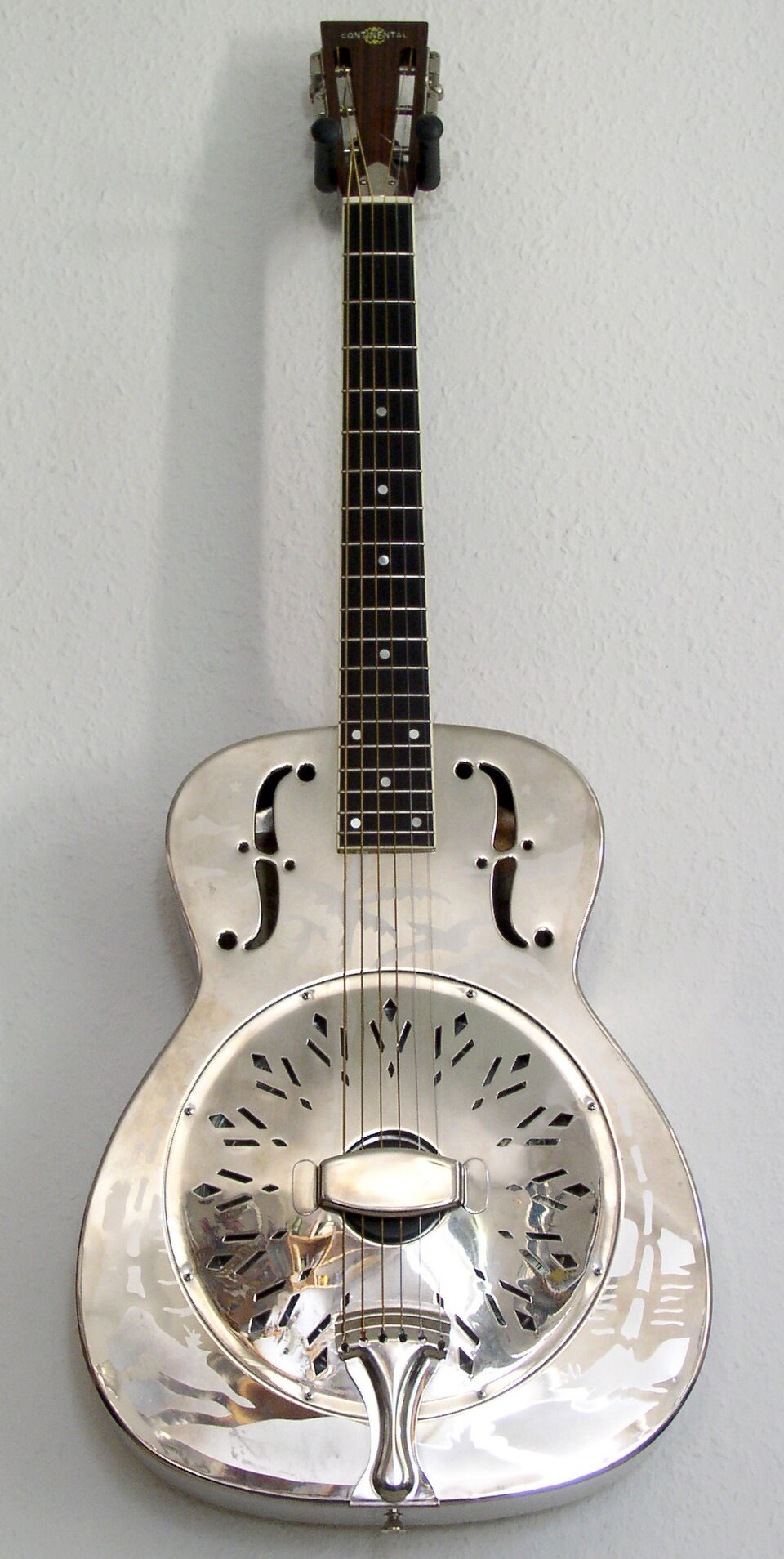
The Resonator Guitar

Developed in the late 1920s, a metal resonator cone inside the body makes the guitar much louder than a normal acoustic — useful for street and juke-joint performers, and for cutting through on a single-microphone recording. Its bright, metallic, sustained tone is a hallmark of Country Blues.

⚡ AO3 & AO4 • 1940s–1950s

Chicago Blues: The Sound Goes Electric
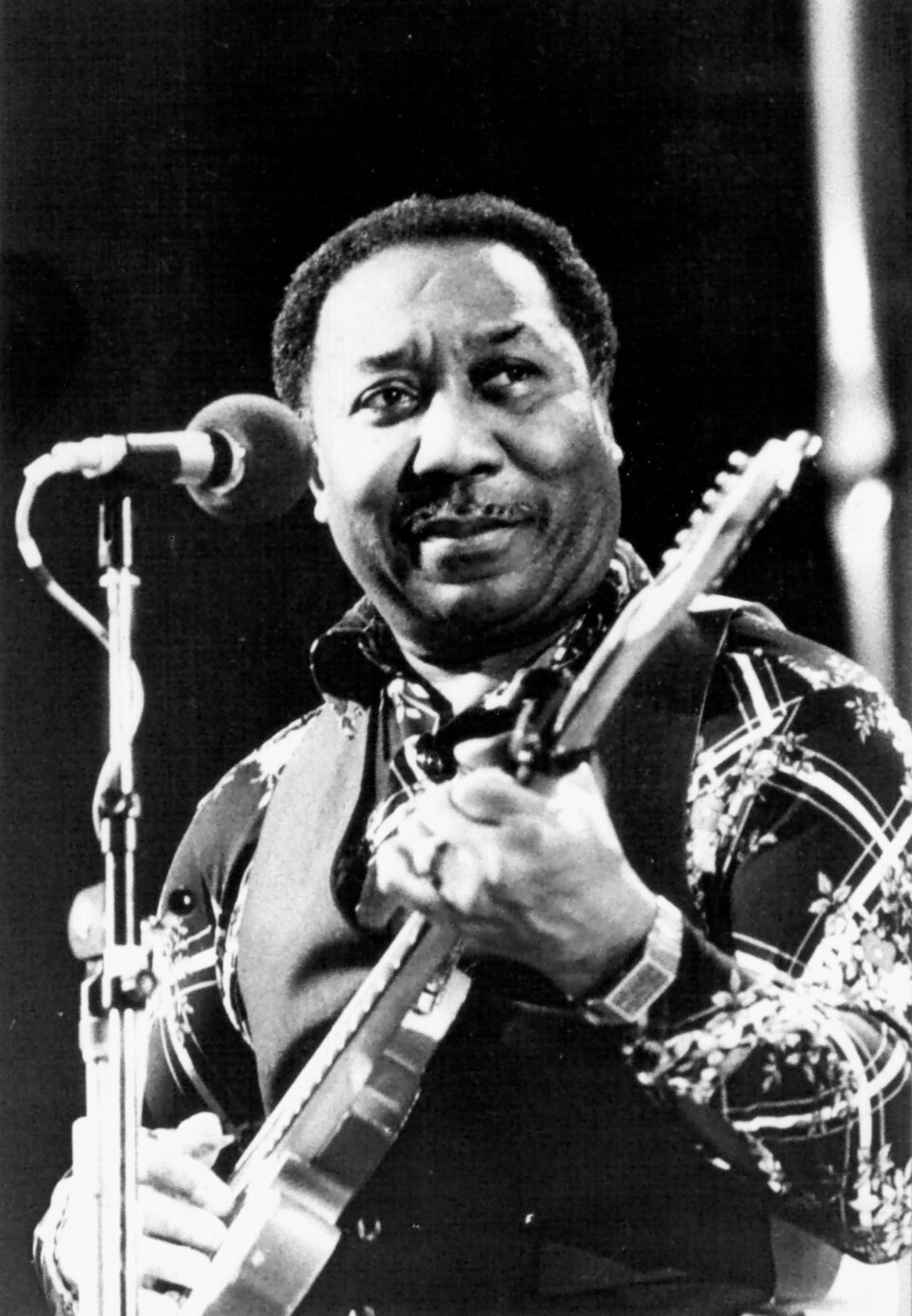
After the Great Migration, Delta musicians reached Chicago’s noisy clubs. To be heard, they plugged in — electric guitar, bass guitar, drums and amplified harmonica form the Chicago Blues band.

Muddy Waters

Muddy Waters

Moved to Chicago in 1943 and went electric in the mid-1940s. His amplified slide guitar and full band recorded for Chess Records defined the genre.
YouTube ↗
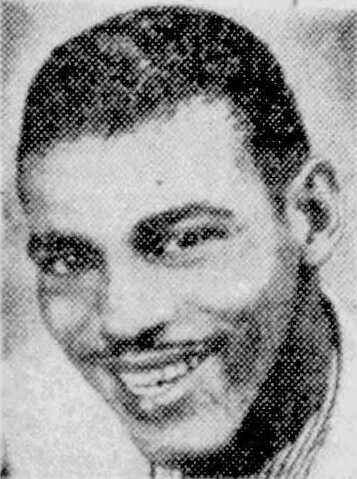
Little Walter

Little Walter & Amplified Harmonica

Played the harmonica through a hand-held microphone into a small guitar amplifier, driving it into overdrive for a thick, saxophone-like sound. Juke (1952).
YouTube ↗
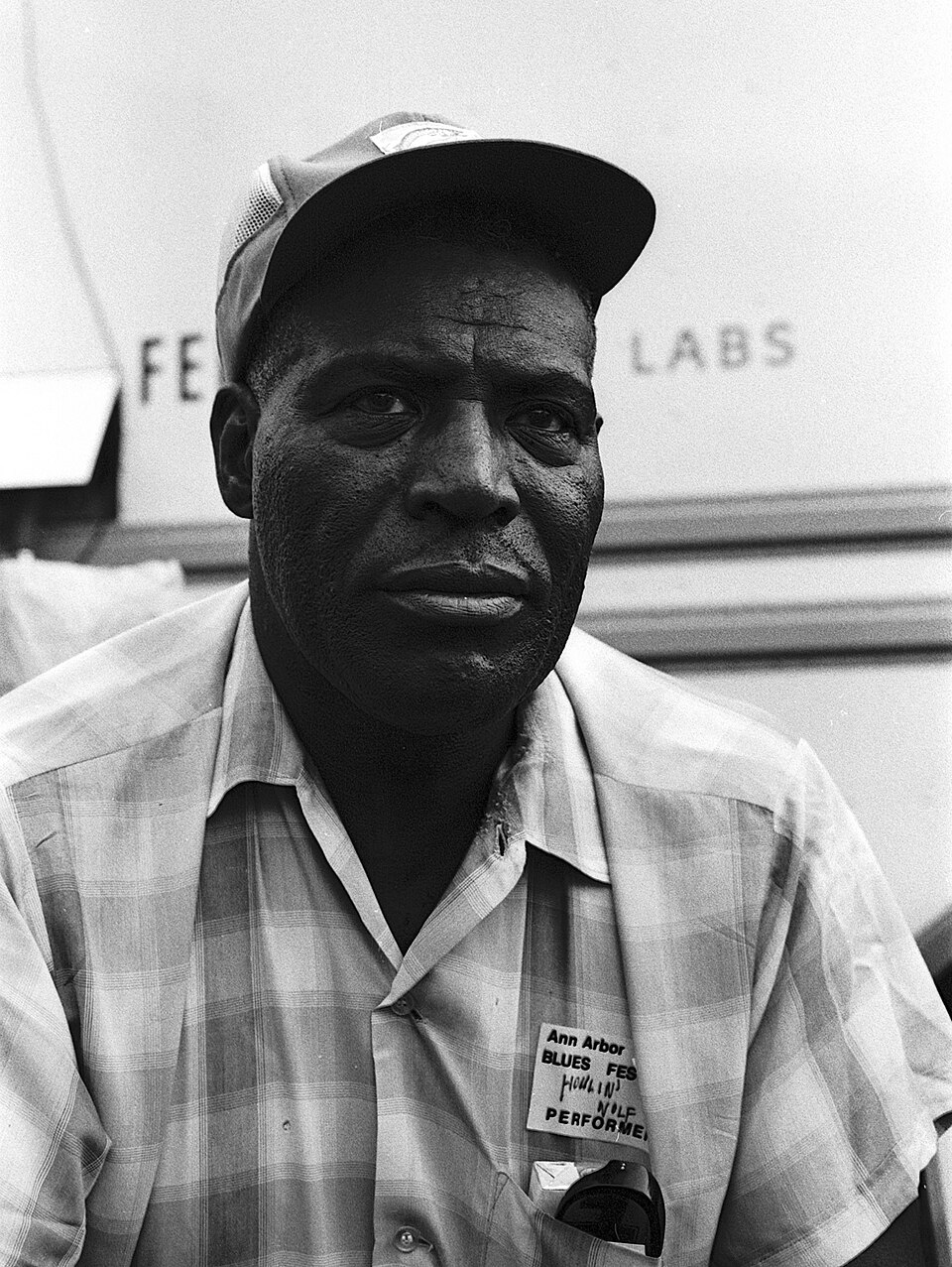
Howlin Wolf

Howlin’ Wolf

A huge voice and raw, distorted electric band sound. His first records were cut in Memphis before he moved to Chicago and Chess Records.

YouTube ↗
🏢 AO4 • The Record Label

Chess Records: Dixon, Hooker & the Studio
Chess Records, run by brothers Leonard and Phil Chess in Chicago, recorded the great electric blues artists in small rooms with strong natural ambience and carefully captured band balance.

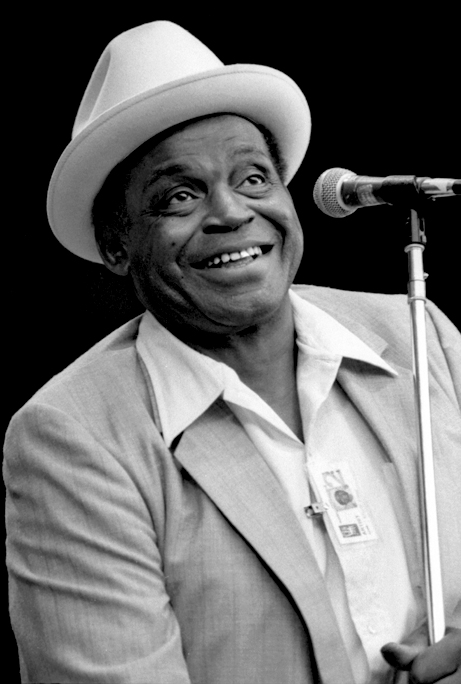
Willie Dixon

Willie Dixon

Bassist, songwriter and in-house talent scout at Chess. He wrote classics such as Hoochie Coochie Man and Spoonful for Muddy Waters and Howlin’ Wolf.
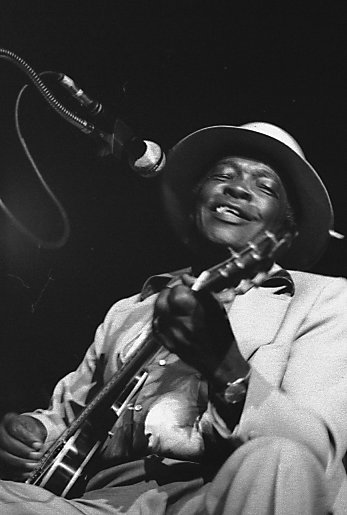
John Lee Hooker

John Lee Hooker

Based in Detroit, he played hypnotic one-chord boogie on amplified guitar, tapping his foot — showing the style was not confined to Chicago.

Chess Records Studio at 2120 S Michigan Ave

The Chess Sound

Intimate rooms, few microphones, the whole band playing together, natural room reflections and little processing apart from overdrive on the instruments themselves.

🔊 AO3 • Amplification & Distortion

Valve Amps & Natural Overdrive

The worksheet notes little use of effects apart from distortion on electric guitars from Chicago Blues onwards. That distortion came from the valve amplifier itself.

Small Fender valve combo amplifier

Small Valve Combos Pushed Hard

Small valve (tube) combo amplifiers have limited power. Turned up loud, the valves run out of headroom and begin to clip softly, adding warm harmonic distortion and compression. The small speaker cone also compresses and rounds off the sound — this is natural overdrive, not an effects pedal.
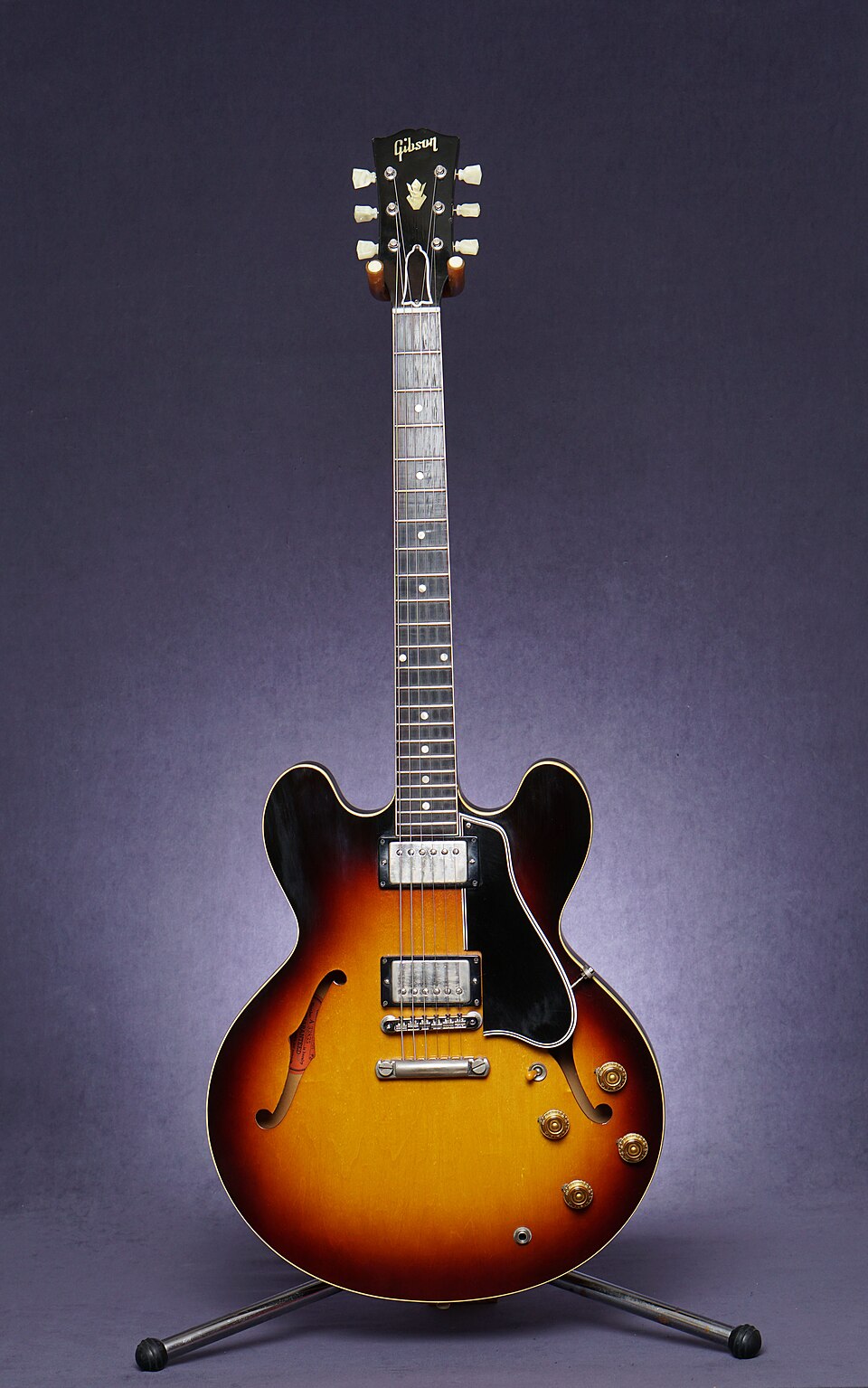
Gibson ES-335 semi-hollow guitar

The Electric Guitar

Solid and semi-hollow electric guitars, such as the Gibson ES-335 (1958), gave blues players sustain and volume with controllable feedback. Amplified guitar let the instrument take over the lead role from the voice in call-and-response.

🎹 AO3 • Featured Instruments

Harmonica, Piano & Hammond Organ

Beyond guitar, the worksheet lists harmonica and piano as featured solo instruments, with Hammond organ arriving in British Blues and Blues Rock.

Blues harmonica

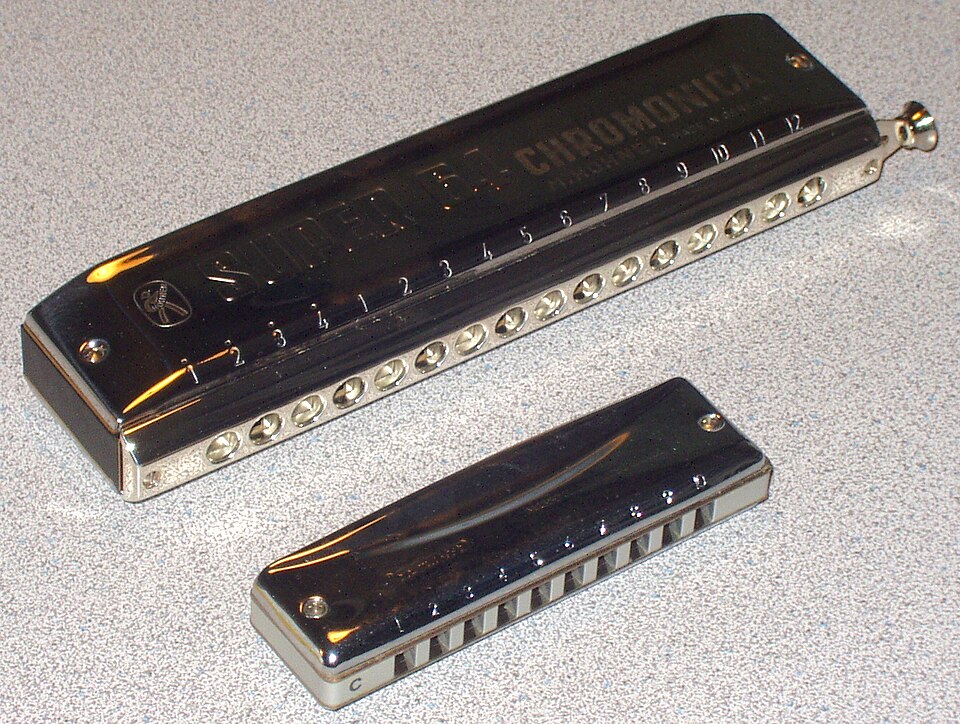
The Blues Harmonica

Played in second position (“cross harp”) to get bent, bluesy notes from the instrument. It trades phrases with the singer in call and response. Amplified through a microphone and amp it became a lead electric instrument.
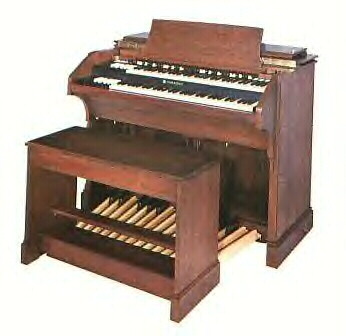
Hammond organ

Hammond Organ

The Hammond organ, often played through a rotating Leslie speaker, added sustained chords and solos in British Blues and Blues Rock. Its drawbar tones and natural valve overdrive suited the style.

🇬🇧 AO4 • Cultural Exchange

British Blues: Passed Back Across the Atlantic
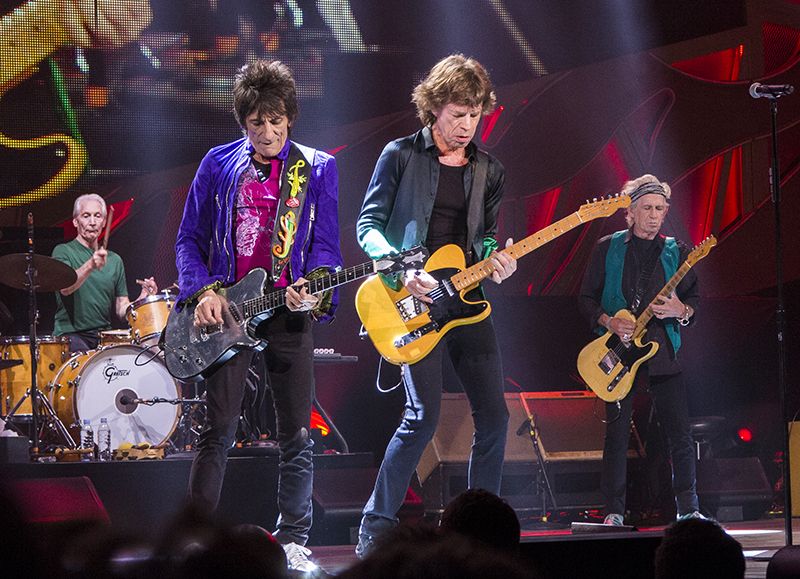
The Blues began as a mix of European, American and African styles and was passed backwards and forwards across the Atlantic. In the 1960s young British players fell in love with Chicago blues records.

The Rolling Stones

The Rolling Stones

Took their name from a Muddy Waters song and covered Chicago blues on their early records, introducing the style to a young white audience.
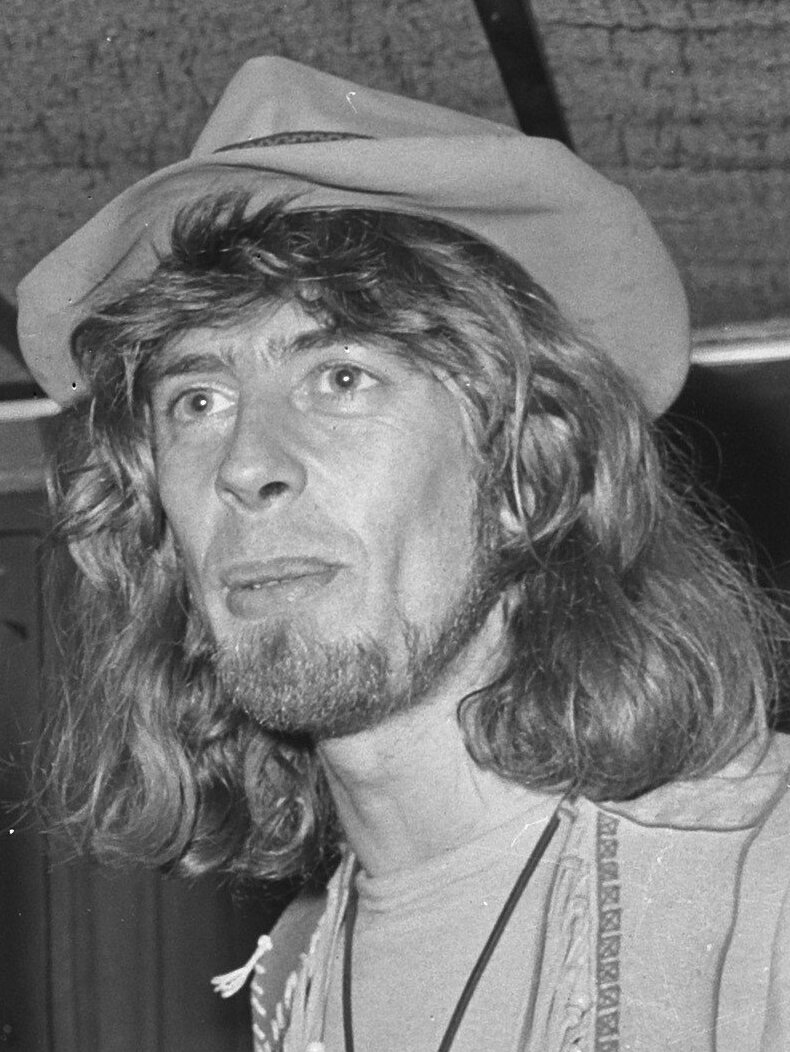
John Mayall

John Mayall’s Bluesbreakers

A training ground for British blues guitarists. Blues Breakers with Eric Clapton (1966) featured a loud, overdriven guitar sound that influenced rock.

Eric Clapton

Eric Clapton & the Yardbirds

Clapton played with the Yardbirds and Mayall, helping turn blues guitar into a virtuoso, amplified lead instrument.

🤘 AO4 • Influence on Rock

Blues Rock & the Birth of Rock and Roll
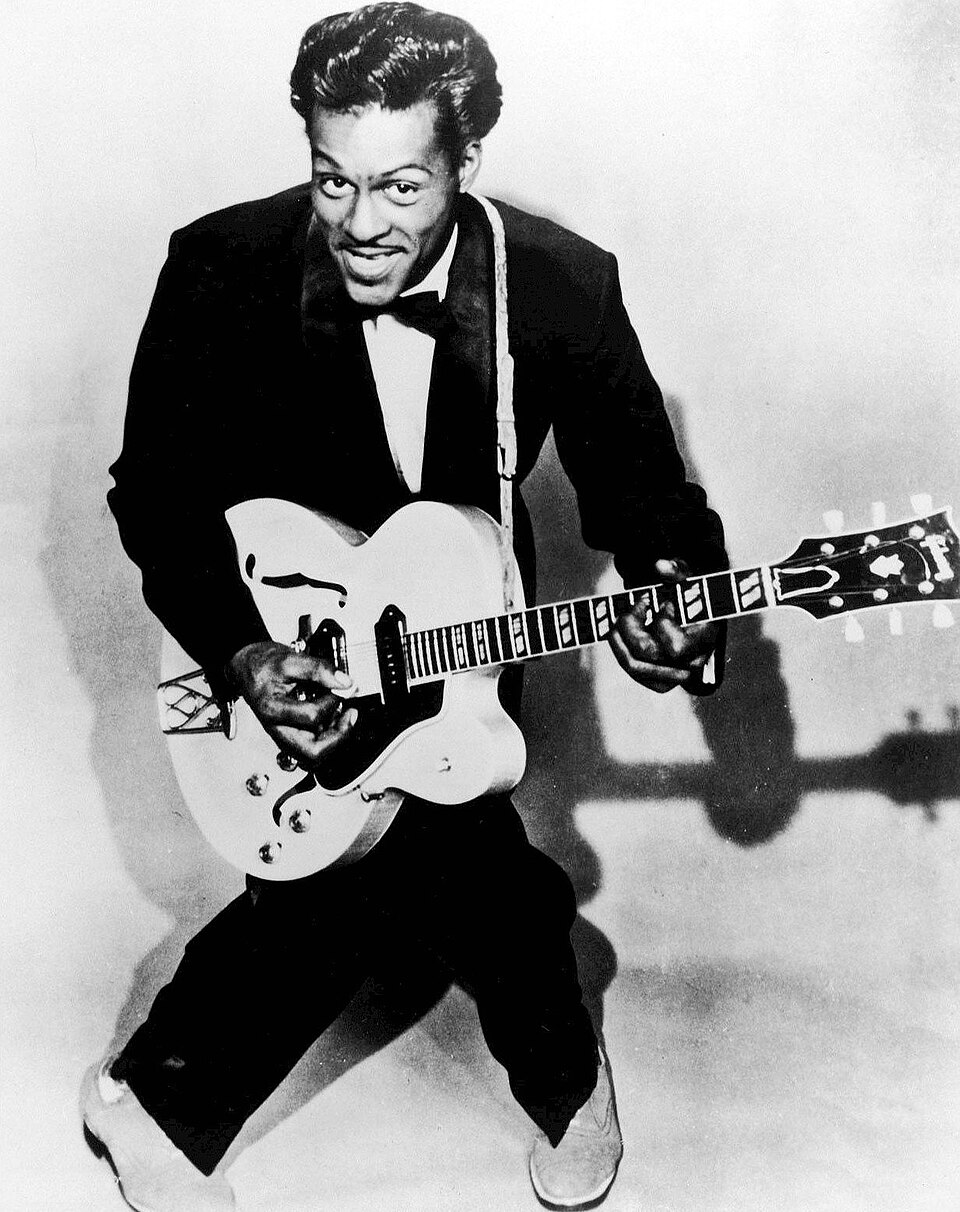
The Blues influenced Rock and Roll and most subsequent rock music, including Heavy Metal. Artists bent the style into new forms.

Chuck Berry

Chuck Berry

Signed to Chess, he sped up the 12 bar and added country influences to create early rock and roll guitar riffs.
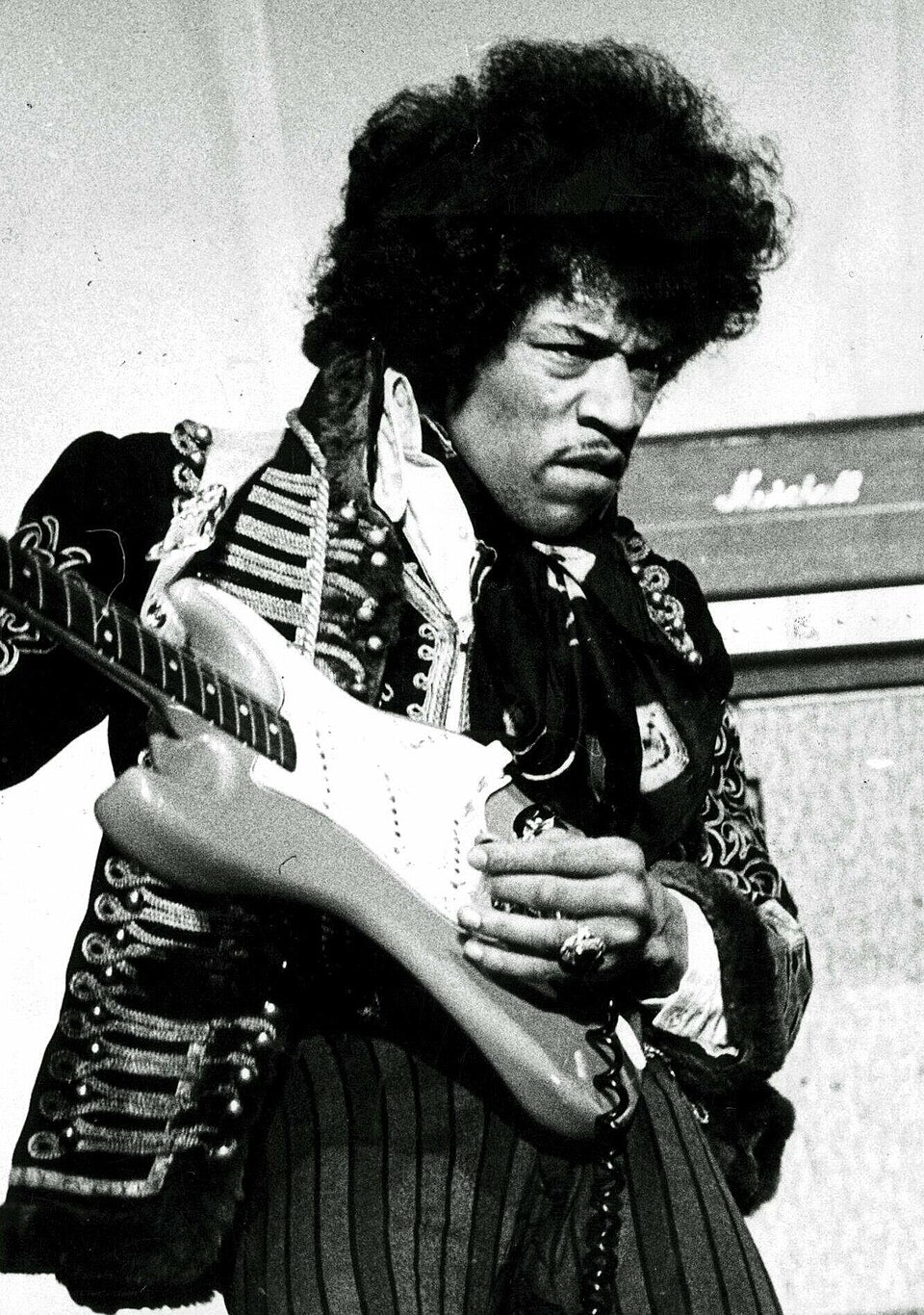
Jimi Hendrix

Jimi Hendrix

Took amplified blues guitar into psychedelic territory using loud valve amps, feedback and effects, while keeping blues scales and 12 bar forms.
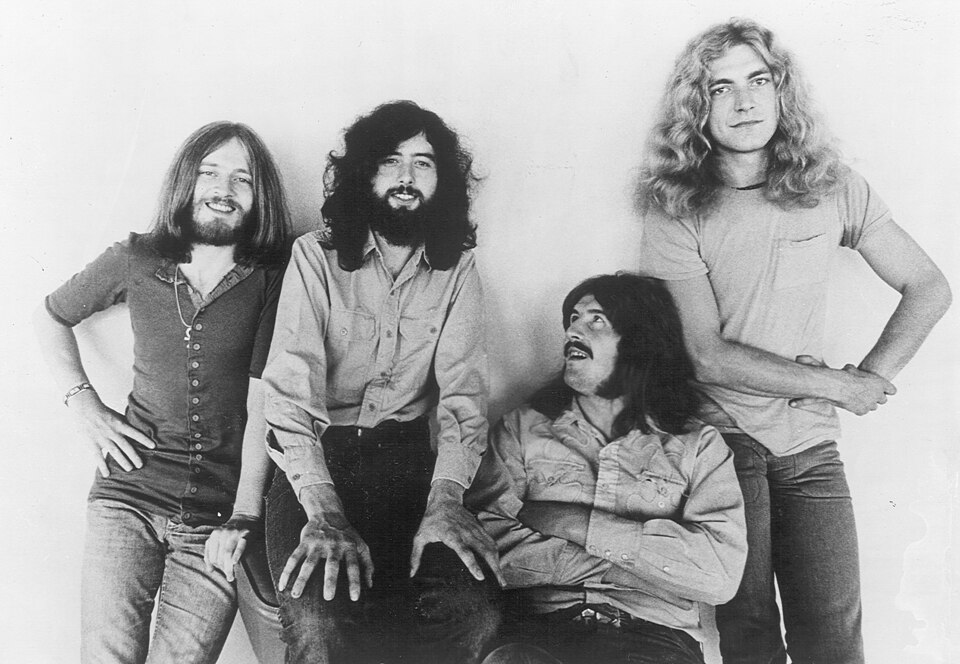
Led Zeppelin

Led Zeppelin

Built heavy rock on the blues: blues scales, riffs and call-and-response, recorded with big room ambience — a bridge to Heavy Metal.

🎧 AO3 & AO4 • The Blues Today

Sampling & Modern Echoes of the Blues

Blues filters into all kinds of popular music. The worksheet points to sampling (Moby) and singers like Amy Winehouse.

Moby

Moby: Play (1999)

Built a hit album by sampling old blues and gospel field recordings from Alan Lomax’s Library of Congress archive, set against electronic beats — turning noisy mono discs into a stylistic feature.

Amy Winehouse

Amy Winehouse

A modern singer whose jazz and blues phrasing, melismatic delivery and soulful sound show the continuing influence of the style.
Library of Congress Archive

The Archive as an Instrument

The same field recordings captured in the 1930s–40s became raw material for sampling decades later — a perfect link between early recording technology and modern production.

⚖️ Component 3 Section B Preparation

Comparison: 1930s Delta Field vs 1950s Chicago Studio

In longer comparison answers, contrast the technology and the musical result.

Feature1930s Country / Delta Blues1950s Chicago Blues (Chess)
InstrumentsSolo voice with acoustic or resonator guitar; sometimes harmonica or piano.Electric guitar, bass guitar, drums, piano and amplified harmonica — a full band.
RecordingMono disc recorders, one source, hotel-room or field setups; scratchy with surface noise and poor separation.Purpose-built studio, several mics, better quality and clearer band balance (vastly improved post-war).
Sound & effectsNatural acoustic tone; essentially no effects.Distortion from overdriven valve amps on guitar and harmonica; the only real “effect”.
Audience & purposeLocal juke joints and regional record releases.Noisy urban clubs, jukeboxes and wider R&B audiences — amplification needed.
🎯 Edexcel Component 3 Final Revision

Musical Features & Exam Quick Reference

Keep these key musical features and technology terms at your fingertips for listening questions.

Musical Features

12 bar: I I I I | IV IV I I | V IV I I.
Scale: the blues scale.
Texture: call and response.
Solos: guitar, harmonica, piano.
Lyrics: poverty, lost love.
Voice: emotive, melismatic.

Technology Features

Early: mono, scratchy, one source.
1940s/50s: electric instruments (Chicago).
Post-1945: vastly better quality.
Effects: mainly guitar distortion.
Later: Hammond organ (British/Blues Rock).

Key Artists

Country: Robert Johnson.
Chicago: Muddy Waters, B.B. King.
British: Yardbirds, Rolling Stones.
Influence: Rock and Roll, Metal, Jazz, R&B, Soul, Moby, Amy Winehouse.

Test Your Knowledge: Take the 12-Question Specification Quiz →