Component 3 Syllabus Matrix for 1968–1995
 AO3 Recording Technology
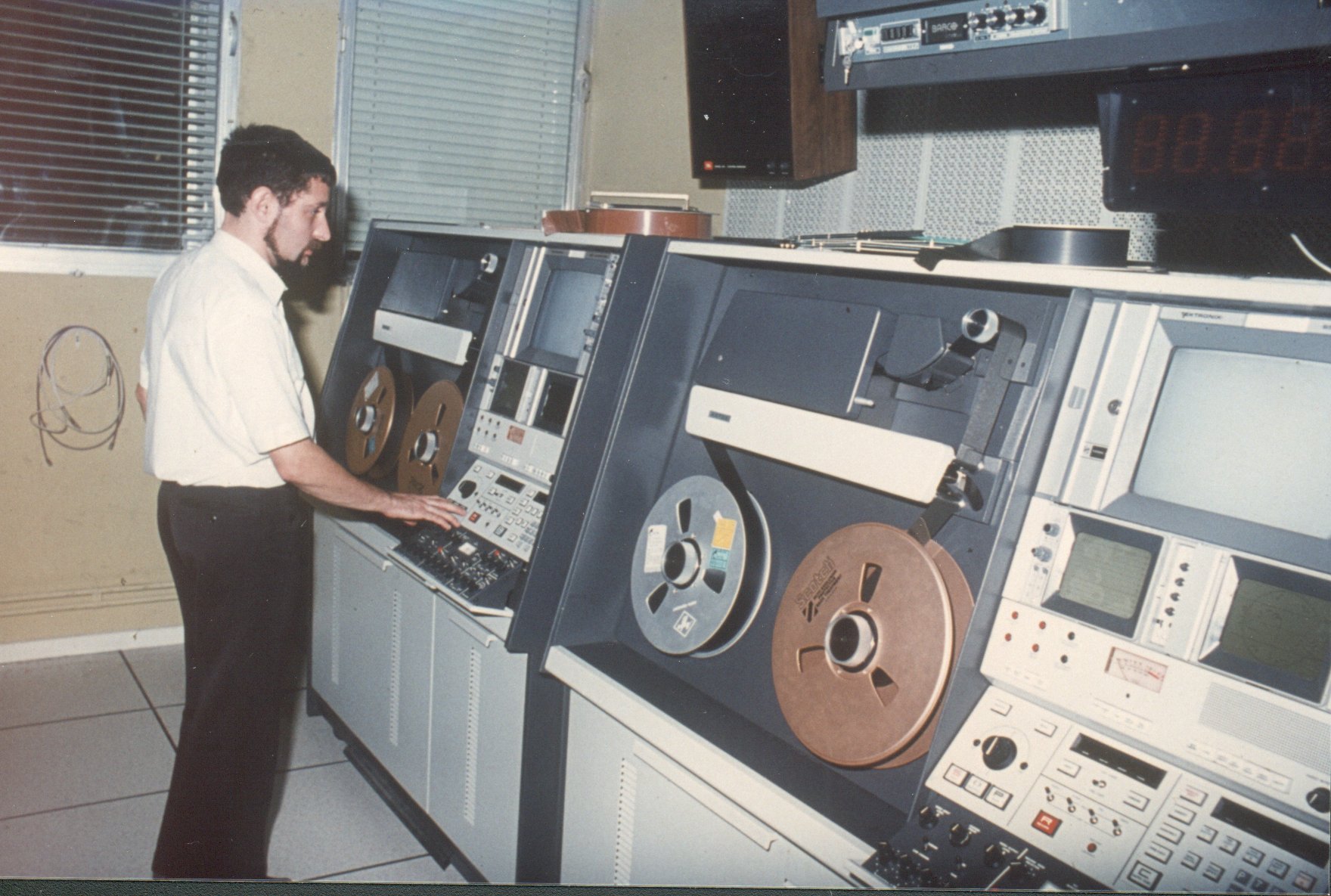
24-Track 2-Inch Tape
2-inch magnetic tape at 15/30 ips; Studer A800 and Otari MTR-90; SMPTE timecode tape synchronisation (48 tracks); AC bias calibration; tape compression saturation.
 AO3 Mixing Architecture
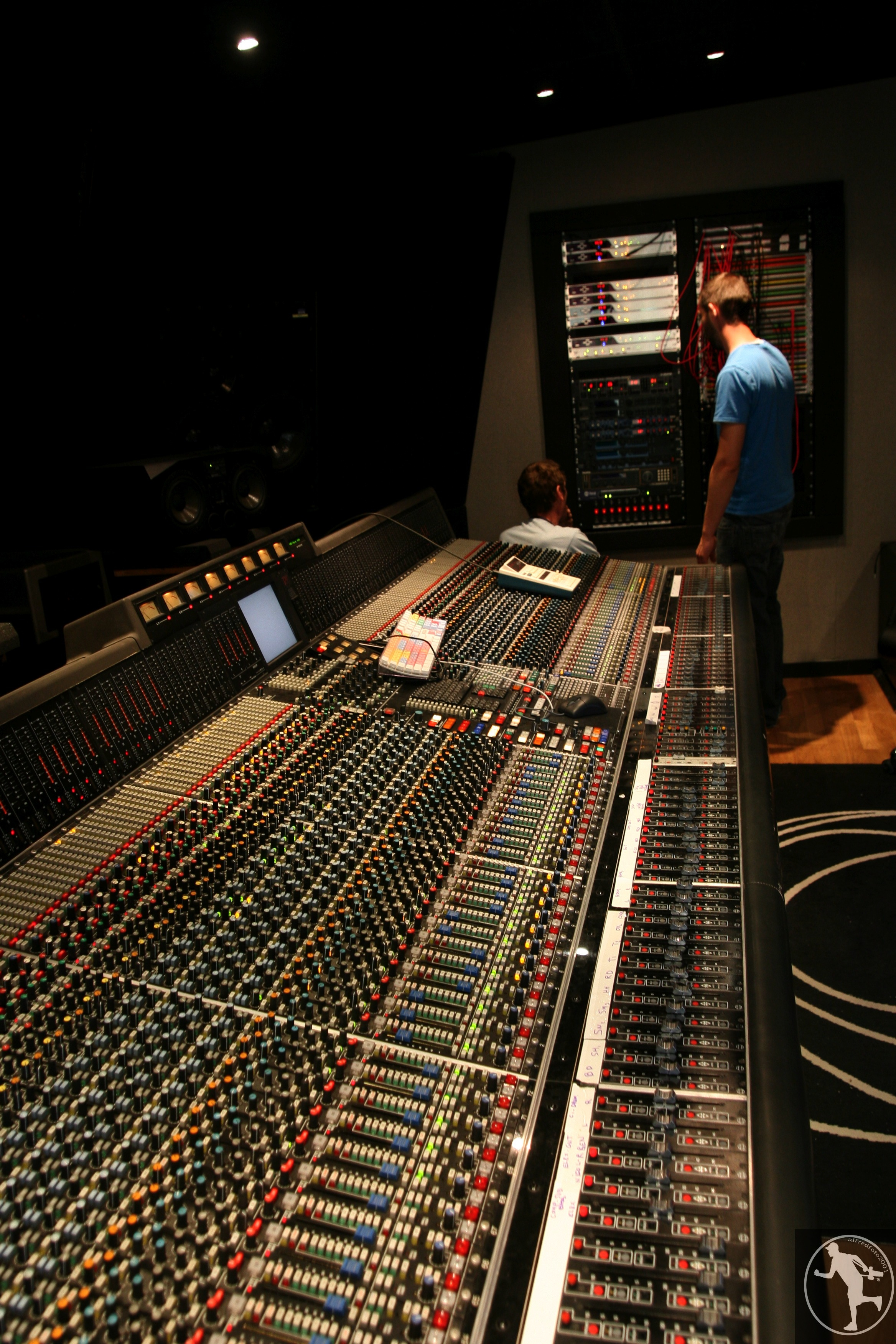
Large-Format In-Line Desks
Solid State Logic SL4000 E/G and Neve 8078; dual channel/monitor paths per strip; 4-band parametric EQ; integrated channel dynamics; VCA automation; Total Recall.
 AO3 Outboard & Synthesis
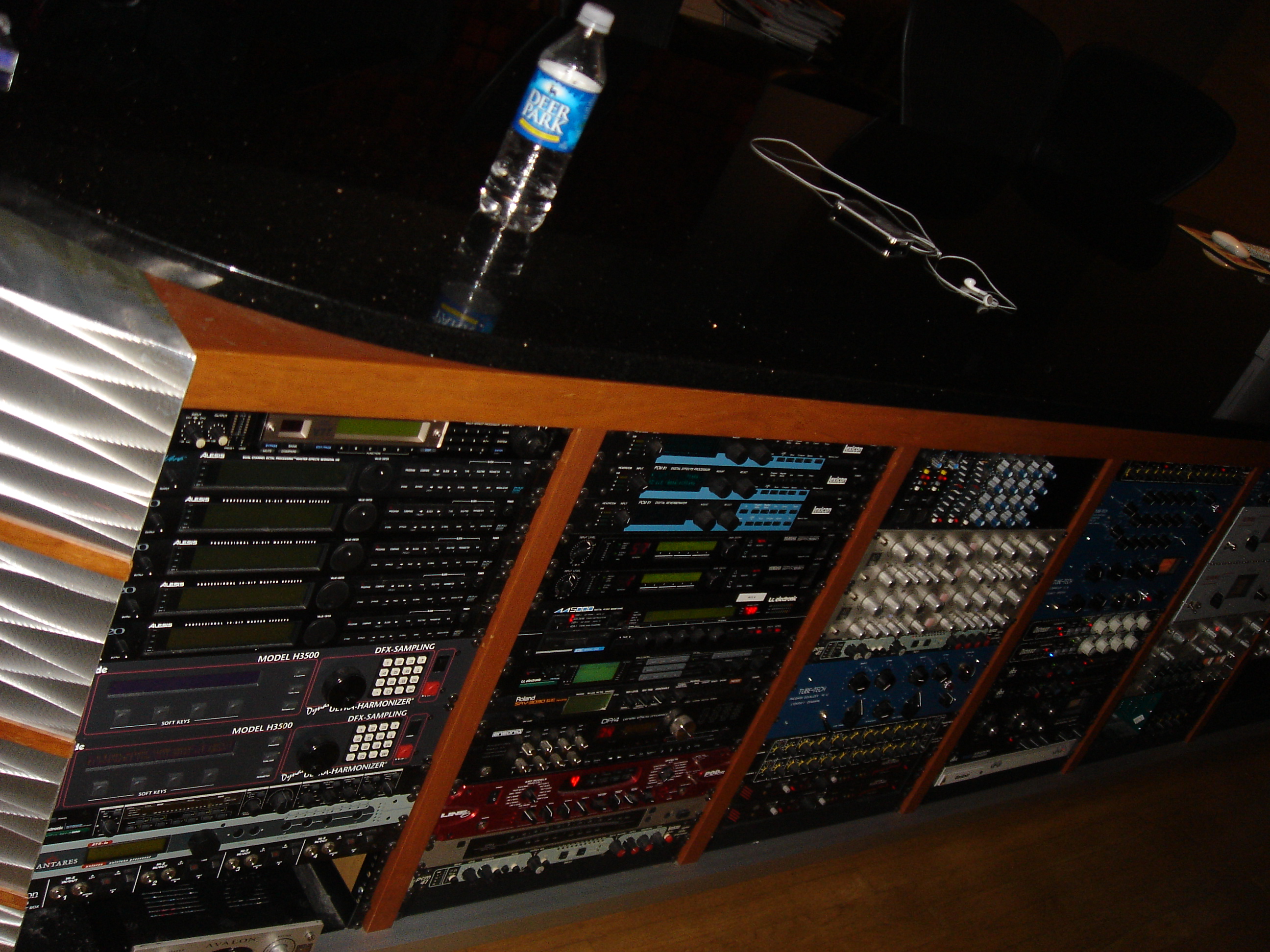
Dynamics, Synths & Digital FX
UREI 1176 FET fast limiting, dbx 160 VCA compressor, Dolby A/SR noise reduction, Minimoog bass, Prophet-5 polyphonic synth, and Lexicon digital reverbs.
Hard Rock & Heavy Metal (Led Zeppelin, Sabbath, Deep Purple)
 AO4 Rock Production
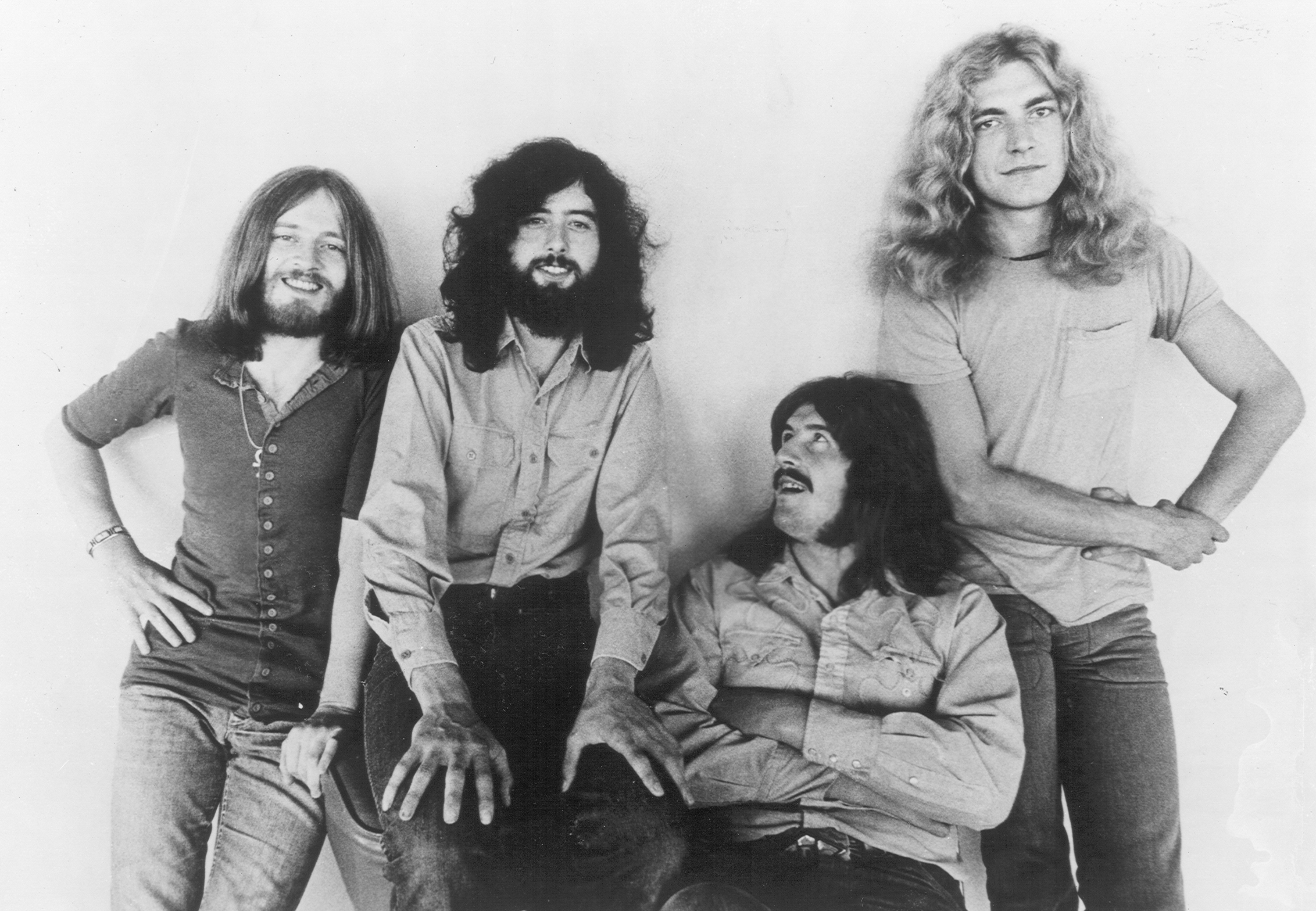
Led Zeppelin & Room Acoustics
Jimmy Page and Andy Johns captured John Bonham's iconic drum sound in Headley Grange stone stairwells using a stereo pair of Beyer M160 ribbon mics compressed via Helios consoles.
 AO4 Heavy Metal Pioneers
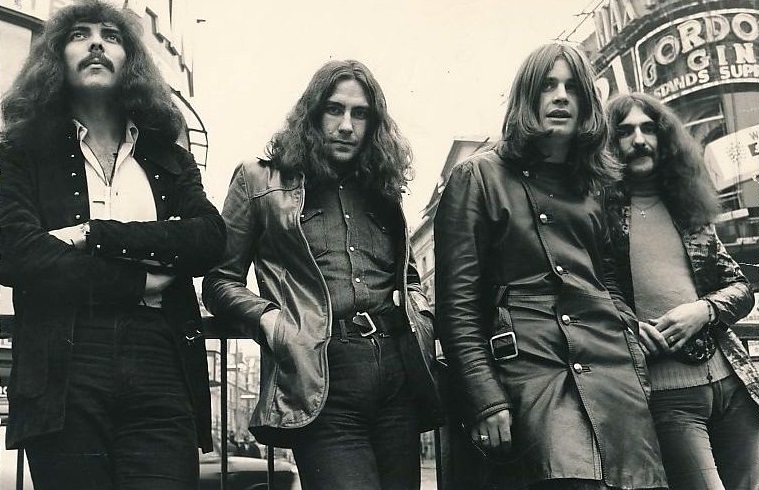
Black Sabbath & Down-Tuning
Tony Iommi down-tuned his Gibson SG with custom light-gauge strings into Dallas Rangemaster treble boosters and Laney Supergroup valve heads, tracked live to 8-track tape.
 AO4 Valve Keyboard Drive
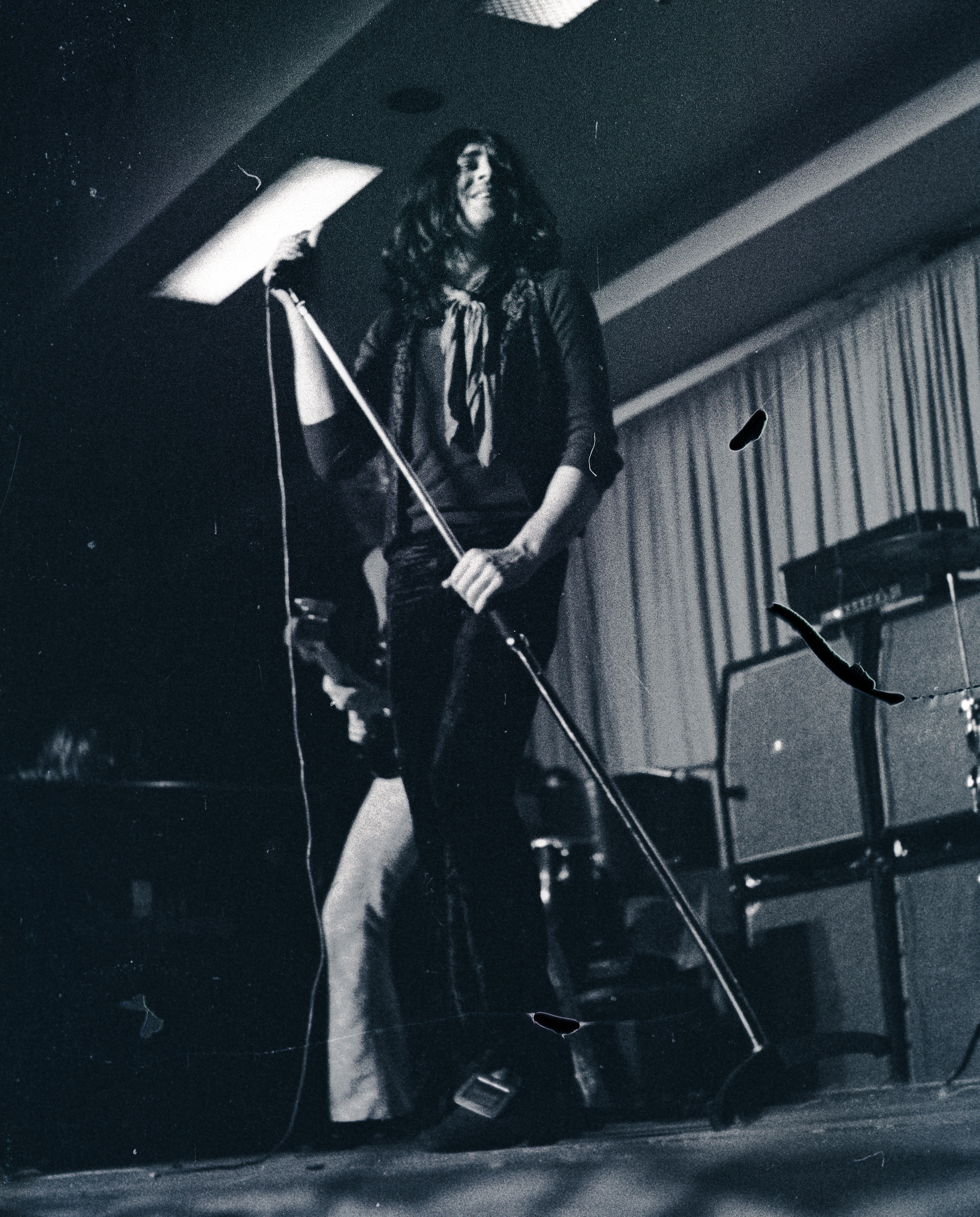
Deep Purple & Distorted Organ
Jon Lord routed his Hammond C3 organ directly into overdriven Marshall valve stacks rather than clean Leslie cabinets, pioneering heavy rock organ crunch on Machine Head.
Disco & Funk (Chic, Earth Wind & Fire, Donna Summer)
 AO4 Funk Rhythm Guitar
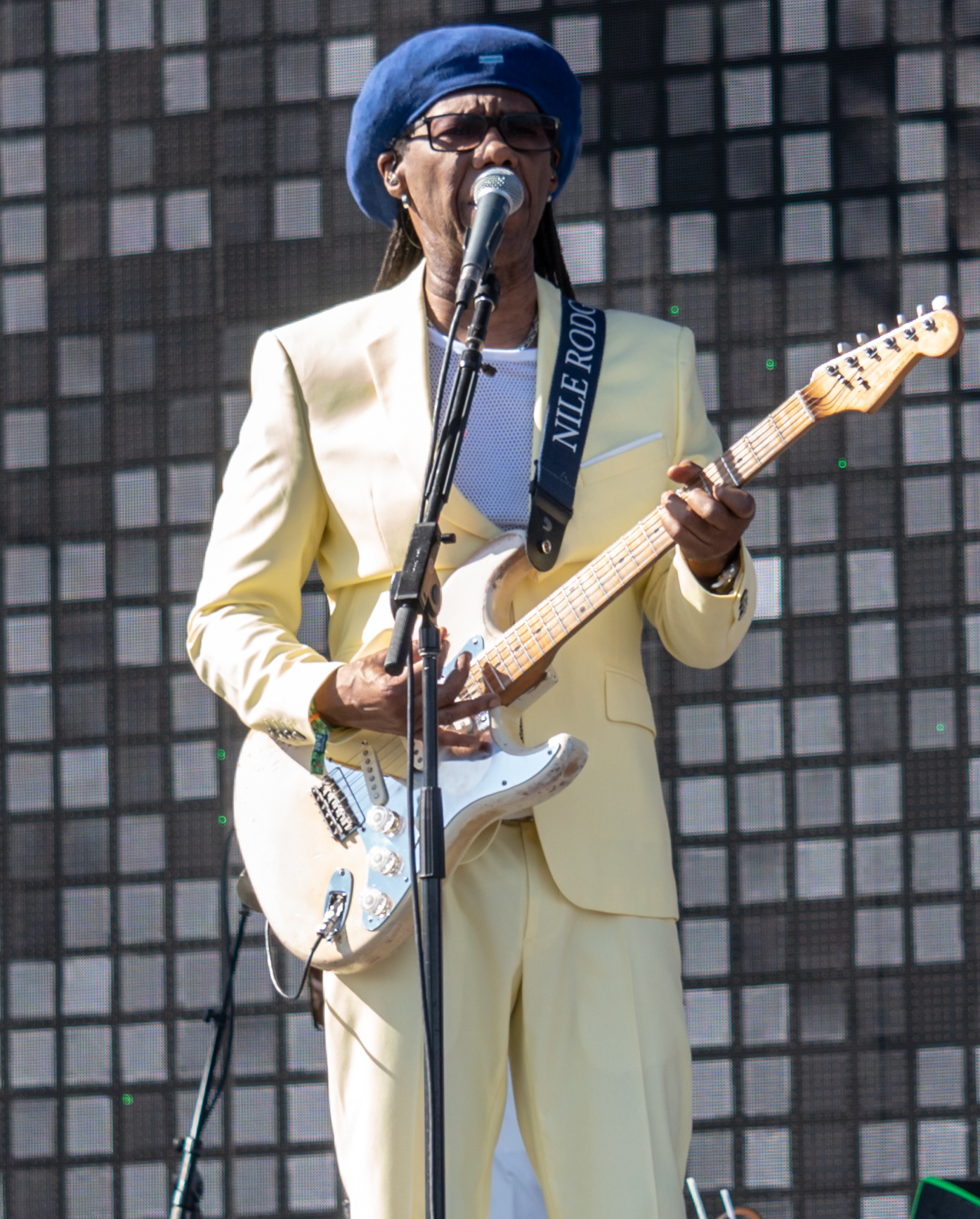
Nile Rodgers & "Chucking"
Clean Stratocaster single-coil rhythm guitar recorded direct injection (DI) into the Neve console with heavy optical/FET compression, creating razor-sharp percussive 16th-note grooves.
 AO4 Brass & Percussion
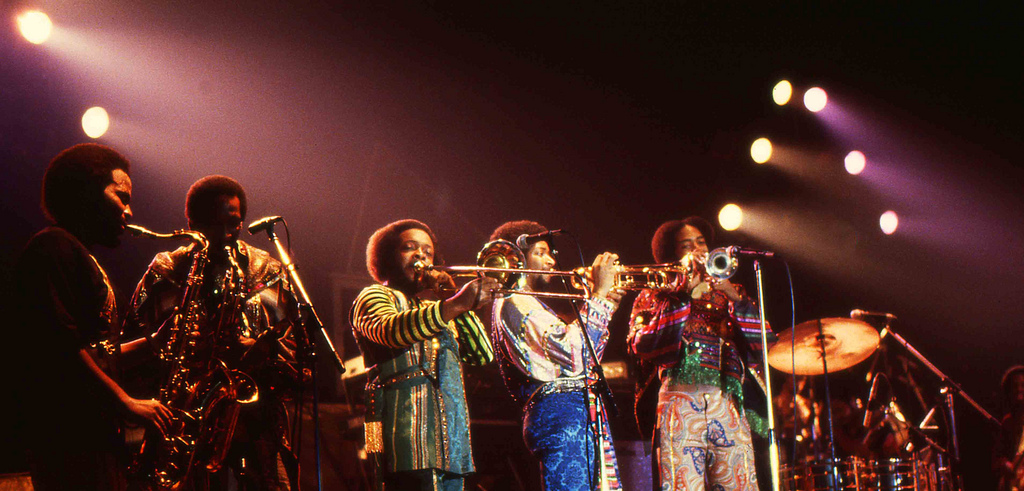
Earth, Wind & Fire Horns
Phenix Horns tracked with Neumann U87 condenser mics, double-tracked across discrete tape channels, and layered with Kalimba thumb piano and syncopated slap bass.
 AO4 Electronic Disco
Moroder & "I Feel Love" (1977)
Giorgio Moroder synthesized an entire backing track using a modular Moog 3P synthesizer driven by a click track, pioneering pure electronic disco on 24-track tape.
Punk & New Wave (Sex Pistols, The Clash, Blondie)
 AO4 Punk Production
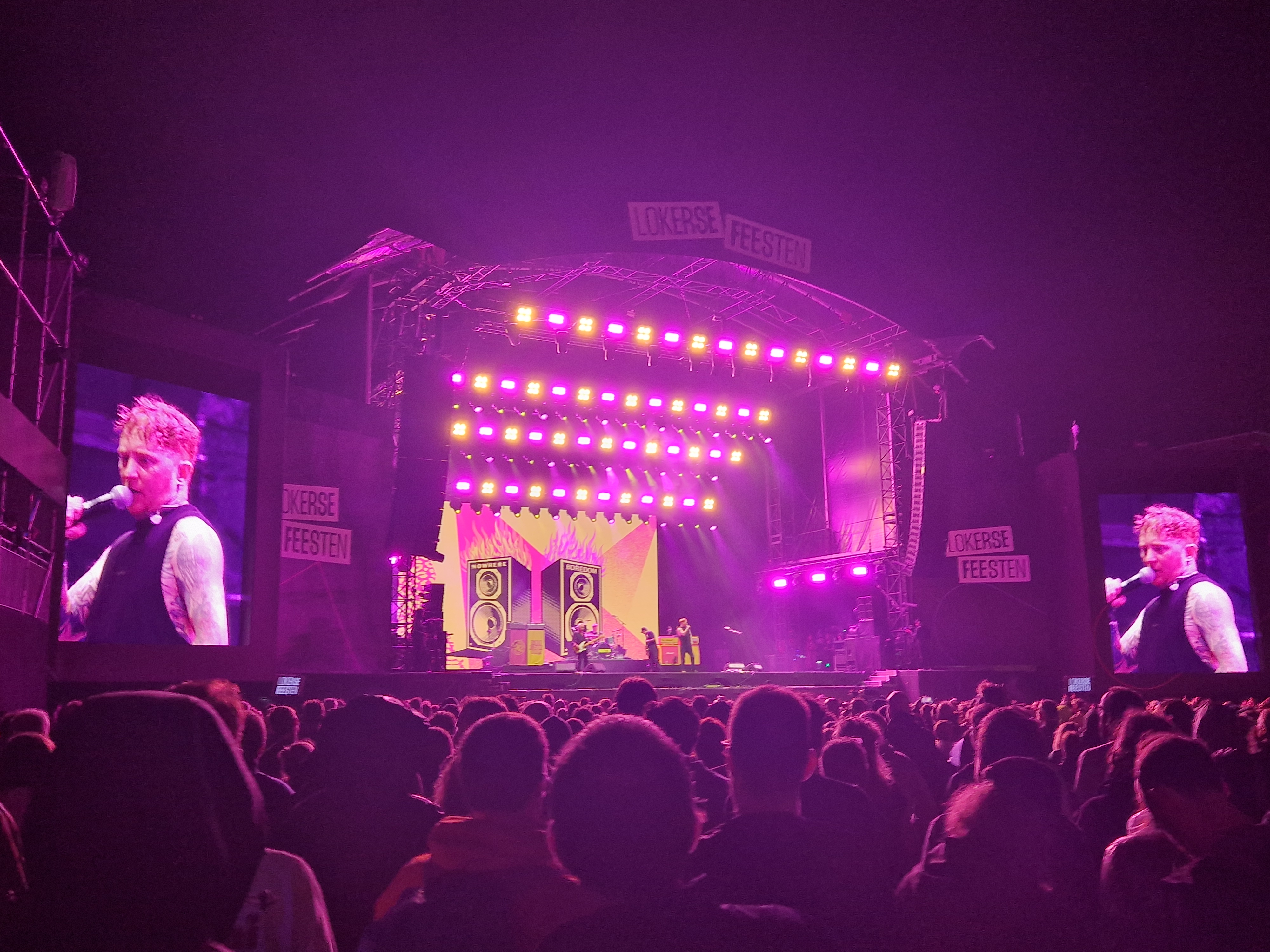
Sex Pistols: The Wall of Sound
Producer Chris Thomas layered up to 15 tracks of Steve Jones's Gibson Les Paul through a Fender Twin Reverb on Never Mind the Bollocks, achieving massive distorted clarity.
 AO4 Eclectic Punk
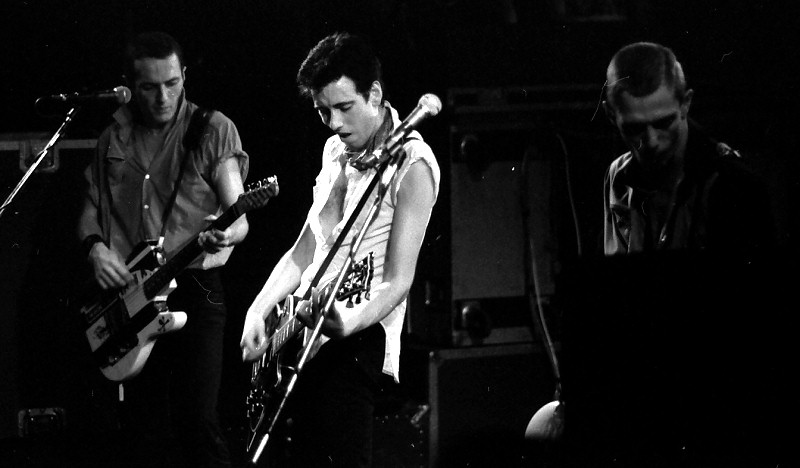
The Clash: Dub & Reggae Fusion
Incorporated Jamaican dub echo, spring reverbs, slapback tape delays, and driving funk basslines on London Calling, expanding punk beyond three-chord simplicity.
 AO4 New Wave Crossover
Blondie & Mike Chapman
Producer Mike Chapman enforced metronomic click-track discipline, tight gated snares, Roland synthesizers, and disco-rock crossover production on "Heart of Glass".
The 2-Inch Multitrack: Studer A800 & Otari MTR-90
 AO3 Studio Flagship
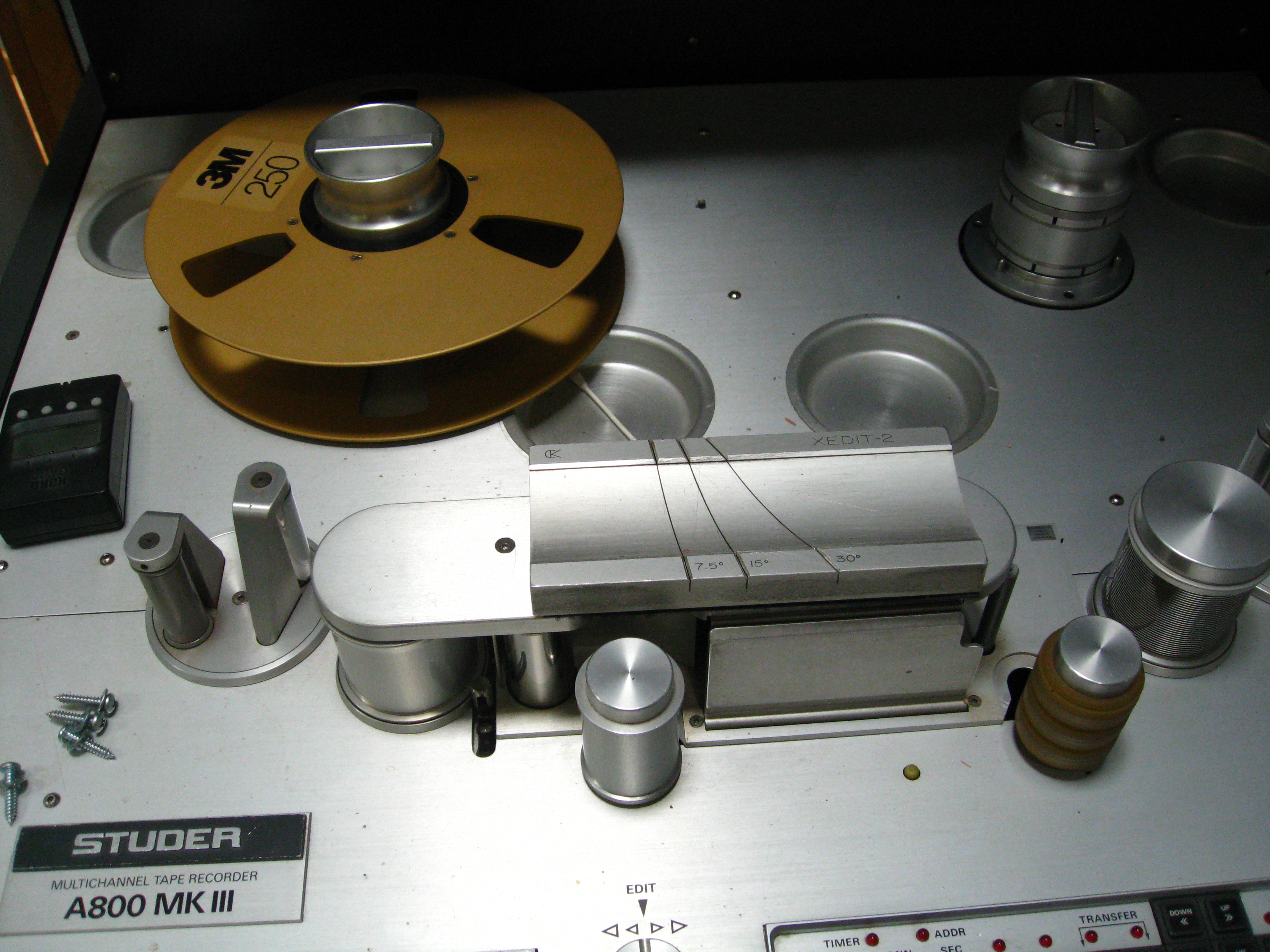
The Studer A800 (1978)
Microprocessor-controlled tape transport, 2-inch tape width, 24 independent channel audio cards, and silent punch-in/out transitions made the A800 the gold standard in top studios.
 AO3 Head Gap Physics
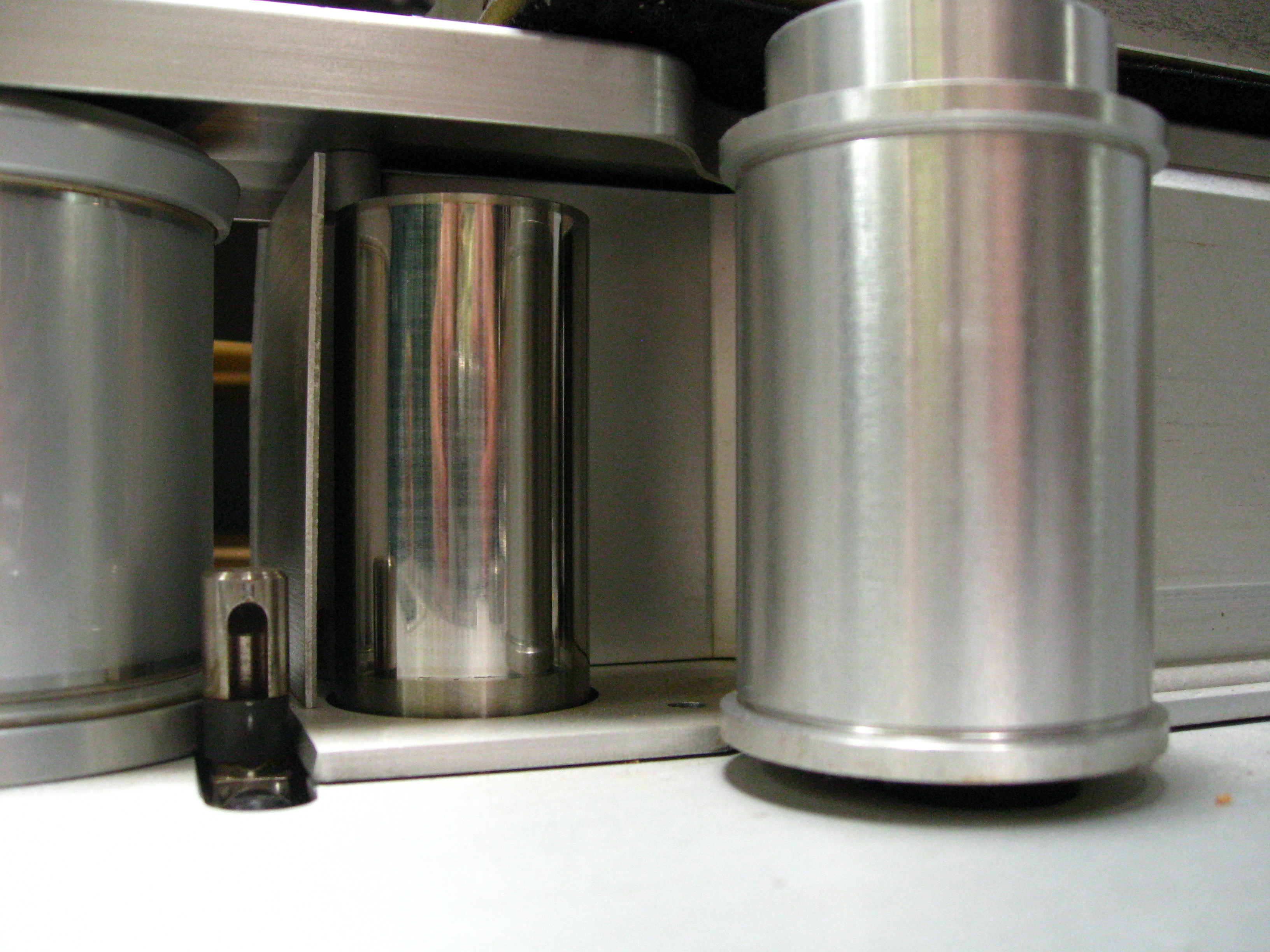
24-Track Head Stack
Contains 24 micro-engineered electromagnetic gaps stacked vertically across the 2-inch tape. Narrow track width (0.043 in) reduced crosstalk but increased tape hiss, necessitating noise reduction.
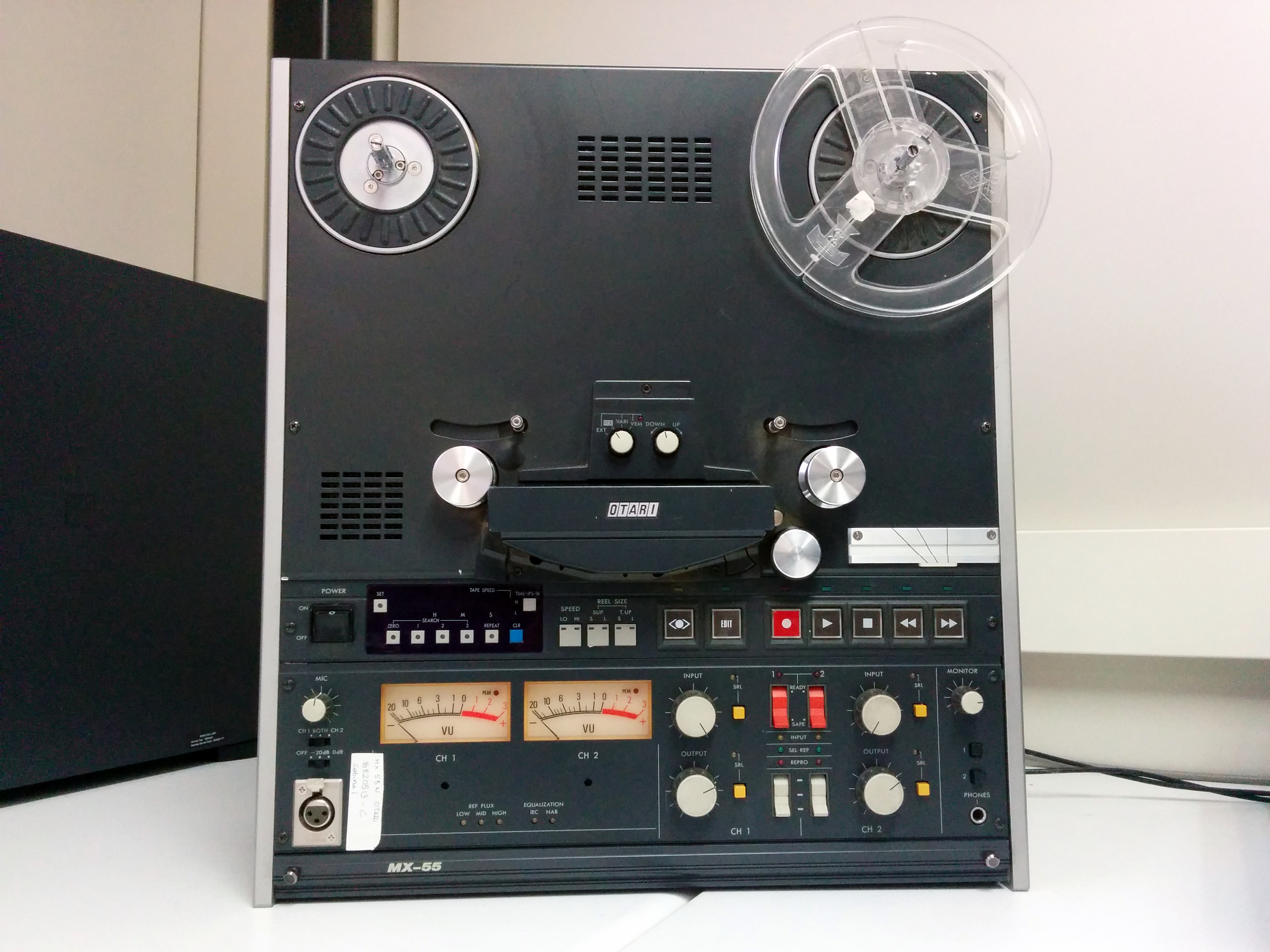 AO3 Tape Transport
Otari MTR-90 & Ampex MM1200
Heavy-duty pinch-roller-less capstan transports delivered ultra-stable flutter-free tape travel at 30 ips, extending high-frequency response up to 24 kHz with lower low-frequency head bump.
High-Frequency Bias, Tape Saturation & MRL Calibration
 AO3 Tape Physics
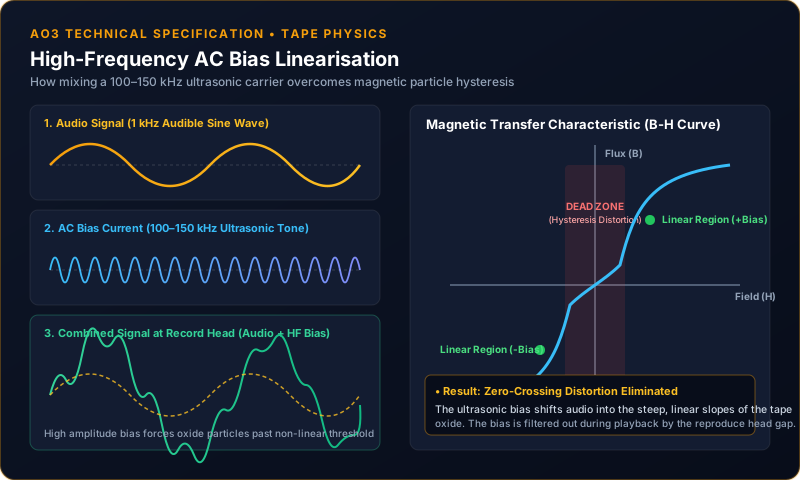
High-Frequency AC Bias
Magnetic tape particles (ferric oxide / cobalt) are non-linear at low magnetic fields. Mixing an inaudible 100–150 kHz AC bias sine wave with audio linearizes magnetic response, eliminating distortion.
 AO3 Harmonic Saturation
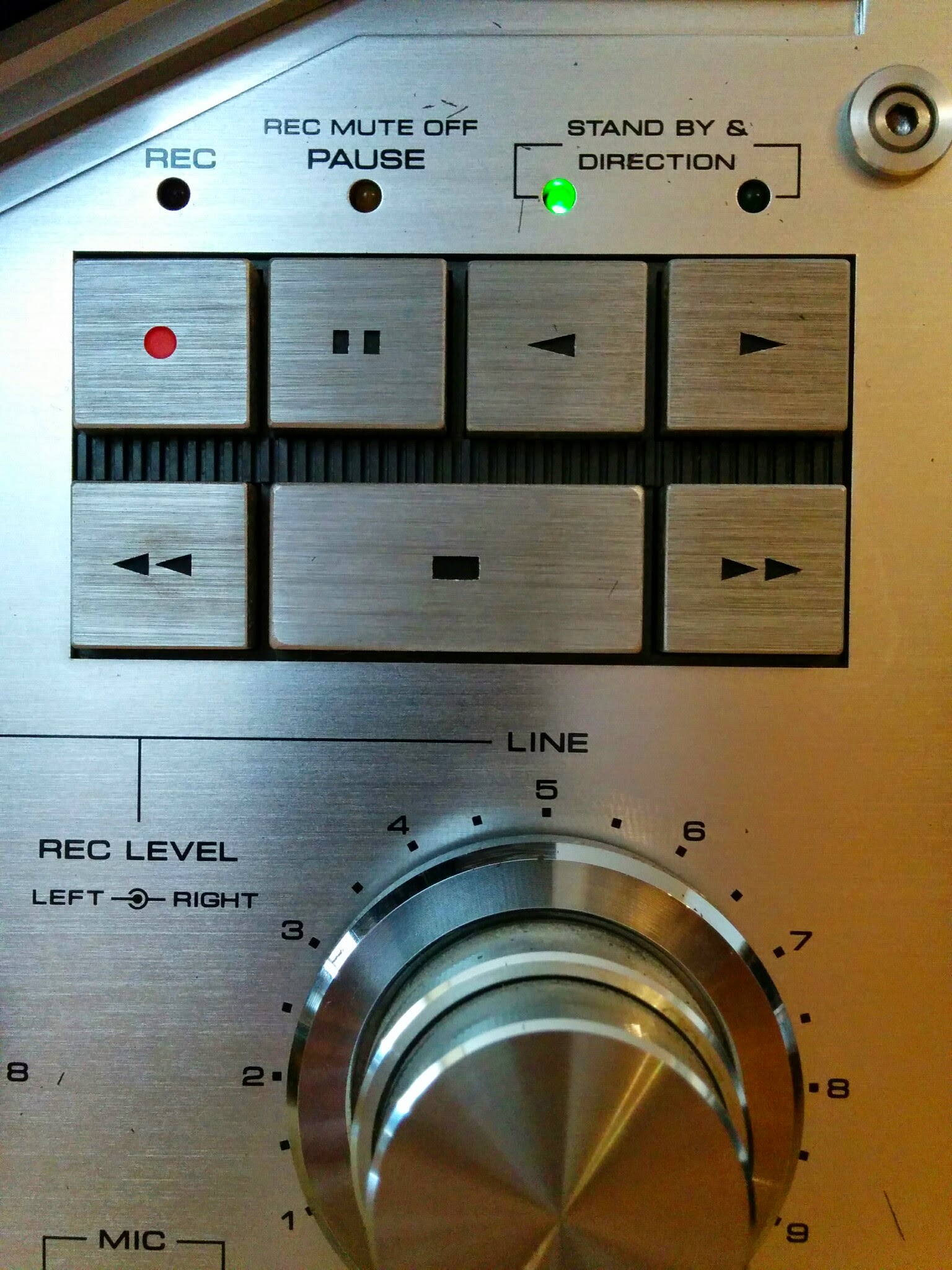
Analogue Tape Saturation
Pushing hot signal levels past +3 VU saturates magnetic oxide particles, causing gentle soft-knee peak rounding, 3rd-harmonic distortion, and natural dynamic compression prized on drums.
 AO3 Studio Calibration
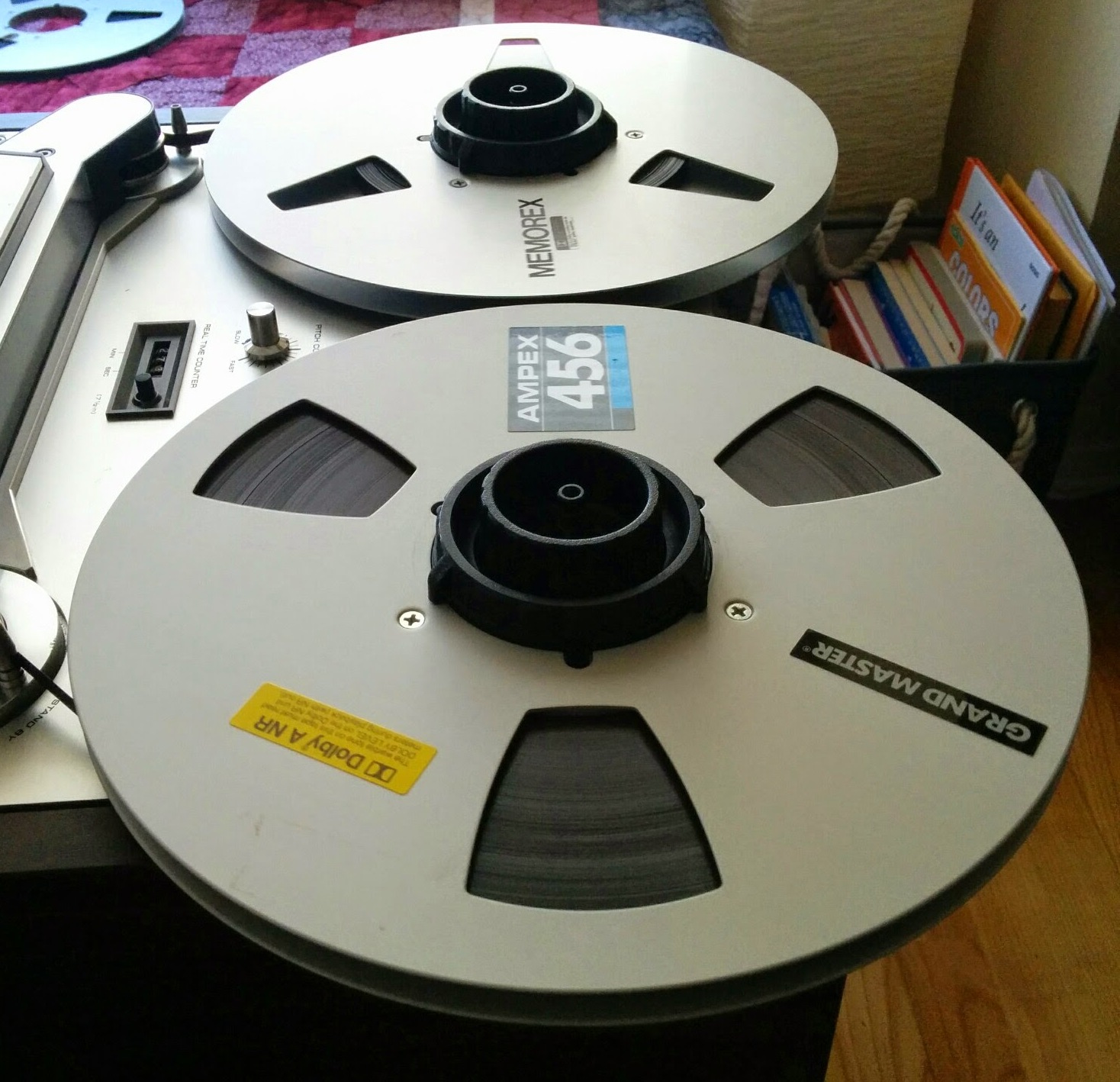
MRL Tape Alignment
Engineers played precision Magnetic Reference Laboratory (MRL) tapes containing 1 kHz and 10 kHz test tones to calibrate head azimuth (vertical angle), reproduce levels, and high-frequency EQ.
Dolby A, Dolby SR & dbx Compander Technology
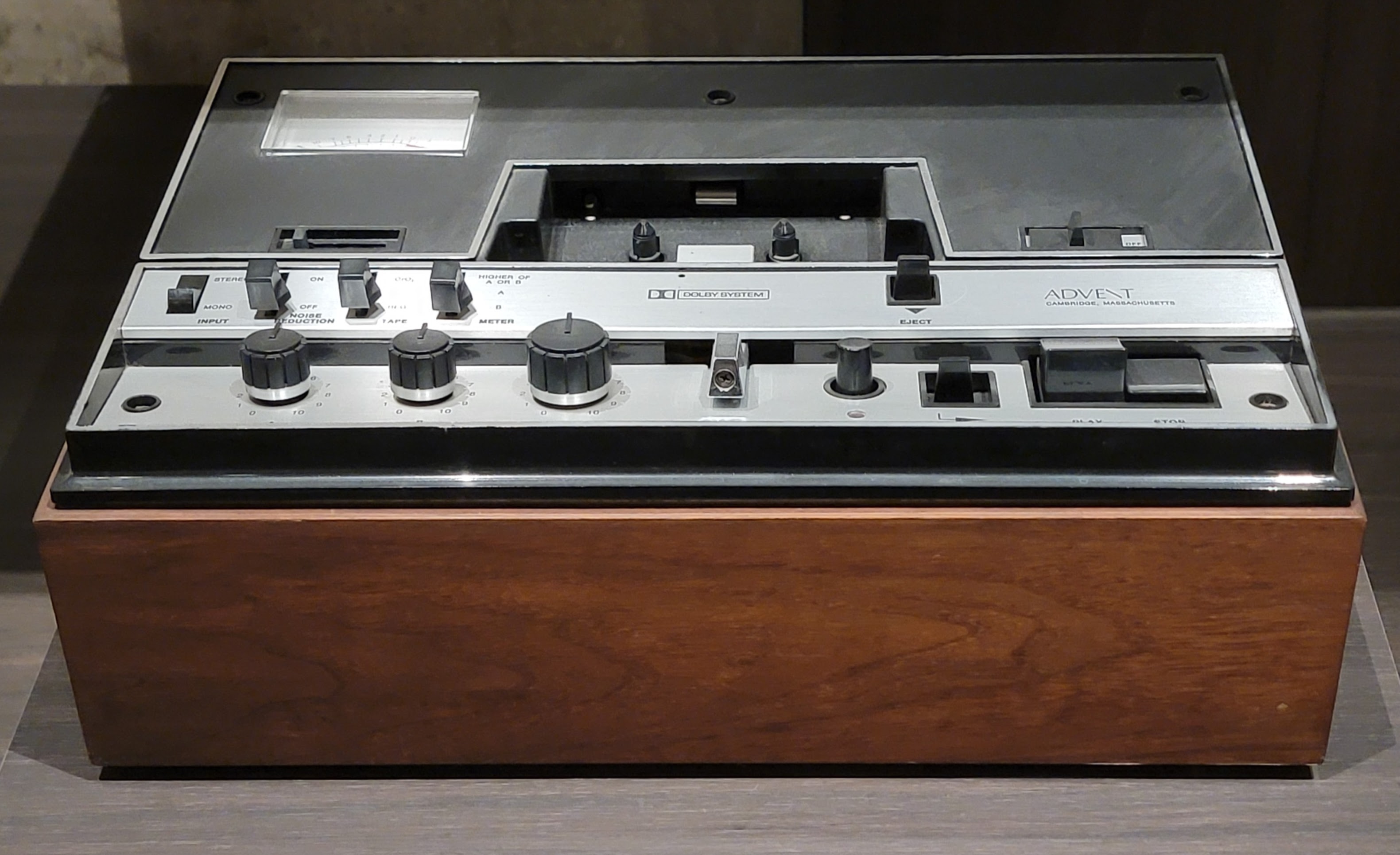 AO3 4-Band Companding
Dolby A-Type (1966)
Splits audio into 4 independent frequency bands (sub-80 Hz, 80 Hz–3 kHz, 3 kHz+, 9 kHz+). Low-level signals are boosted +10 dB during recording; during playback, the exact inverse expansion cuts tape hiss by 10 dB.
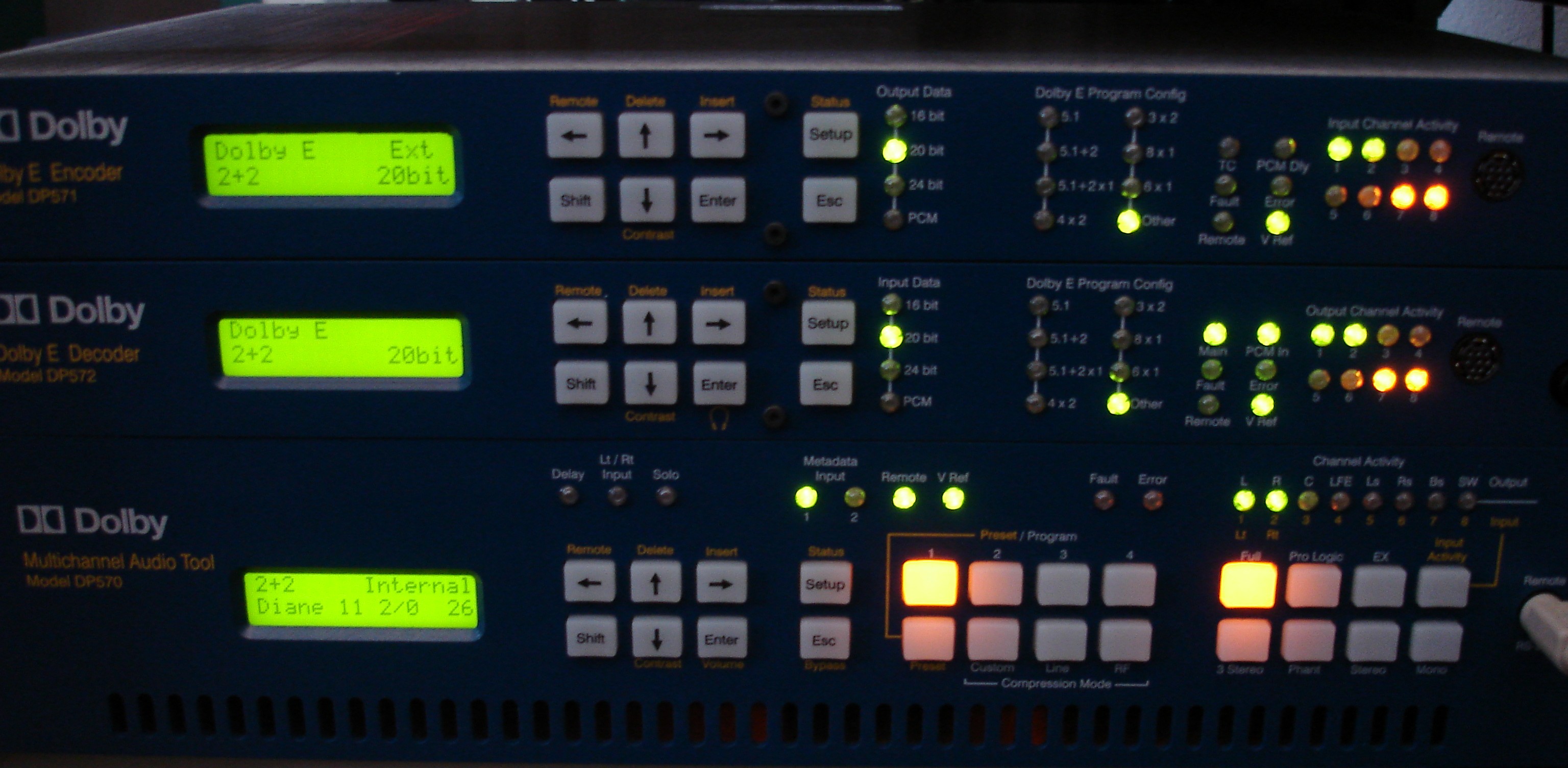 AO3 Modern Analogue NR
Dolby SR (Spectral Recording)
Introduced in 1986, Dolby SR utilized sliding-band and fixed-band filters to achieve up to 25 dB of noise reduction, matching the dynamic range of early 16-bit digital recording.
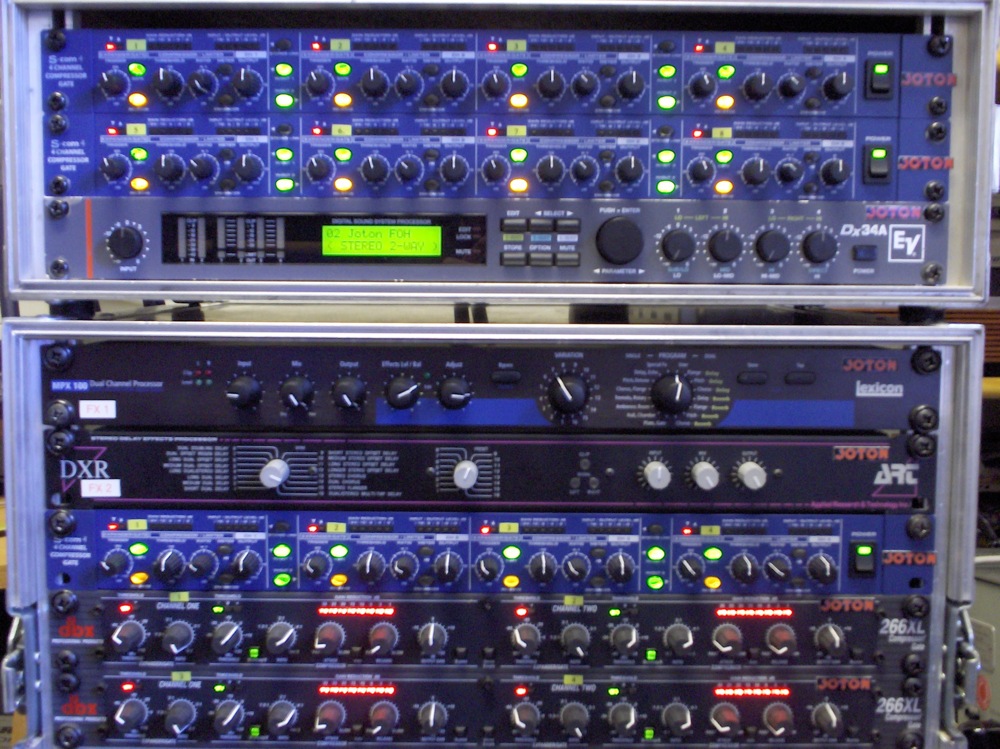 AO3 Wideband Companding
dbx Type I
A 2:1 wideband compander: compresses full audio dynamic range by 50% on recording with high-frequency pre-emphasis, and expands 1:2 on playback, yielding 30 dB of noise reduction.
Solid State Logic (SSL) & Neve 80-Series Consoles
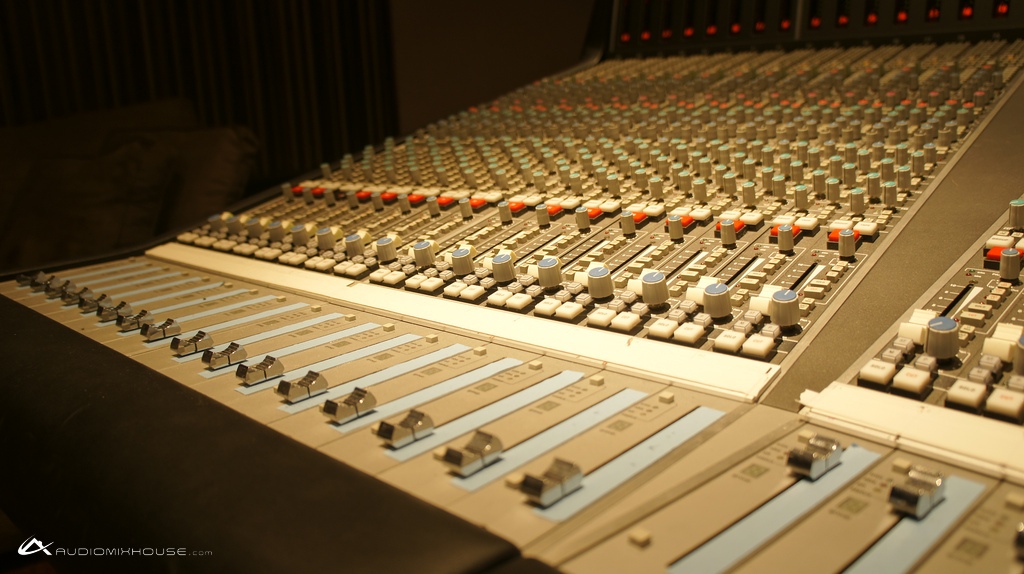 AO3 Console Revolution
The SSL 4000 E & G Series
Introduced in 1979, the SSL 4000 featured a dedicated compressor, expander/gate, and 4-band parametric EQ on every single channel strip, plus the legendary G-Master Bus compressor.
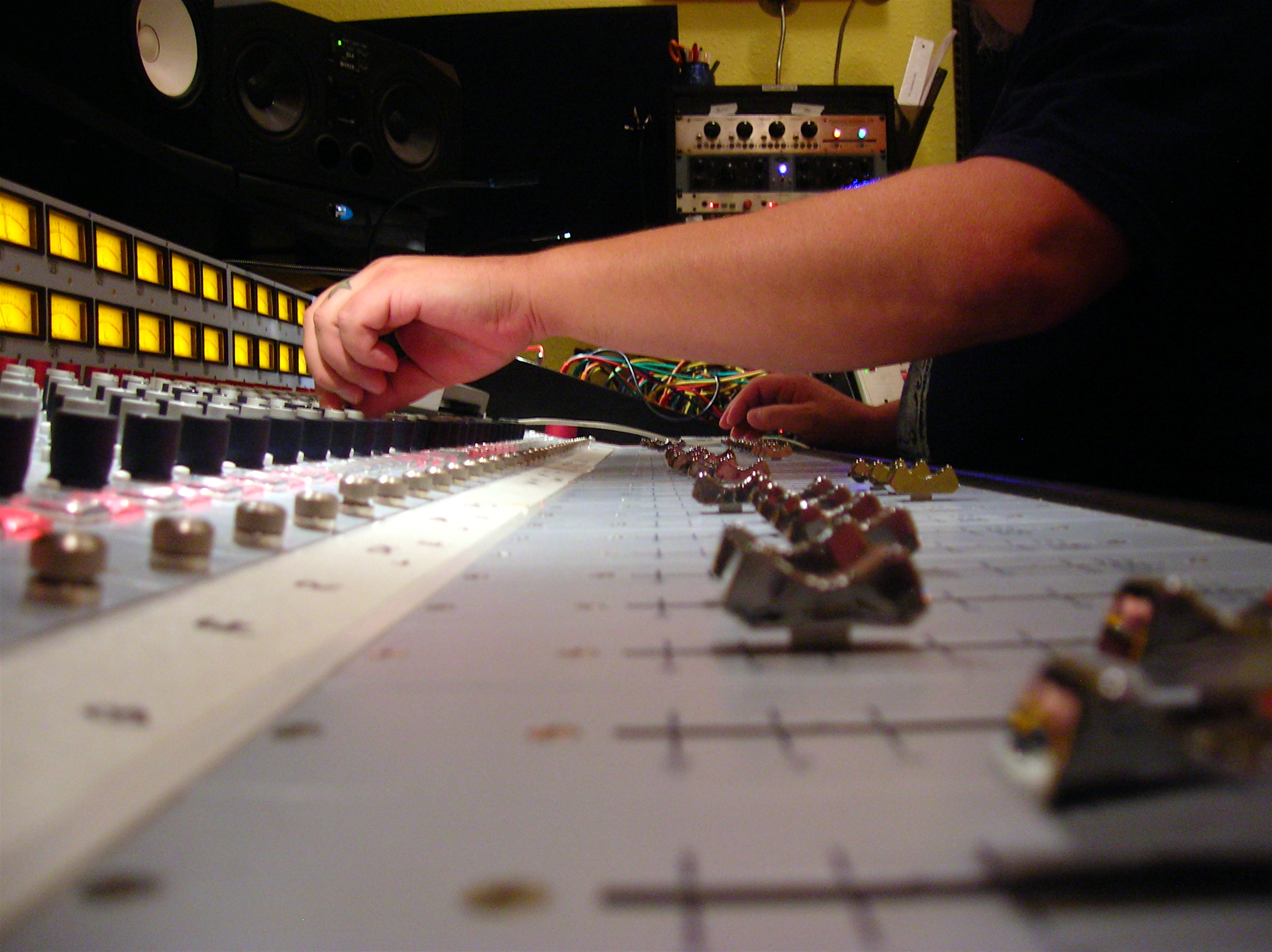 AO3 Discrete Class-A Warmth
Neve 80-Series (1073 & 1081)
Discrete Class-A transistor preamplifiers with Marinair input transformers and stepped inductor EQ delivered rich harmonic coloration and musical low-end weight.
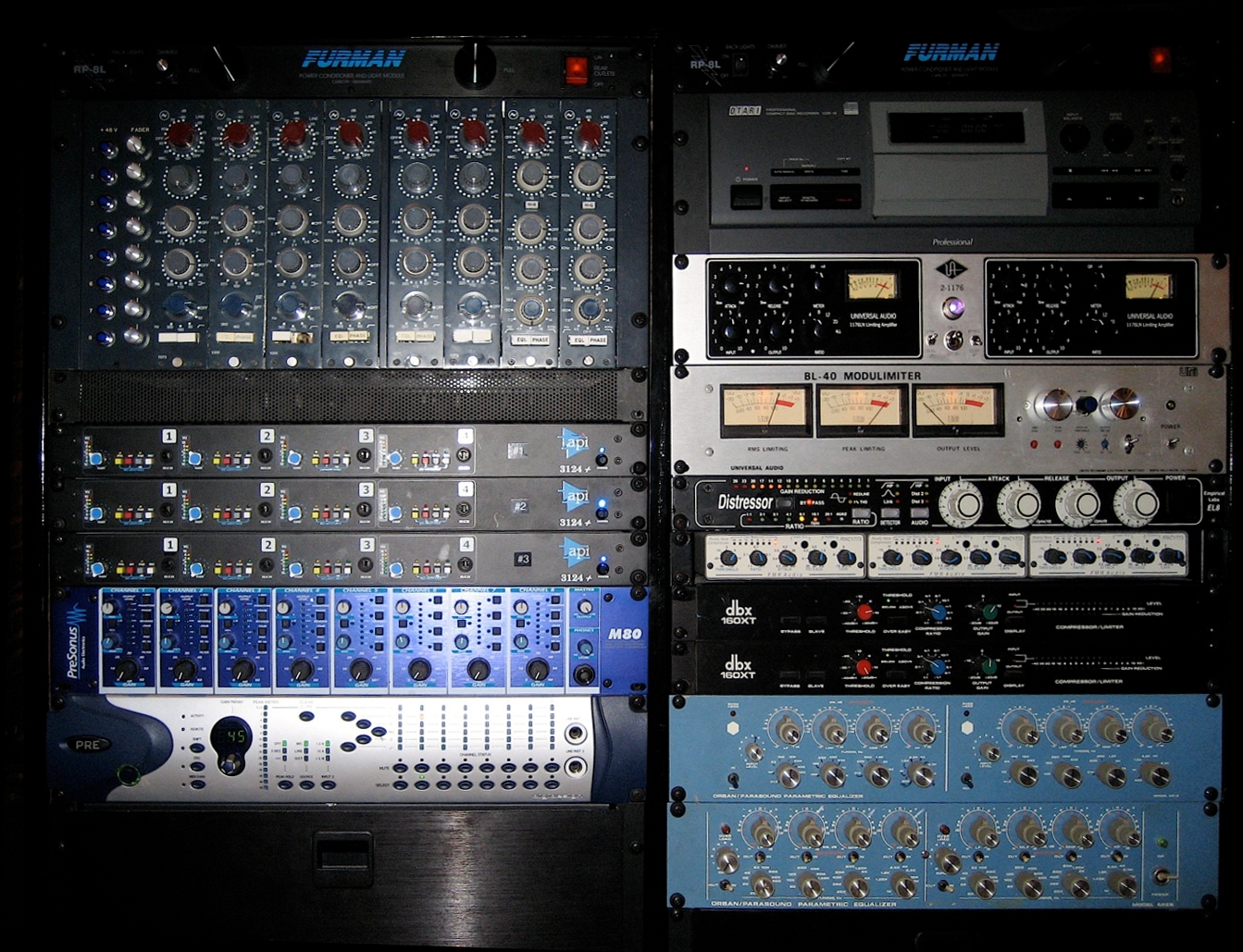 AO3 Parametric EQ
4-Band Parametric EQ
Allowed independent sweepable Frequency (Hz), Gain (±15 dB), and Q factor (bandwidth), giving mixing engineers surgical control to unmask bass, kick drum, and vocals.
VCA Faders, Total Recall & In-Line Architecture
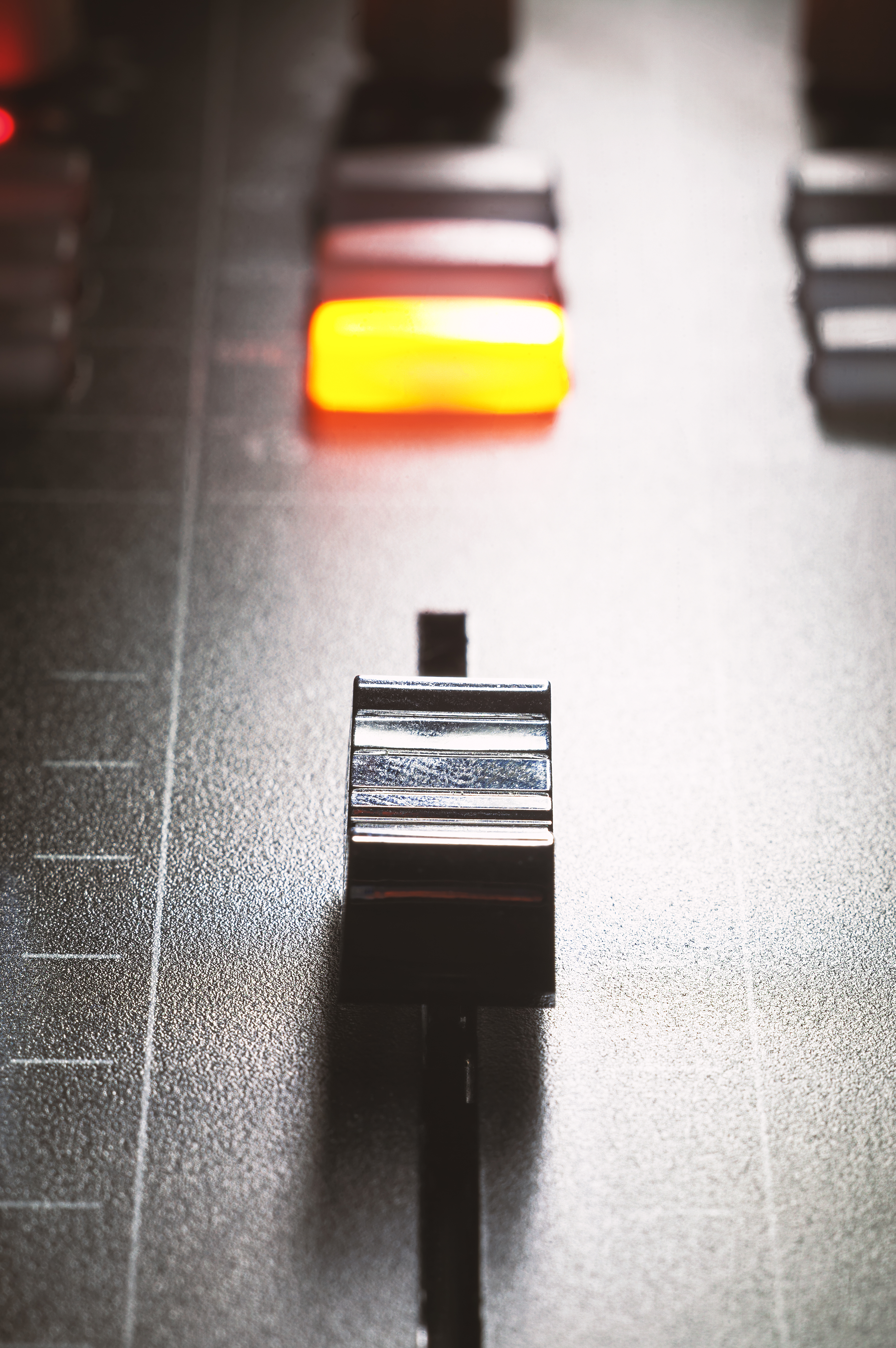 AO3 Voltage-Controlled Amp
VCA Fader Automation
Instead of passing audio through carbon tracks, audio passed through a Voltage Controlled Amplifier (VCA). Fader positions generated DC control voltages saved to floppy disk for dynamic mix automation.
 AO3 Studio Memory
SSL Total Recall
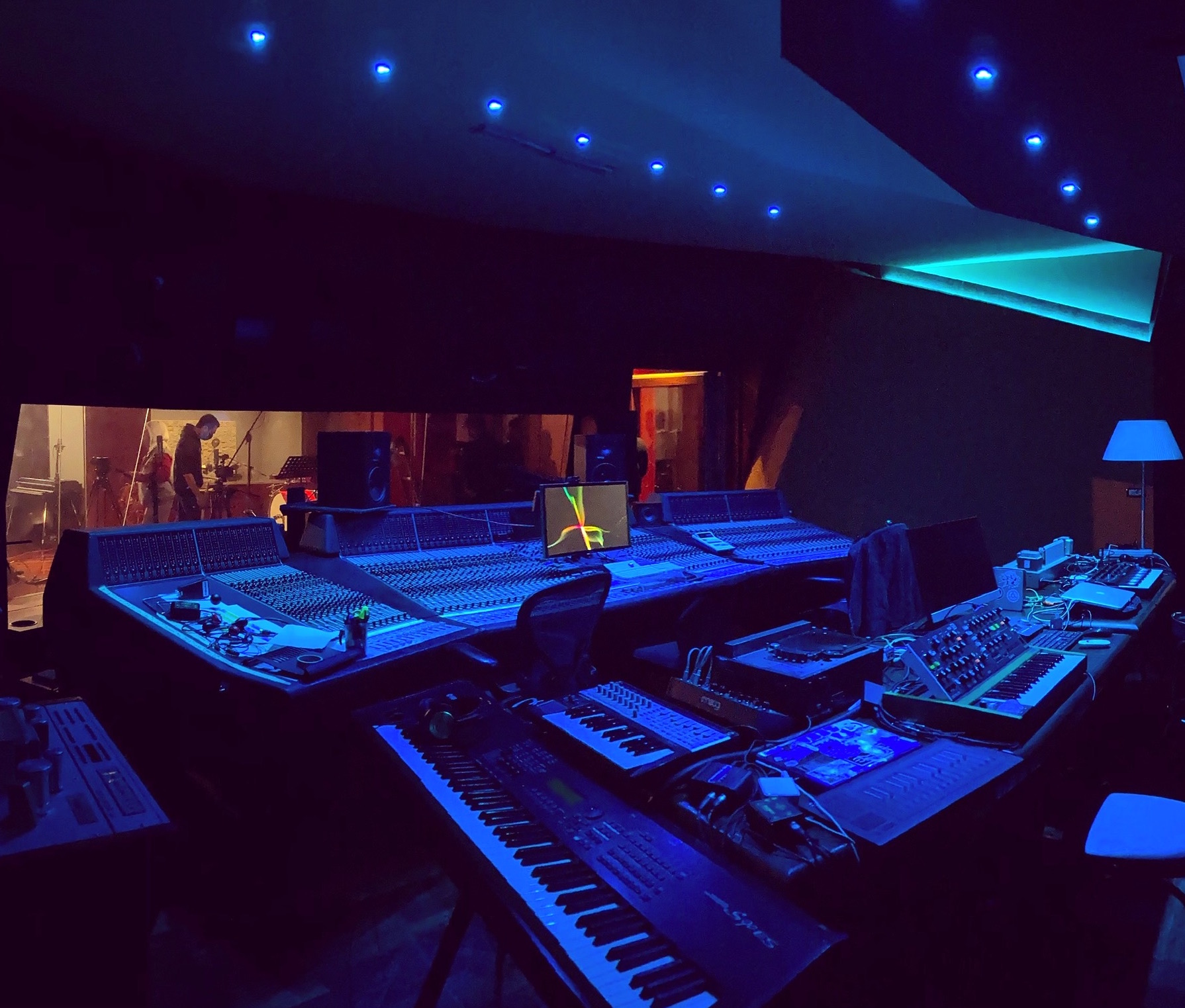
The console computer scanned every rotary knob, pot, and switch position on all 48 channels, displaying graphical overlays on screen so engineers could reset a complex mix in minutes.
 AO3 Signal Routing
In-Line Architecture & Patchbay
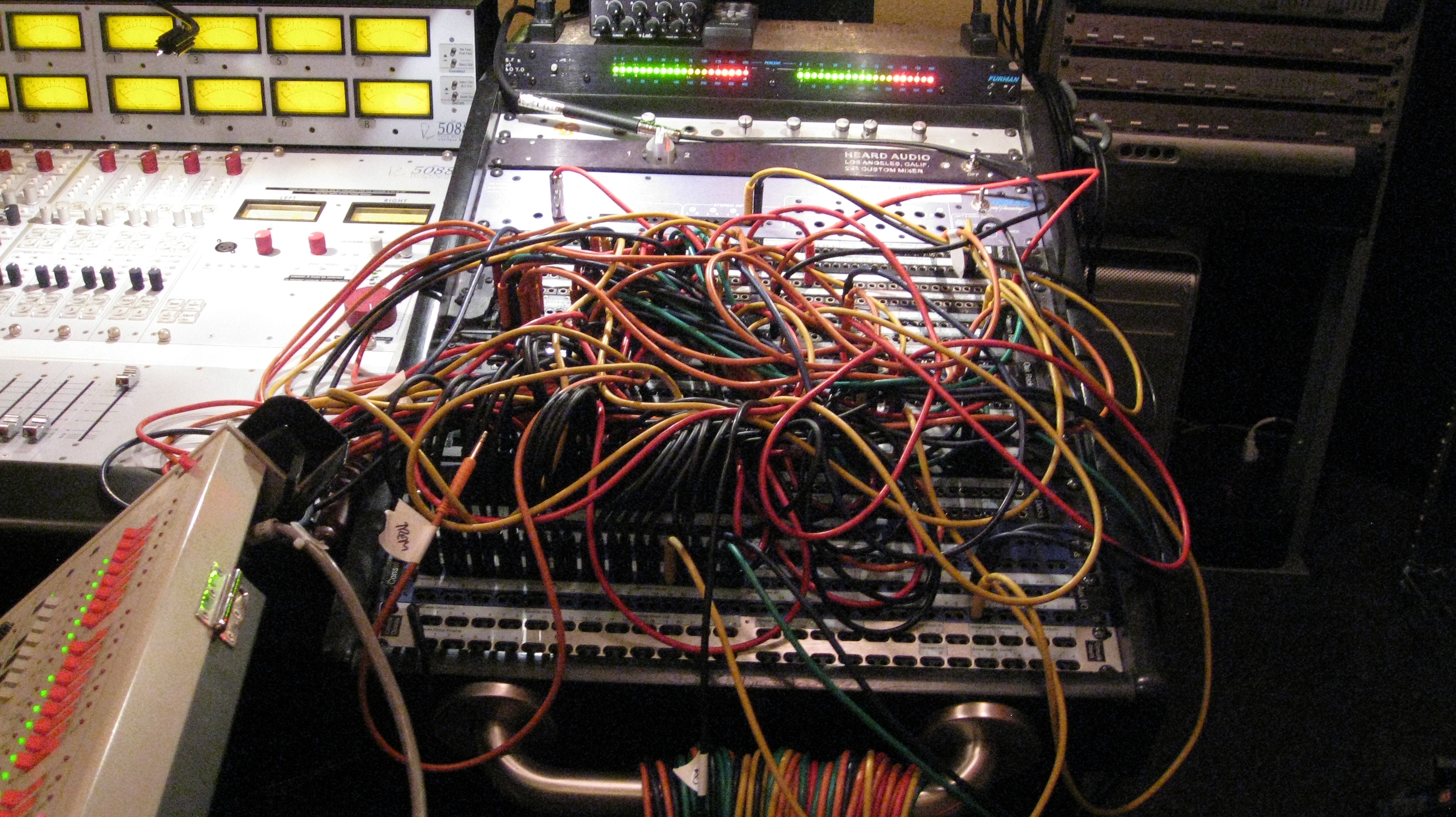
Every channel strip contained two signal paths: the Channel Path (mic preamp to multitrack send) and the Monitor Path (multitrack return to stereo mix). TT patchbays routed outboard units.
FET & VCA Compression: The 1176 & dbx 160
 AO3 Ultra-Fast FET
UREI 1176 LN Limiter
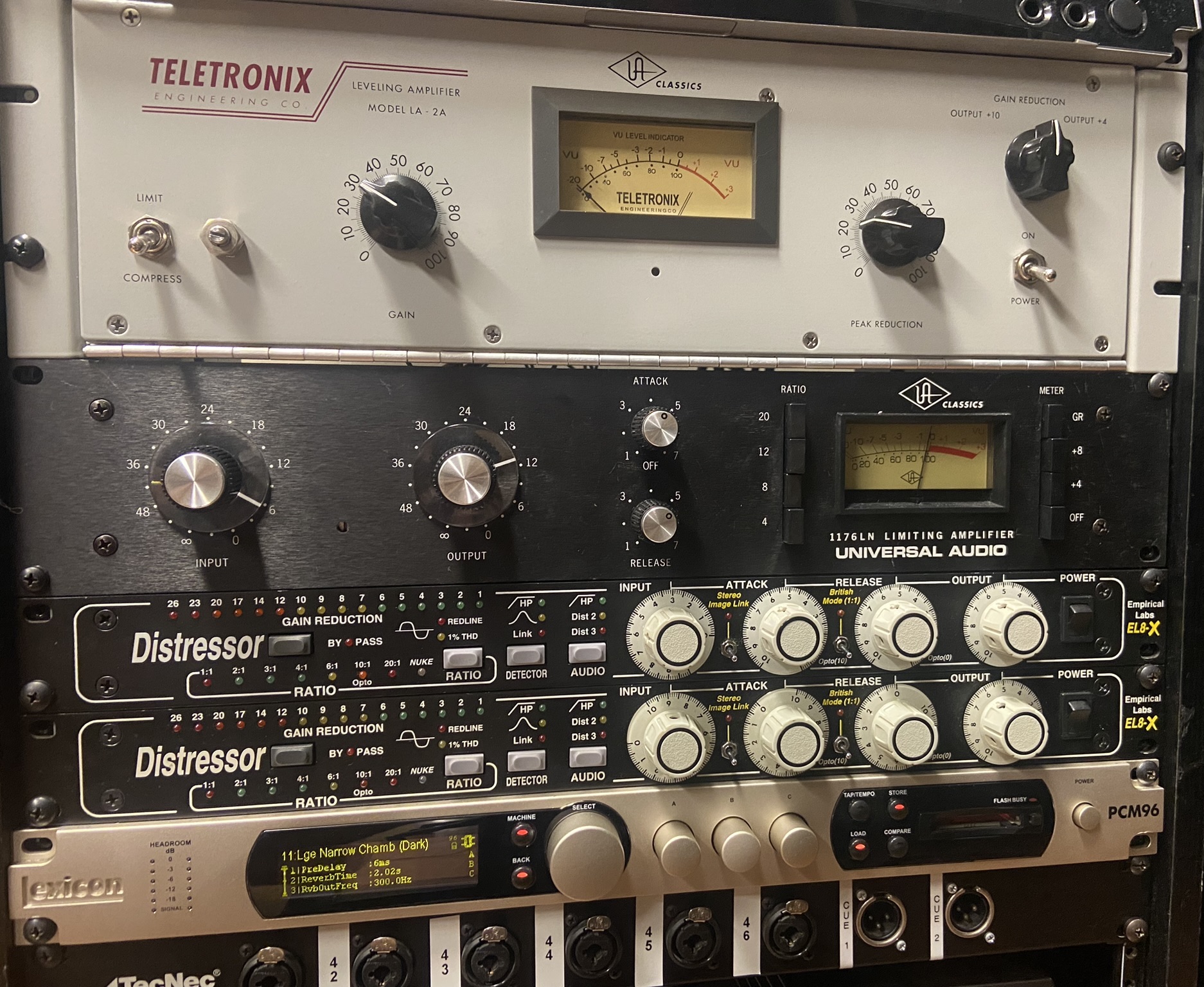
Field Effect Transistor (FET) gain reduction with blistering 20-microsecond attack. Depressing all ratio buttons simultaneously ("All-Buttons-In" mode) produced aggressive pumping distortion on drums.
 AO3 Hard-Knee Punch
dbx 160 VCA Compressor
Famous for its feed-forward VCA design and hard-knee compression. Delivered tight, punchy dynamic clamp with distinct low-end thud, making it the favorite for bass guitars and kick drums.
 AO3 "The Mix Glue"
SSL G-Master Bus Compressor
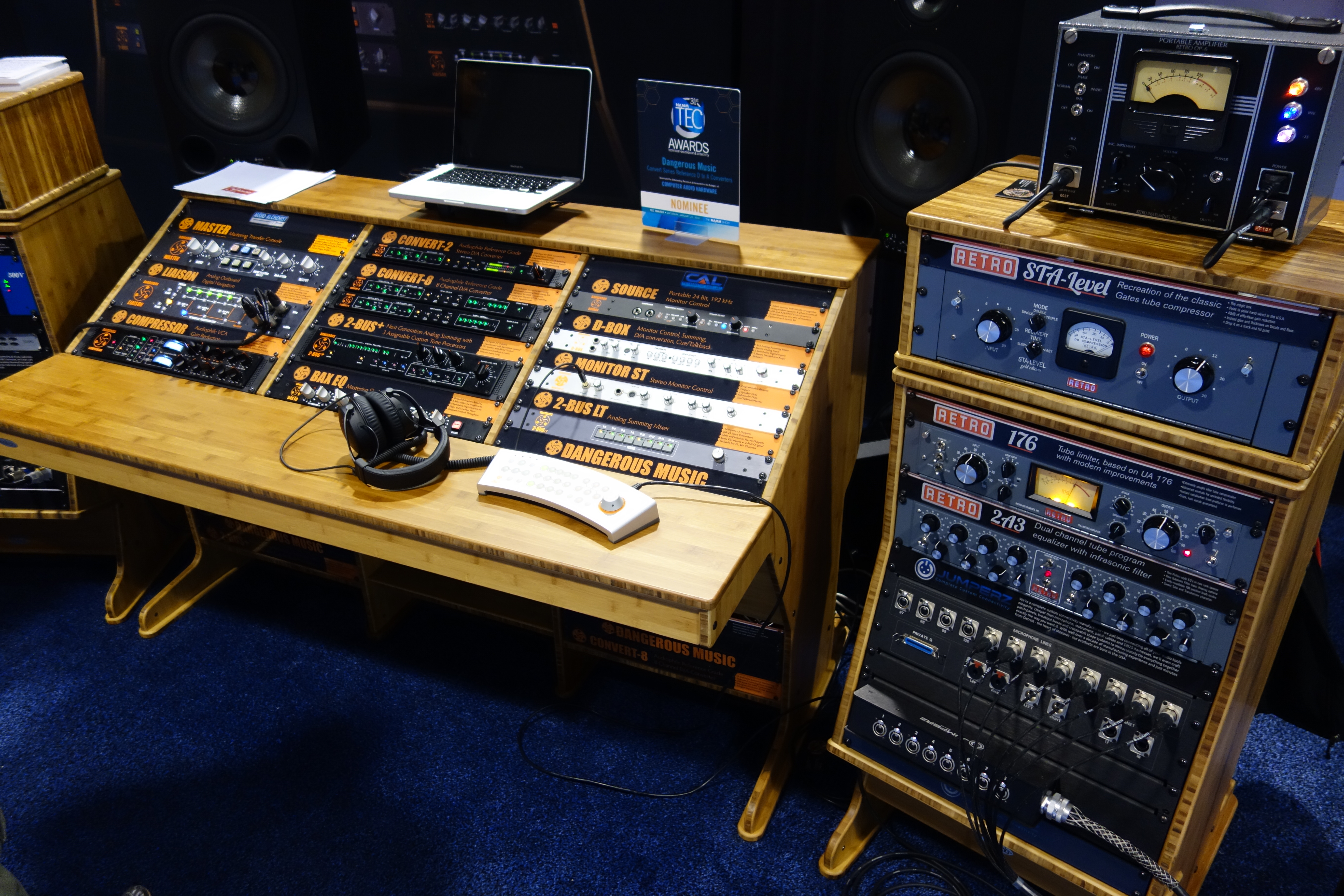
A quad-VCA stereo compressor strapped across the master stereo output. Gentle ratios (2:1 or 4:1) with auto-release "glued" diverse multitrack elements into a cohesive, punchy record.
Algorithmic Reverb: Lexicon 224, 480L & Eventide
 AO3 Digital Space
Lexicon 224 (1978)
Designed by Dr. David Griesinger, this early digital reverb used 12-bit floating-point converters and the iconic slider-based LARC remote to create lush Concert Hall and Plate spaces.
 AO3 Industry Benchmark
Lexicon 480L (1986)
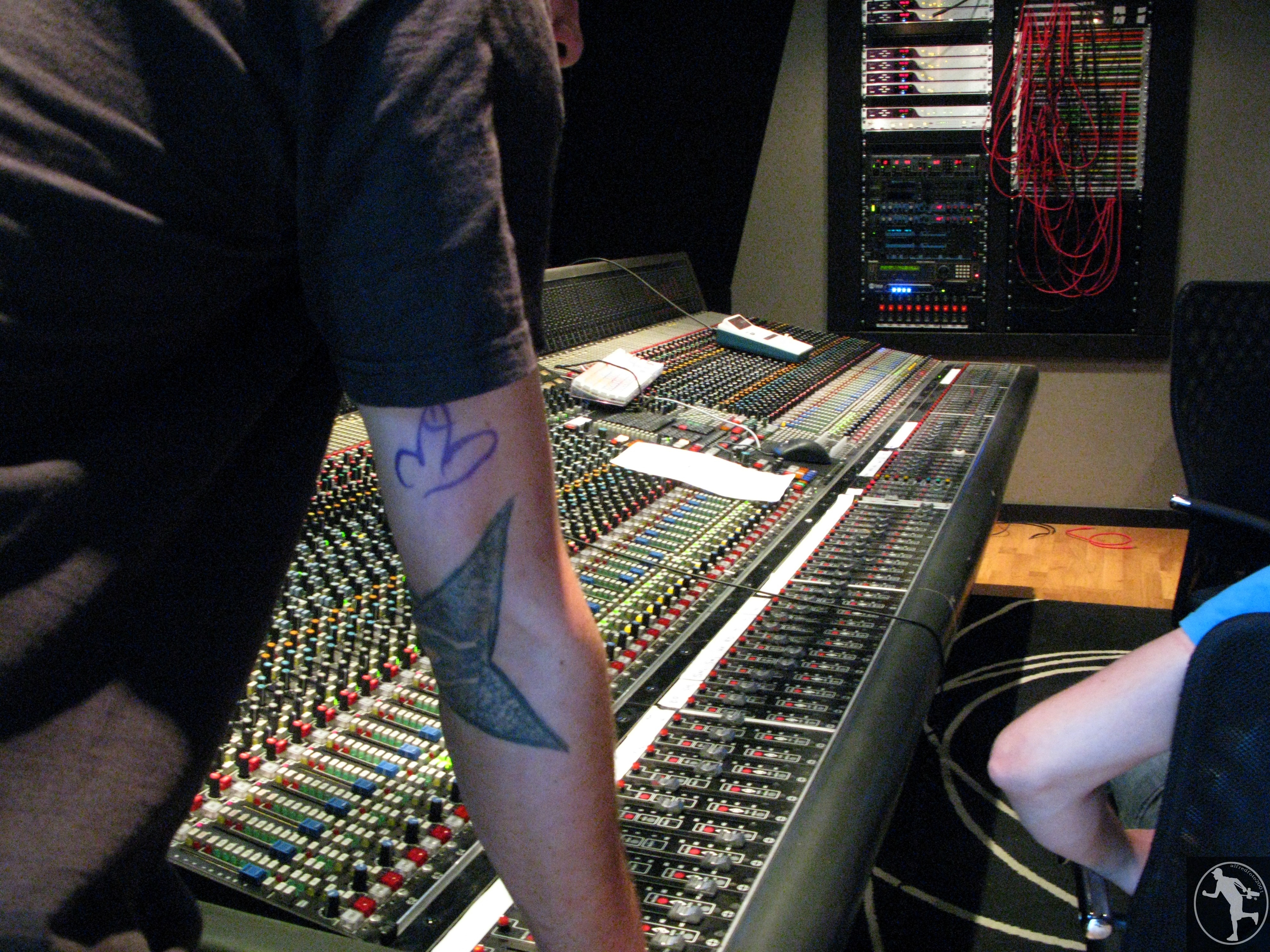
Dual-DSP architecture providing pristine 20-bit dynamic range, stereo time-variant reverbs, chorus delays, and high diffusion density that defined 1980s pop production.
 AO3 Digital Pitch Shifting
Eventide H910 Harmonizer
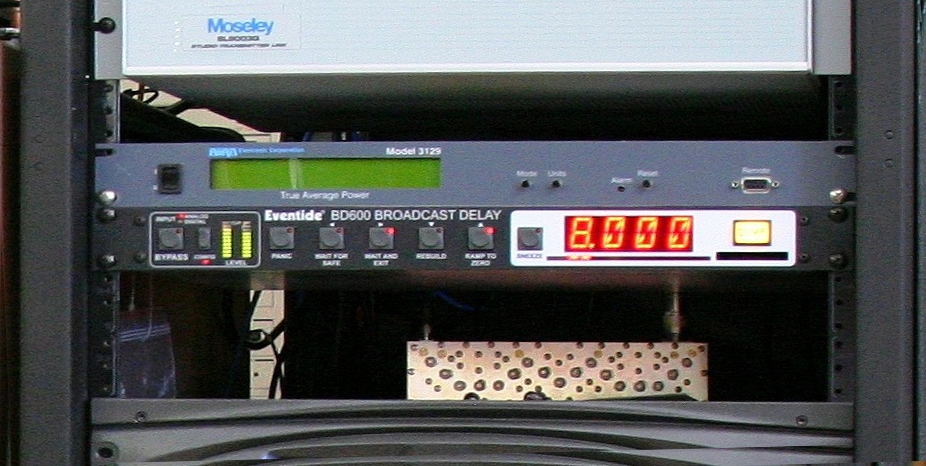
The world's first digital pitch-shifting unit (1974). Allowed engineers to detune vocals by ±1 octave, create micro-pitch stereo width, and generate sci-fi delay feedback sweeps.
Subtractive & Polyphonic Synths: Minimoog & Prophet-5
 AO3 Funk Clavinet
Hohner Clavinet D6
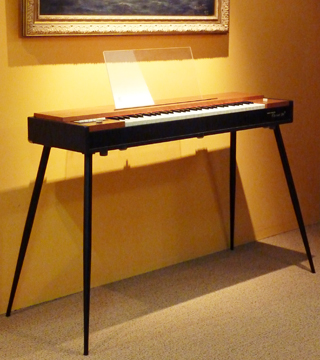
Electro-mechanical keyboard using rubber-tipped keys to strike steel strings against magnetic pickups. Paired with a wah-wah pedal or Mu-Tron III filter for quintessential funk rhythmic grit.
 AO3 Subtractive Bass
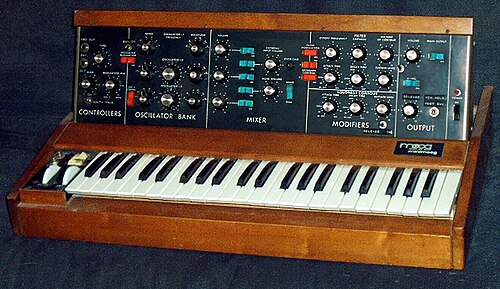
Minimoog Model D (1970)
Monophonic subtractive synthesizer with 3 VCOs, noise generator, and the legendary 24 dB/octave 4-pole transistor ladder low-pass filter. Defined punchy synth bass across disco, funk, and rock.
 AO3 Polyphonic Presets
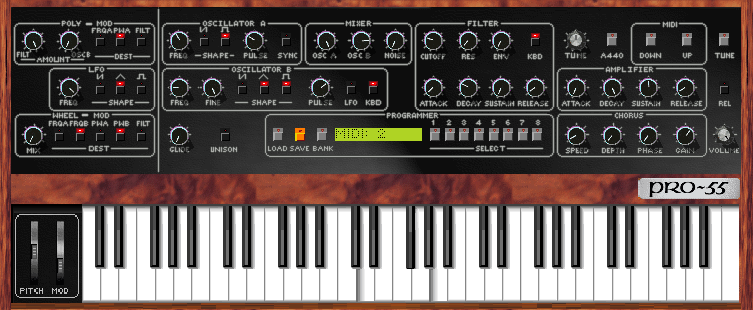
Sequential Prophet-5 (1978)
The first fully programmable 5-voice polyphonic analog synthesizer with patch memory storage. Allowed musicians to save and instantly recall rich analog string pads, brass stabs, and chords.
Close-Miking Drums, Damping & Drawmer Noise Gates
 AO3 Multi-Track Capture
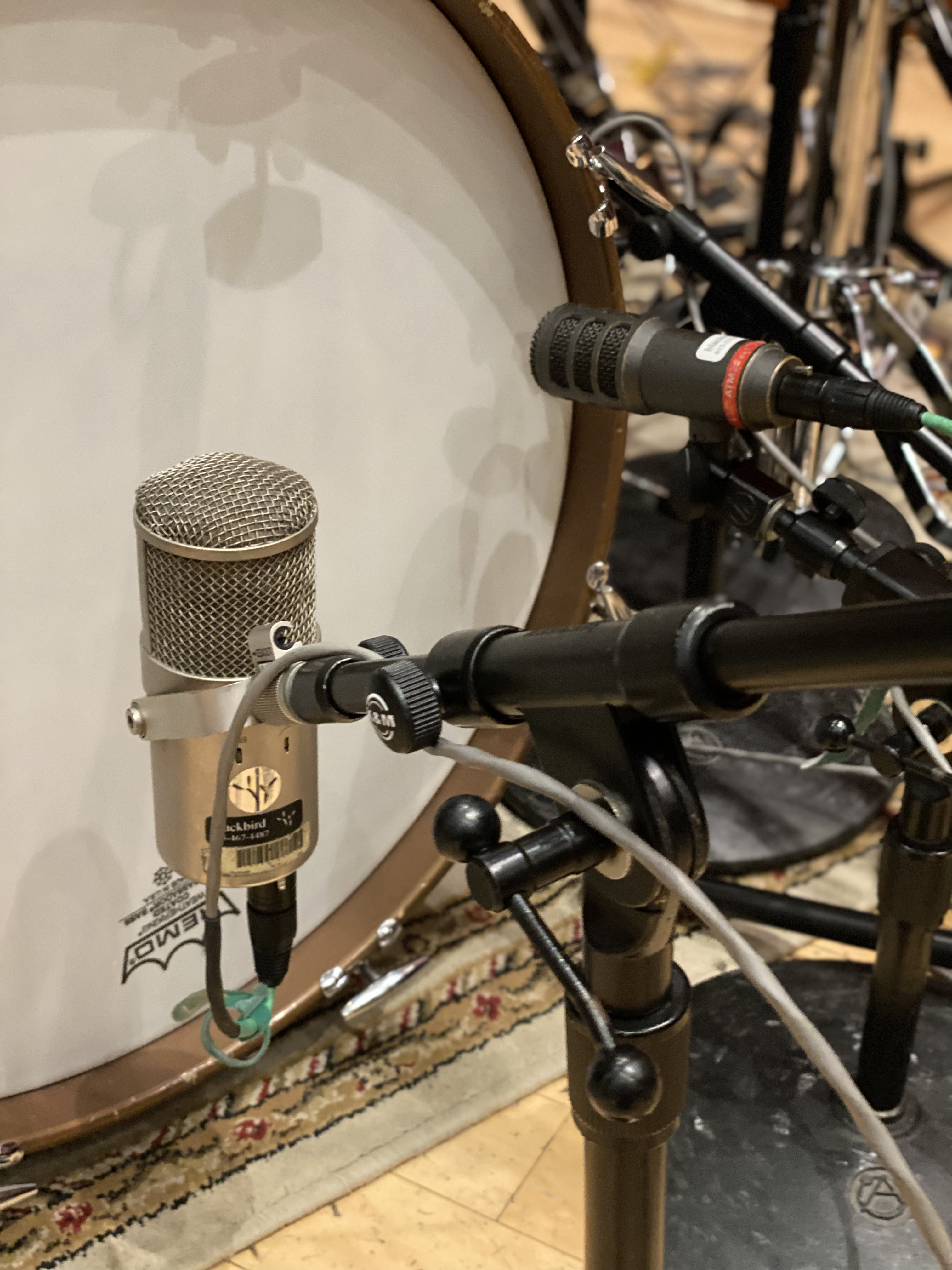
Individual Shell Miking
Instead of 2–3 overall mics, 10+ tracks were allocated: kick drum (inside & outside), snare top & bottom, hi-hat, 3 rack toms, floor tom, and stereo overheads spaced or XY.
 AO3 Transducer Physics
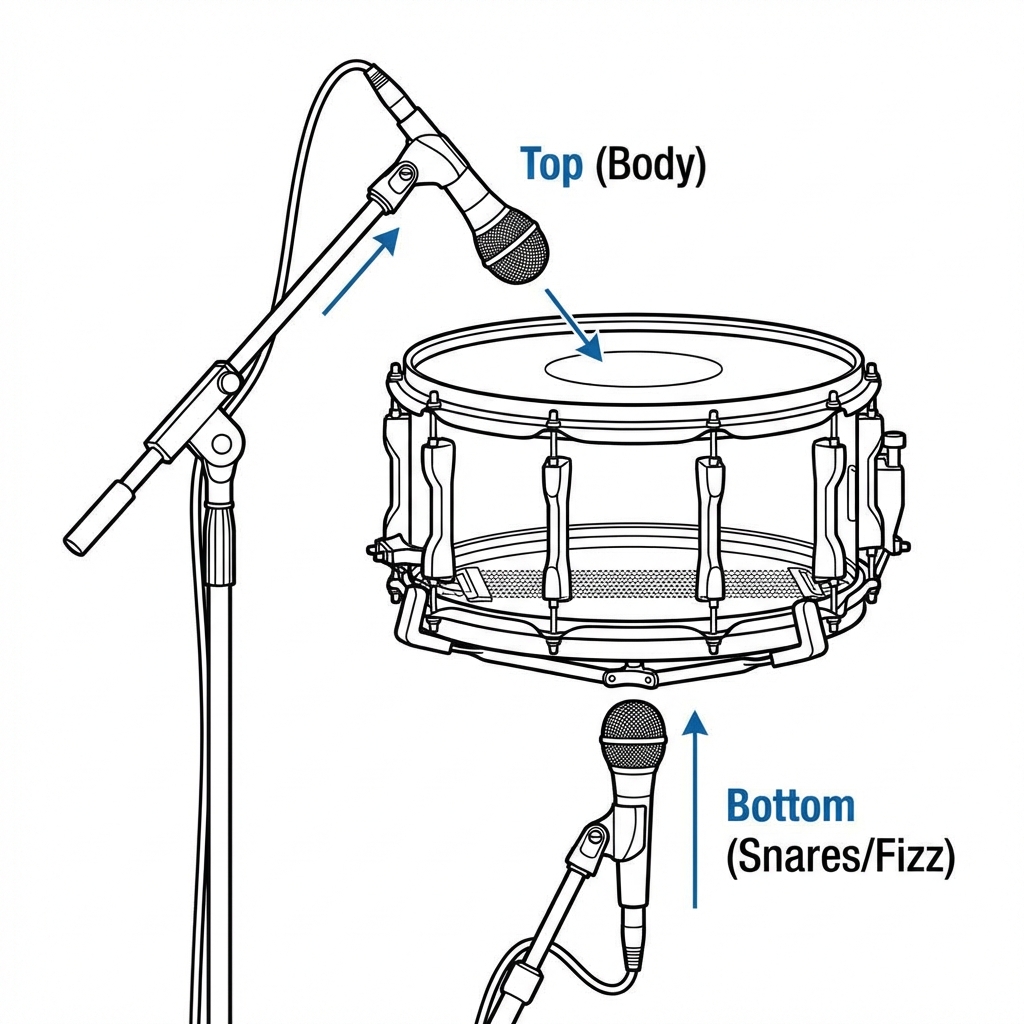
Snare Dual-Miking & Phase
Top mic (Shure SM57) captures stick attack; bottom mic captures high-frequency snare wire sizzle. Inverting the electrical phase on the bottom mic prevents destructive phase cancellation.
 AO3 Bleed Elimination
Hardware Noise Gating
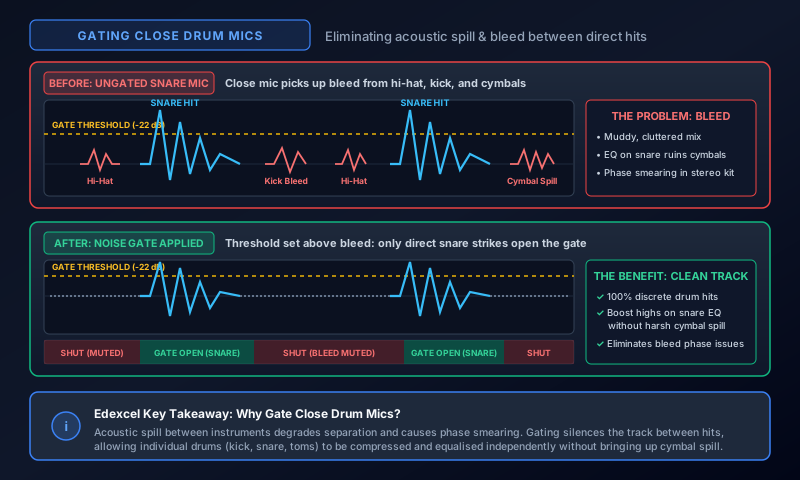
Units like the Drawmer DS201 muted tom and snare channels when the drum was not being struck. Threshold, attack, hold, and release parameters silenced hi-hat spill between drum hits.
The Compact Cassette, Walkman & the Dawn of Digital CD
 AO3 Portable Magnetic Tape
The Compact Cassette (1963–1980s)
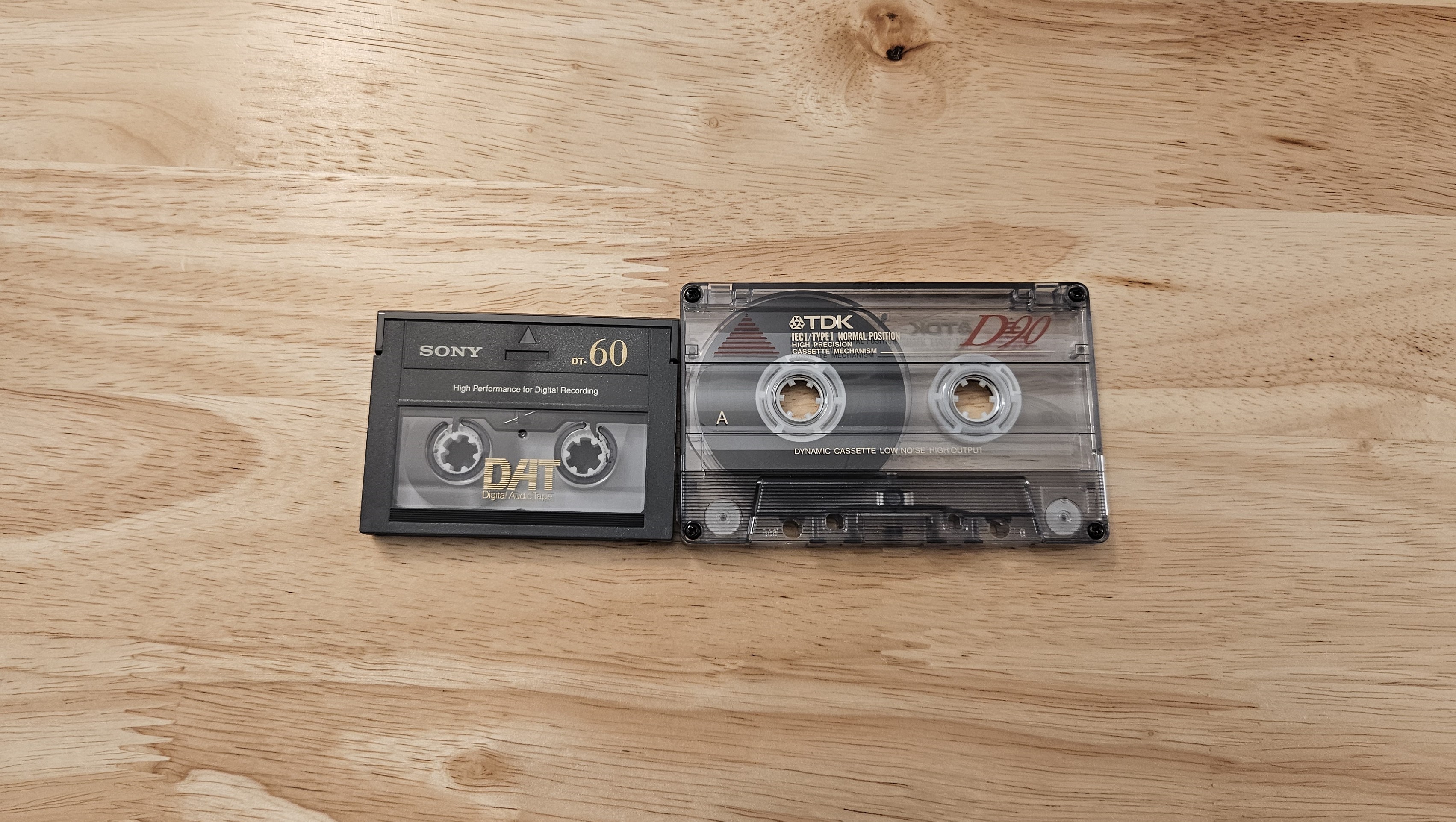
Operating at 1.875 ips on 1/8-inch tape, cassettes evolved from voice recording to high-fidelity music with Type II (Chrome) and Type IV (Metal) formulations and Dolby B/C consumer noise reduction.
 AO3 Consumer Transport
Head Gap & The Walkman
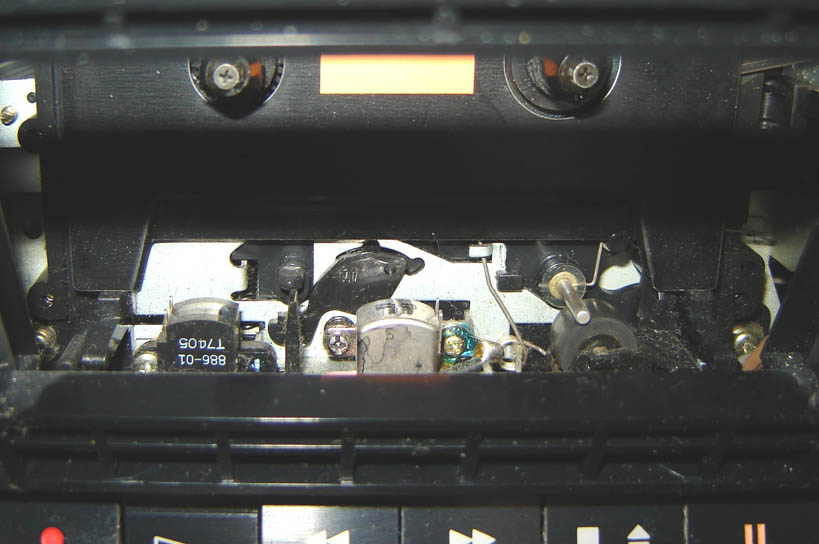
Precision micro-gap heads and capstan flywheels enabled high-fidelity stereo reproduction. The 1979 Sony Walkman made music personal and mobile, reshaping pop music production and headphone mixes.
 AO3 Digital Audio Dawn
The Compact Disc (1982)
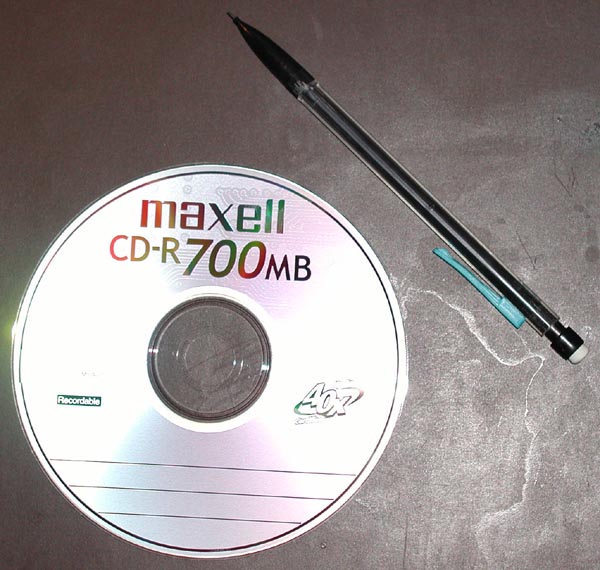
Philips and Sony co-developed the Red Book CD: 16-bit resolution, 44.1 kHz sampling rate, 96 dB dynamic range, and zero tape hiss or surface crackle, permanently changing mixing and mastering dynamics.