Component 3 Syllabus Matrix: Digital Era
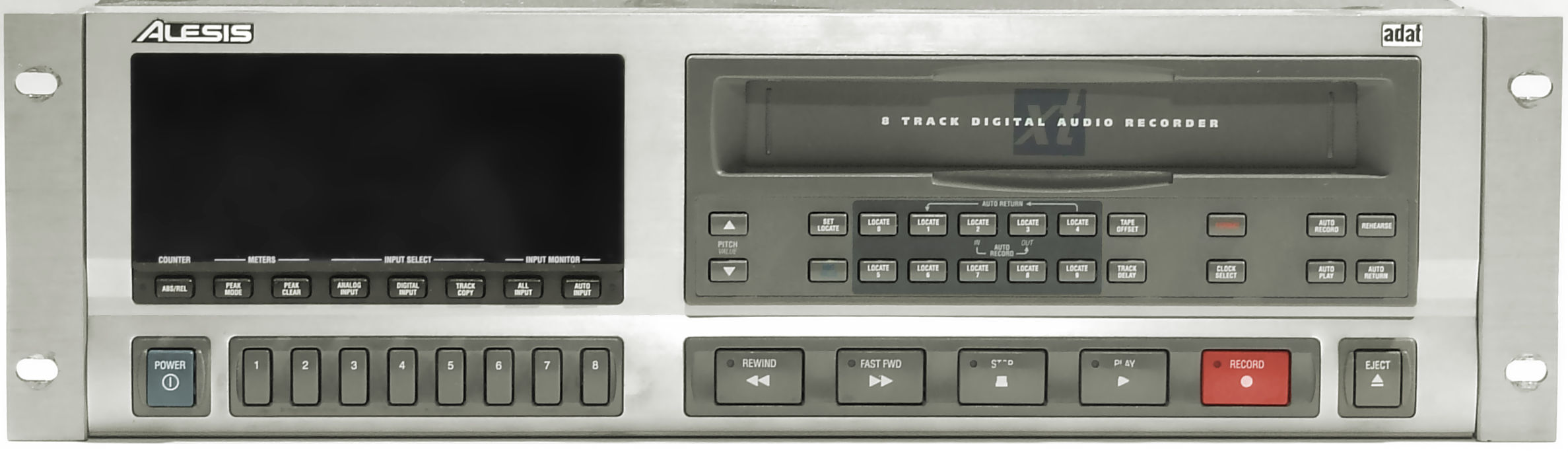 AO3 Digital Multitrack
Modular Digital Tape (MDM)
The 1991 Alesis ADAT recorded 8 channels of uncompressed 16-bit 48 kHz digital audio onto consumer S-VHS tape, democratizing commercial multitrack recording for home and project studios.
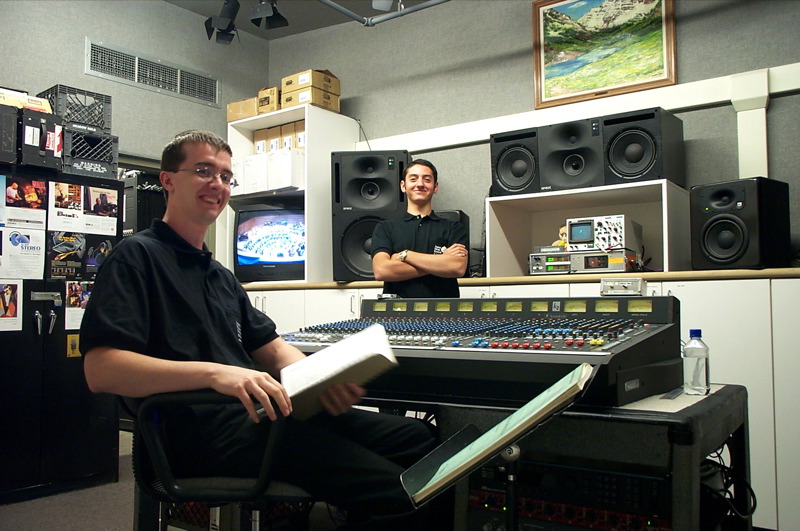 AO3 Mixing Desks
Console Architecture & DSP
Mastering signal flow: mic preamps, input trim, high-pass filtering, parametric EQ (Q factor), insert loops, auxiliary sends (pre vs post), and motorized fader scene recall.
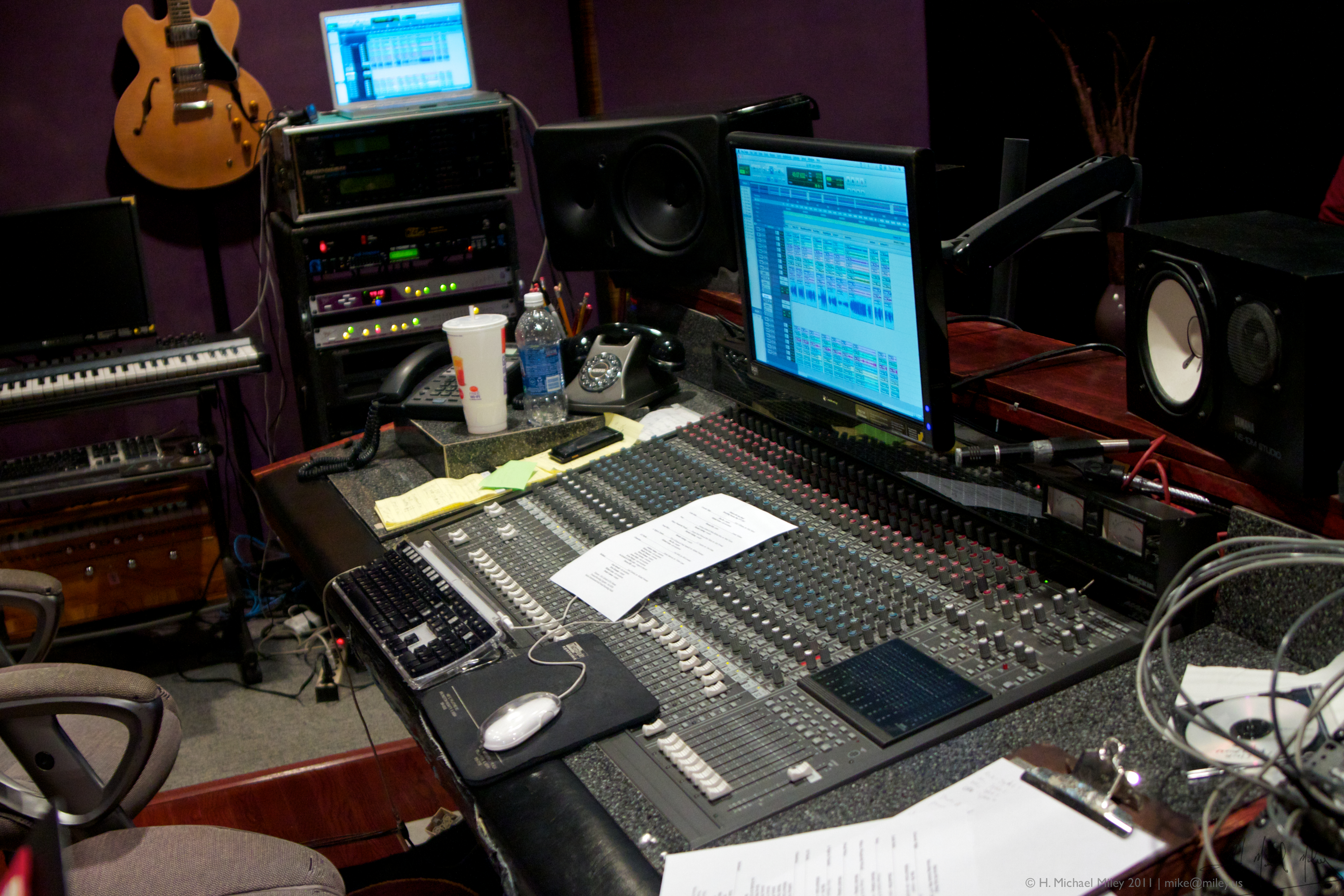 AO3 Computer Workstations
Non-Linear DAW Production
From Digidesign Sound Tools to Pro Tools and Logic: non-destructive region editing, take comping, VST plugins, sample-accurate automation, and Auto-Tune vocal processing.
The Digital Transition: DASH, PD & DTRS
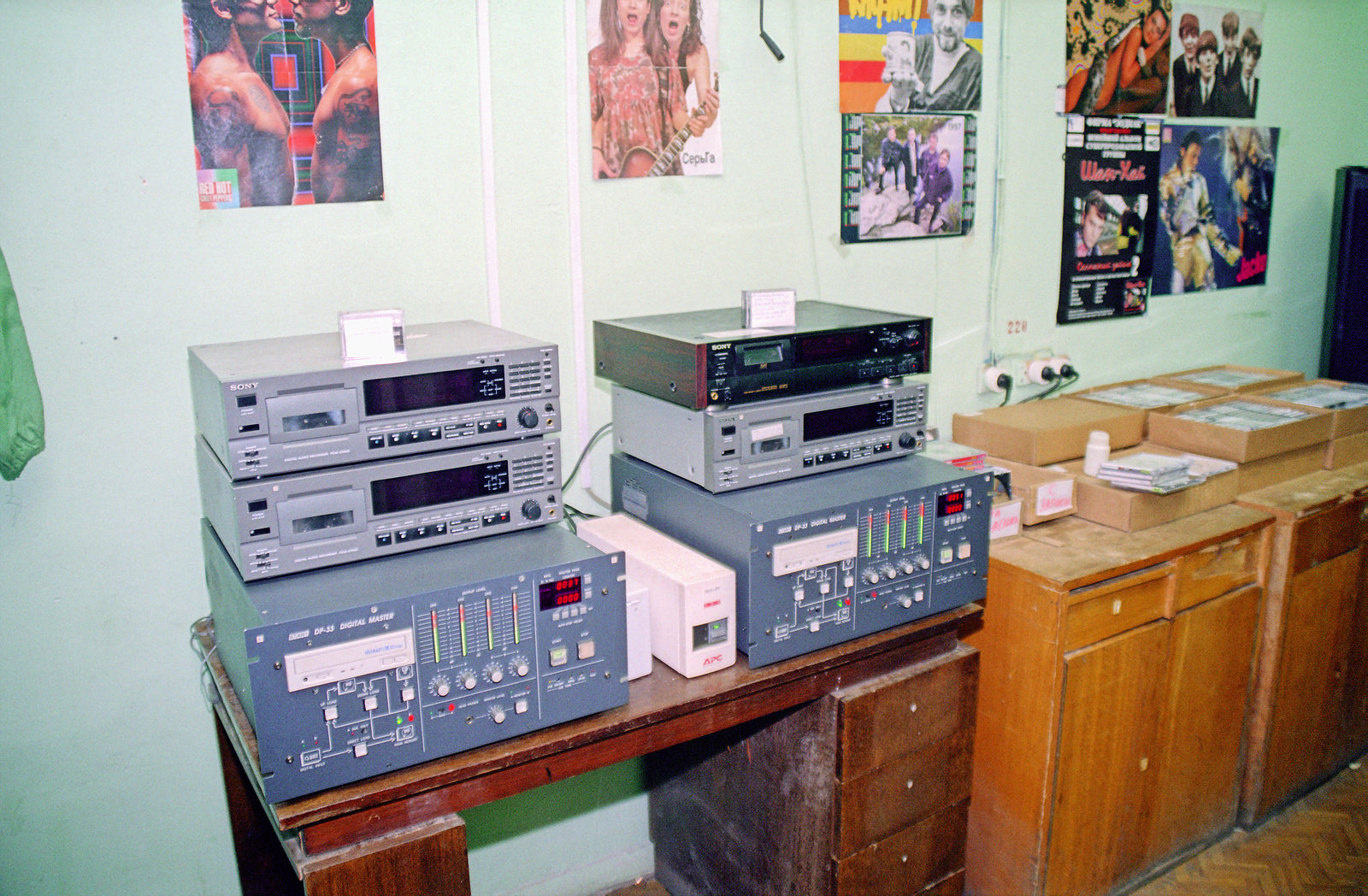 AO3 Digital Stationary Head
Sony DASH 48-Track (1988)
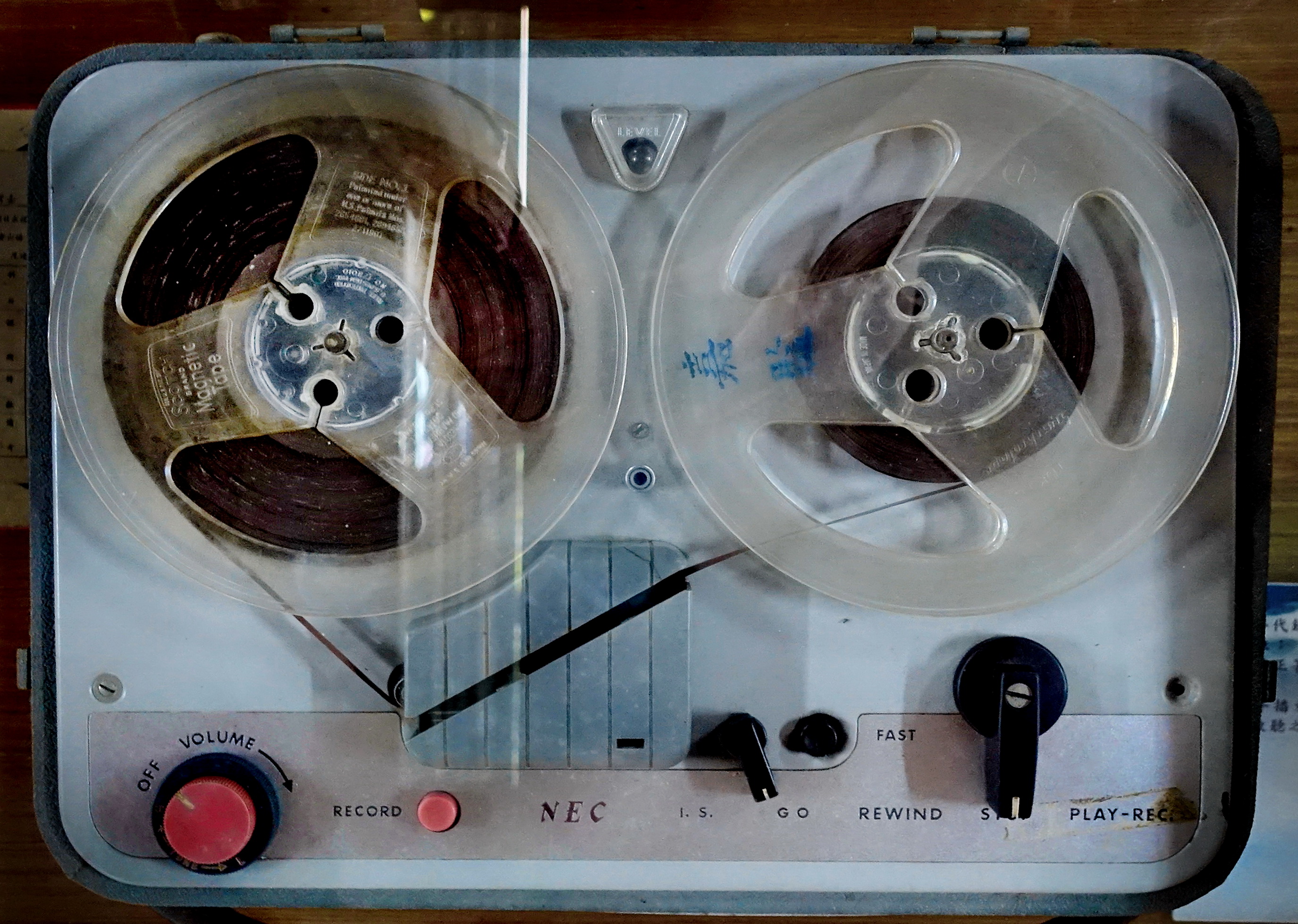
The Sony PCM-3348 used 1/2-inch tape running across stationary ferrite heads to capture 48 discrete tracks of 16-bit linear PCM audio. It eliminated analog tape hiss and generational loss while preserving razor-blade splicing.
 AO3 Open-Reel Digital
Mitsubishi ProDigi (PD Format)
The 32-track Mitsubishi X-850 competed directly with Sony DASH. It provided pristine 48 kHz digital audio with zero crosstalk and zero wow/flutter, becoming a staple for top-tier pop and orchestral soundtrack sessions.
 AO3 Rotary Head Recording
Tascam DA-88 & DTRS (1993)
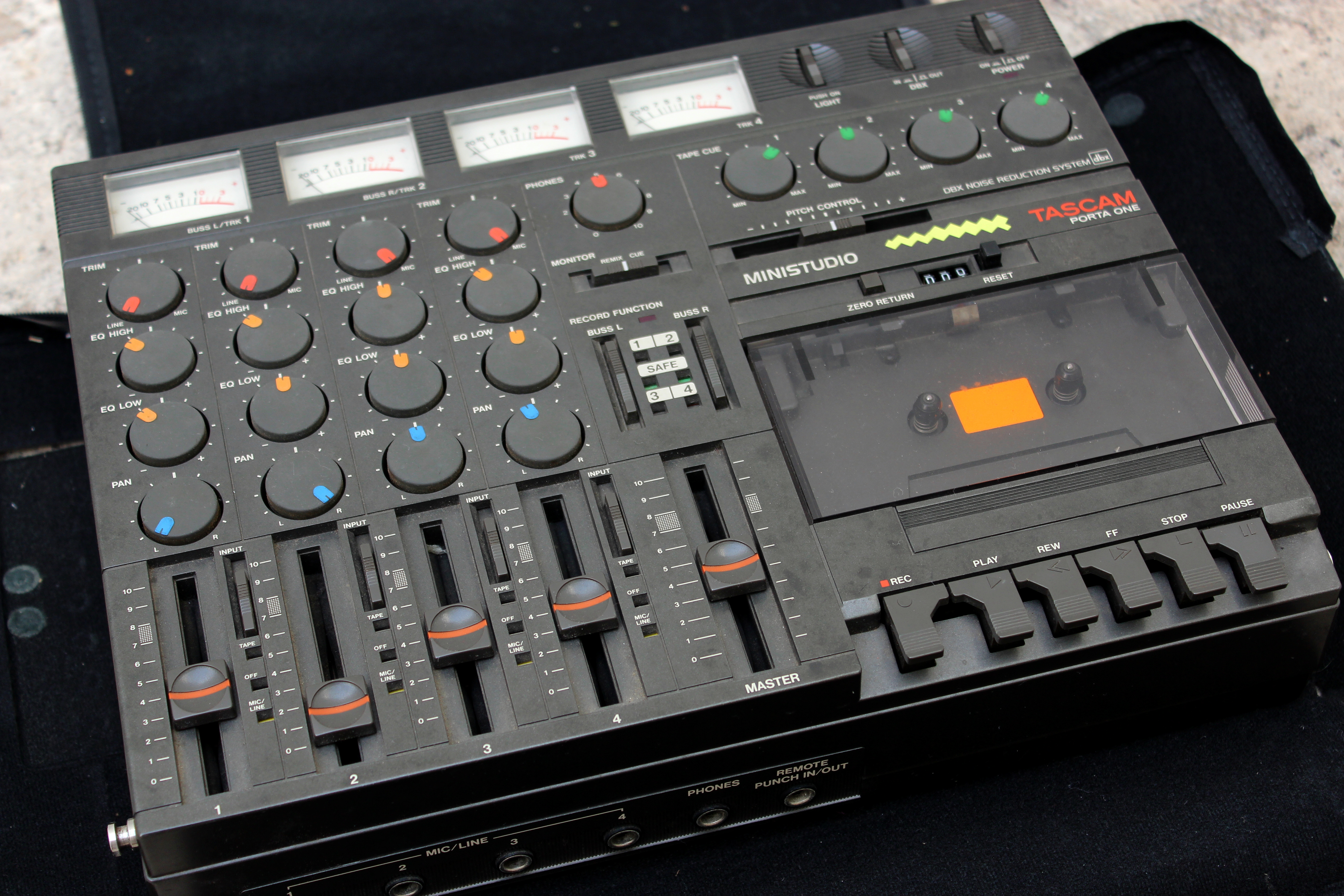
Using helical scan rotary heads and 8mm Hi8 metal tape cassettes, the DA-88 provided 8 tracks of rugged digital audio. Widely adopted in post-production and film scoring due to rapid transport locking and rock-solid SMPTE sync.
The Alesis ADAT Revolution (1991)
 AO3 Consumer Tape Transport
S-VHS Helical Scan Transport
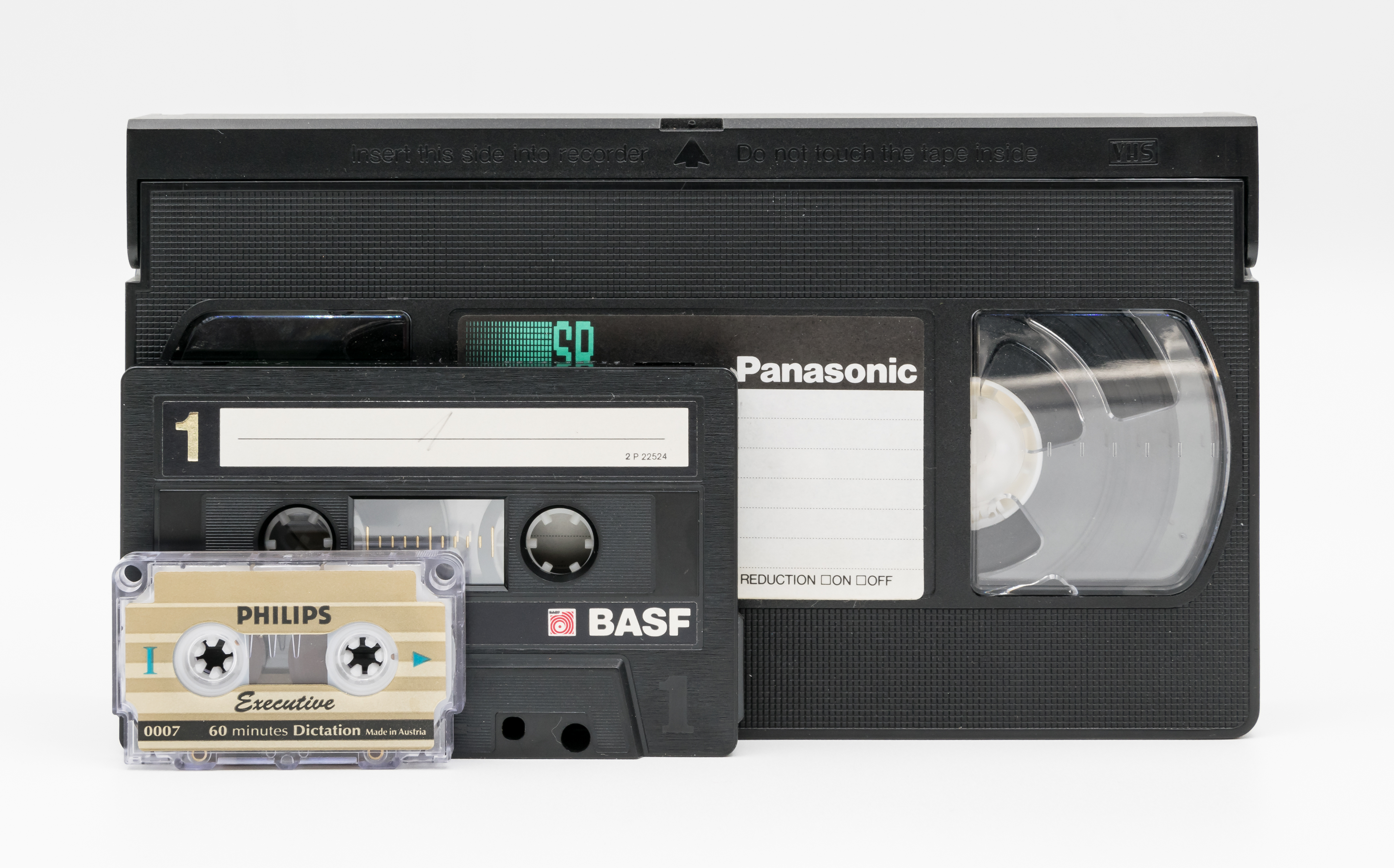
Alesis utilized low-cost consumer Super-VHS tape cartridges. Rotating helical scan heads recorded 8 tracks of 16-bit 48 kHz linear PCM digital audio without tape compression or analog saturation.
 AO3 Digital Connectivity
ADAT Optical Lightpipe Protocol
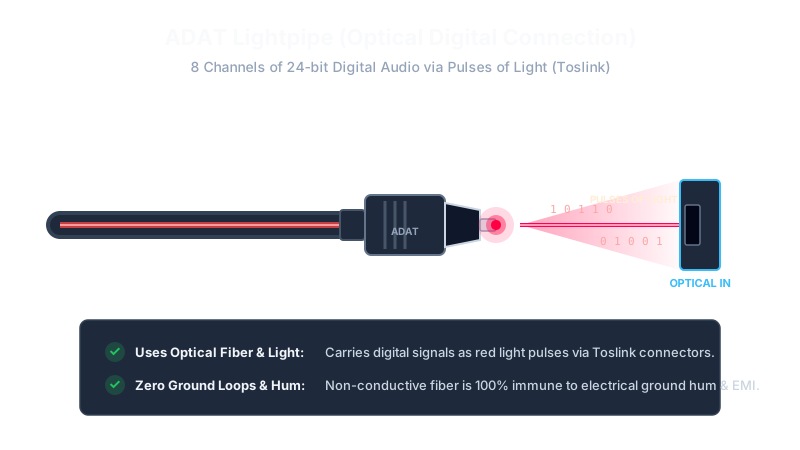
Alesis introduced the Toslink optical lightpipe connector, transmitting 8 discrete channels of 24-bit 48 kHz digital audio across a single fiber-optic cable, completely eliminating analog cable snake noise.
 AO3 Modular Architecture
Sample-Accurate Sync (MDM)
Up to 16 ADAT machines could be daisy-chained using 9-pin sync cables to form a sample-accurate 128-track digital system. Landmark albums like Alanis Morissette's Jagged Little Pill were tracked entirely on ADATs.
The Channel Strip: Input Gain, Pad & High-Pass Filtering
 AO3 Input Gain Staging
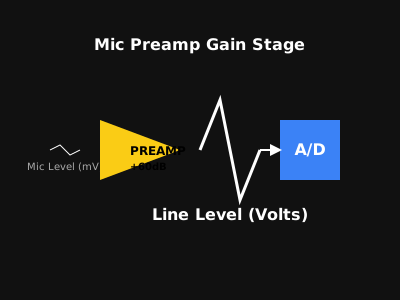
Preamp Gain & Pad (-20 dB)
The mic preamp amplifies low-level microphone signals (-60 to -40 dBu) up to standard line level (+4 dBu / 1.228V). The -20 dB Pad prevents analog clipping distortion when tracking high-SPL sources like snare drums.
 AO3 Sub-Bass Filtering
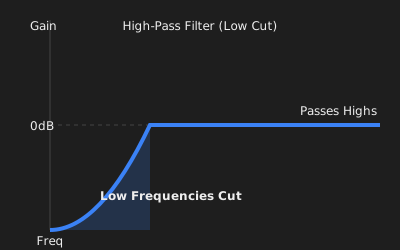
High-Pass Filter (HPF / Low-Cut)
An 18 dB/octave high-pass filter engaged at 75–100 Hz eliminates mechanical microphone stand vibrations, air conditioning rumble, and excessive proximity effect without thinning out vocal formants.
 AO3 Signal Flow Order
Serial Signal Path Order
Standard architectural order: Input Transformer → Mic Preamp → Phase Invert → HPF → Insert Point (Pre-EQ) → 4-Band Parametric EQ → Dynamics → Aux Sends → Pan → Channel Fader.
Console Equalisation: Parametric Bands & Q Factor
 AO3 Parametric Filtering
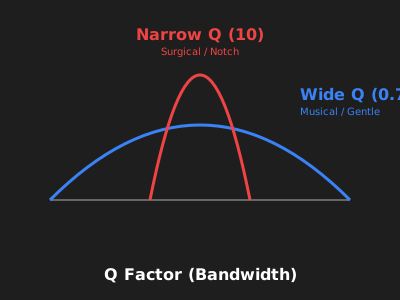
Parametric EQ & Q Factor
Invented by George Massenburg: provides continuous control of Frequency (Hz), Gain (+/-15 dB), and Bandwidth / Q factor (Q = fc / Δf). High Q creates narrow surgical notches; low Q provides broad musical shaping.
 AO3 Shelving Equalizers
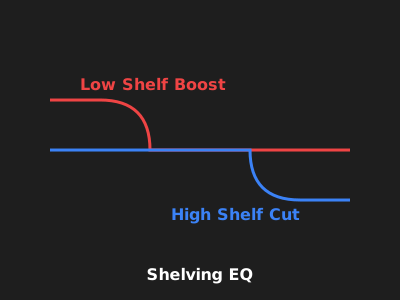
High & Low Shelving Filters
Shelving filters boost or attenuate all frequencies above (high shelf, e.g. 10–12 kHz) or below (low shelf, e.g. 80–100 Hz) the corner frequency by a constant gain, ideal for adding overall air or low-end weight.
 AO3 EQ Sweeping Technique
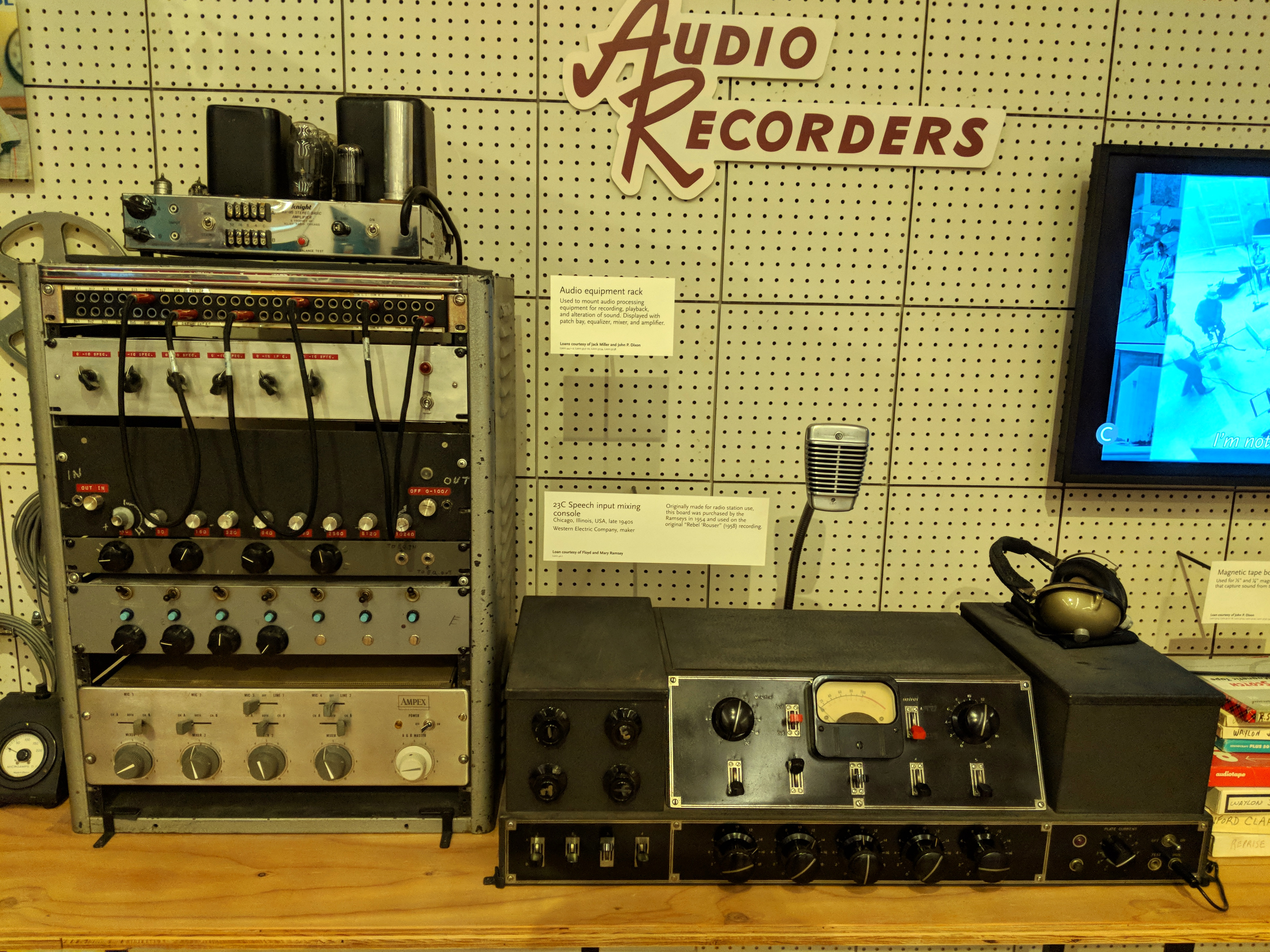
Frequency Sweeping Technique
Engineers boost gain by +10 dB, set a narrow Q, and slowly sweep the frequency knob across the spectrum to isolate harsh resonances, boxiness (300–500 Hz), or sibilance (4–8 kHz), then cut to clean up the mix.
Inserts, Aux Sends & Pre/Post Fader Switching
 AO3 Serial Processing
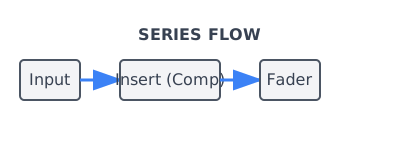
Hardware Inserts (Serial)
A single 1/4-inch TRS jack acts as an output and input: Tip sends 100% of the channel audio to an external processor (compressor, gate, graphic EQ), while Ring returns the fully processed signal back into the strip.
 AO3 Parallel Routing
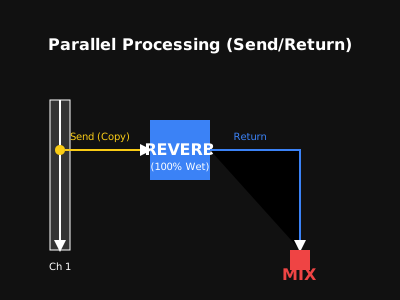
Pre-Fader vs Post-Fader Aux
Pre-fader sends tap signal before the channel fader, so performer headphone cue mixes remain constant regardless of mix fader moves. Post-fader sends scale with the fader, keeping wet reverb/delay balance proportional.
 AO3 Gain Automation
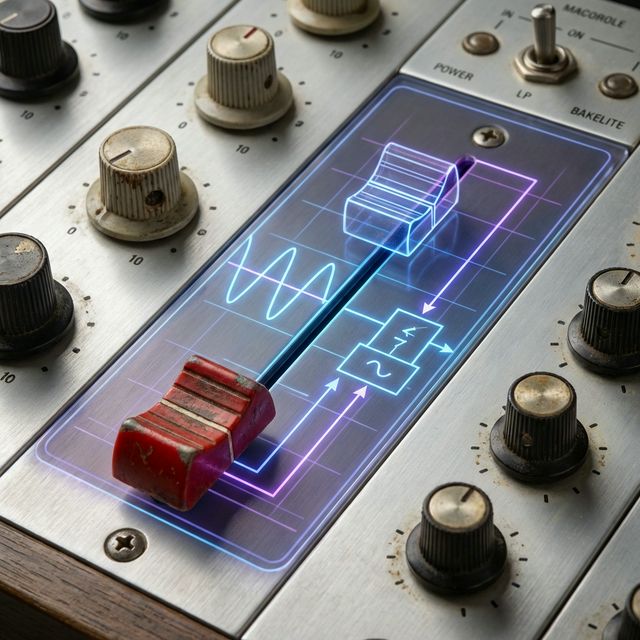
VCA Groups & Automation
Voltage Controlled Amplifiers allow one VCA master fader to adjust DC control voltages across multiple audio channels simultaneously (e.g. all 12 drum mics) without summing them into an audio sub-group bus.
Digital Mixing Consoles: Yamaha 02R & Word Clock
 AO3 Motorized Faders
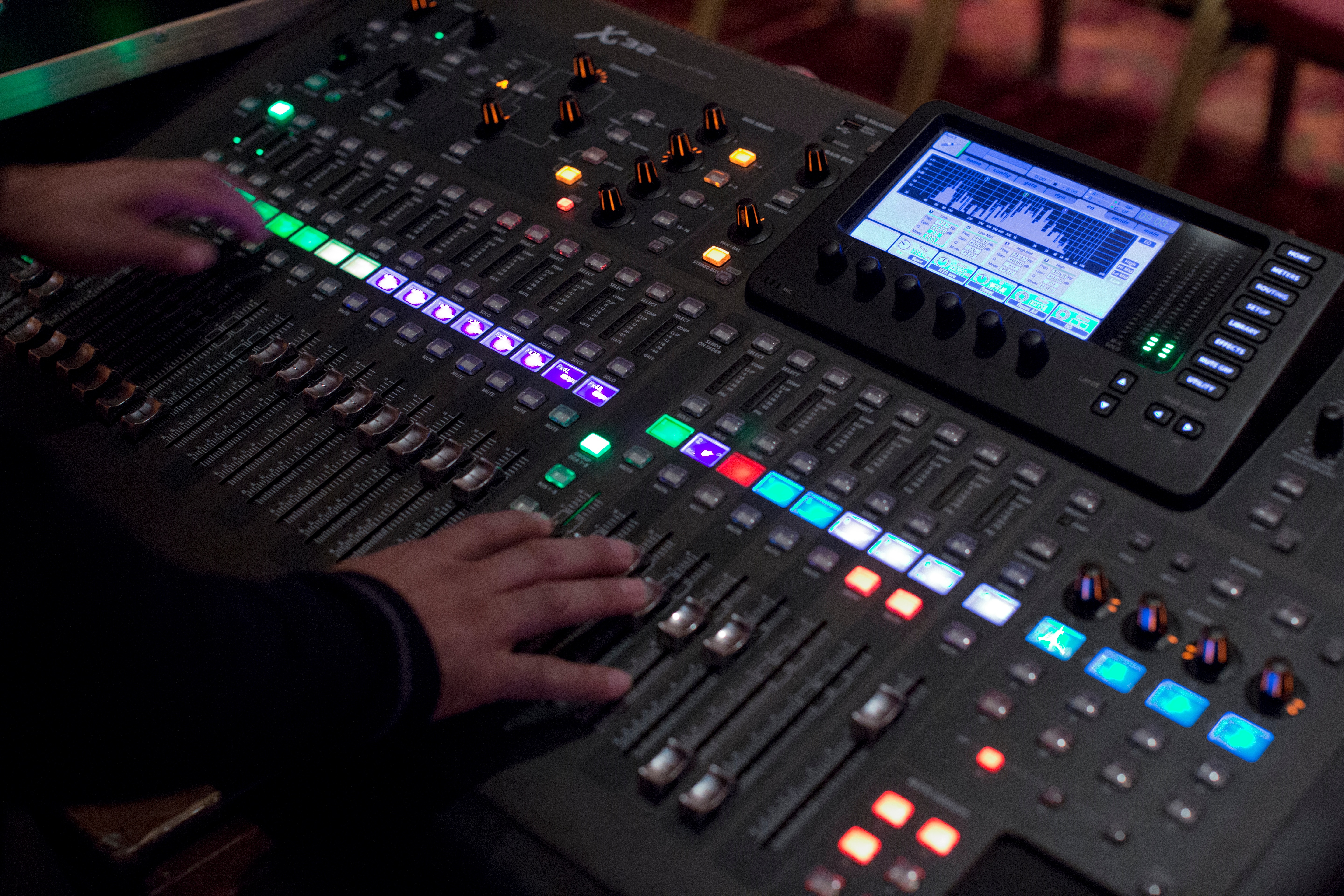
Motorized Fader Scene Recall
Digital consoles digitize input signals at the preamps. Motorized flying faders physically glide into position when recalling mix scenes, allowing instant reset of hundreds of parameters between songs or broadcast cues.
 AO3 Onboard DSP Engines
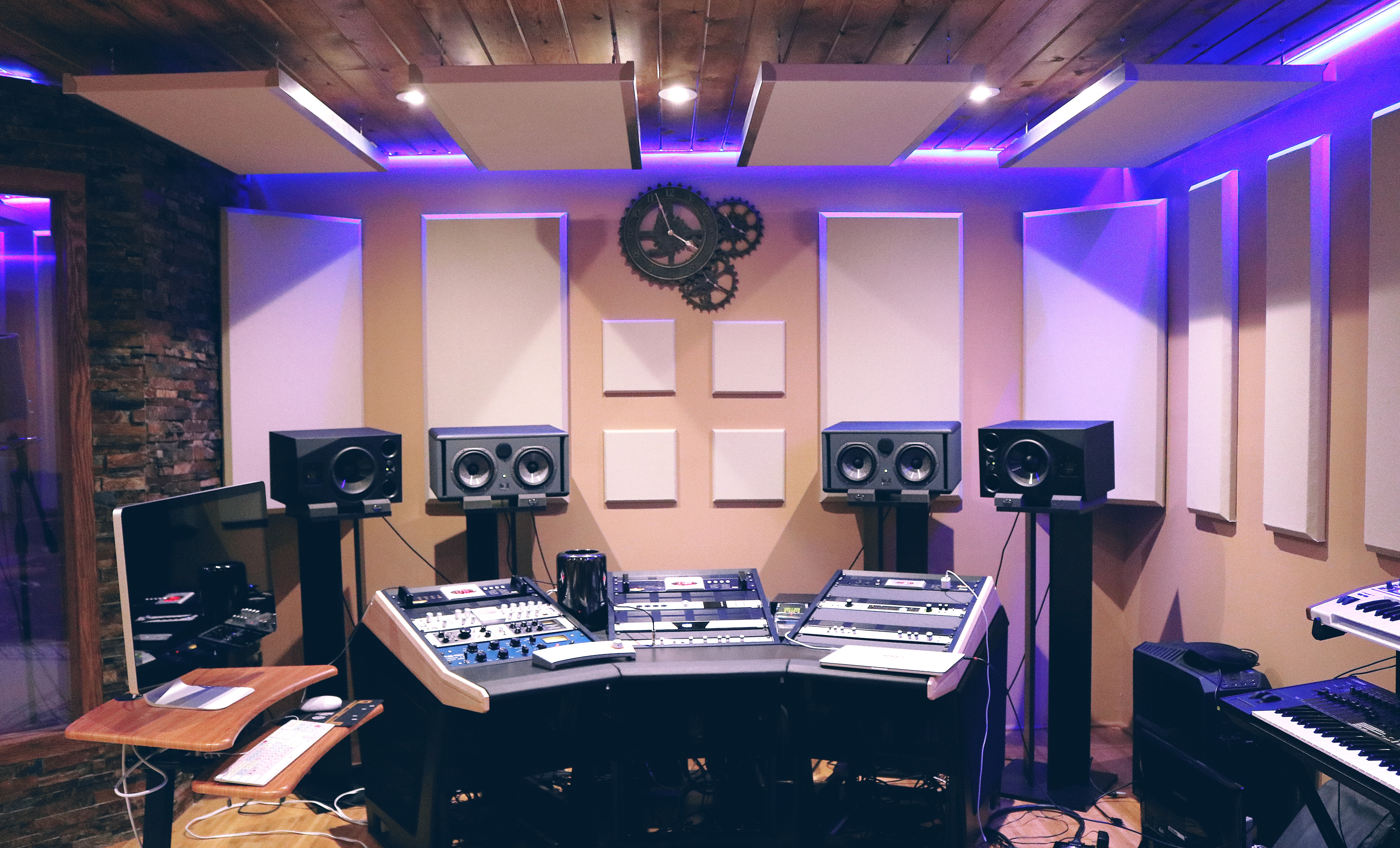
The Yamaha 02R (1995)
The gold standard of early digital desks: 32-bit internal DSP processing, fully parametric 4-band EQ and dual dynamics processors on every channel strip, built-in digital effects, and snapshot scene memory.
 AO3 Clock Jitter & Sync
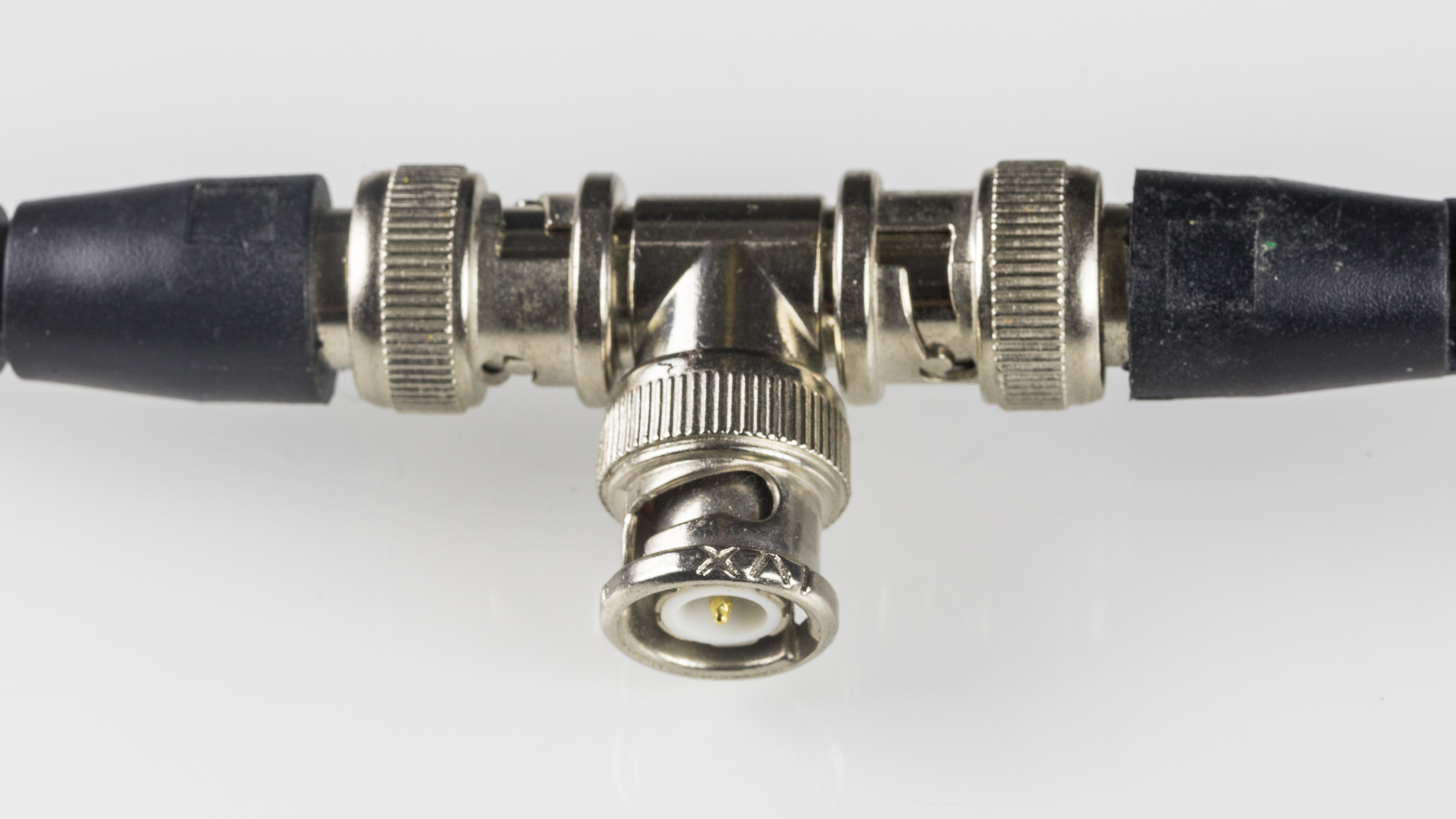
Word Clock & BNC Sync
Connecting multiple digital devices (consoles, ADATs, audio interfaces) requires a single Master Word Clock transmitted over 75-ohm BNC coaxial cables. Unsynchronized digital clocks cause severe clicks, pops, and clock jitter distortion.
Birth of the DAW: Sound Tools, Pro Tools & Logic
 AO3 Early Hard Disk Recording
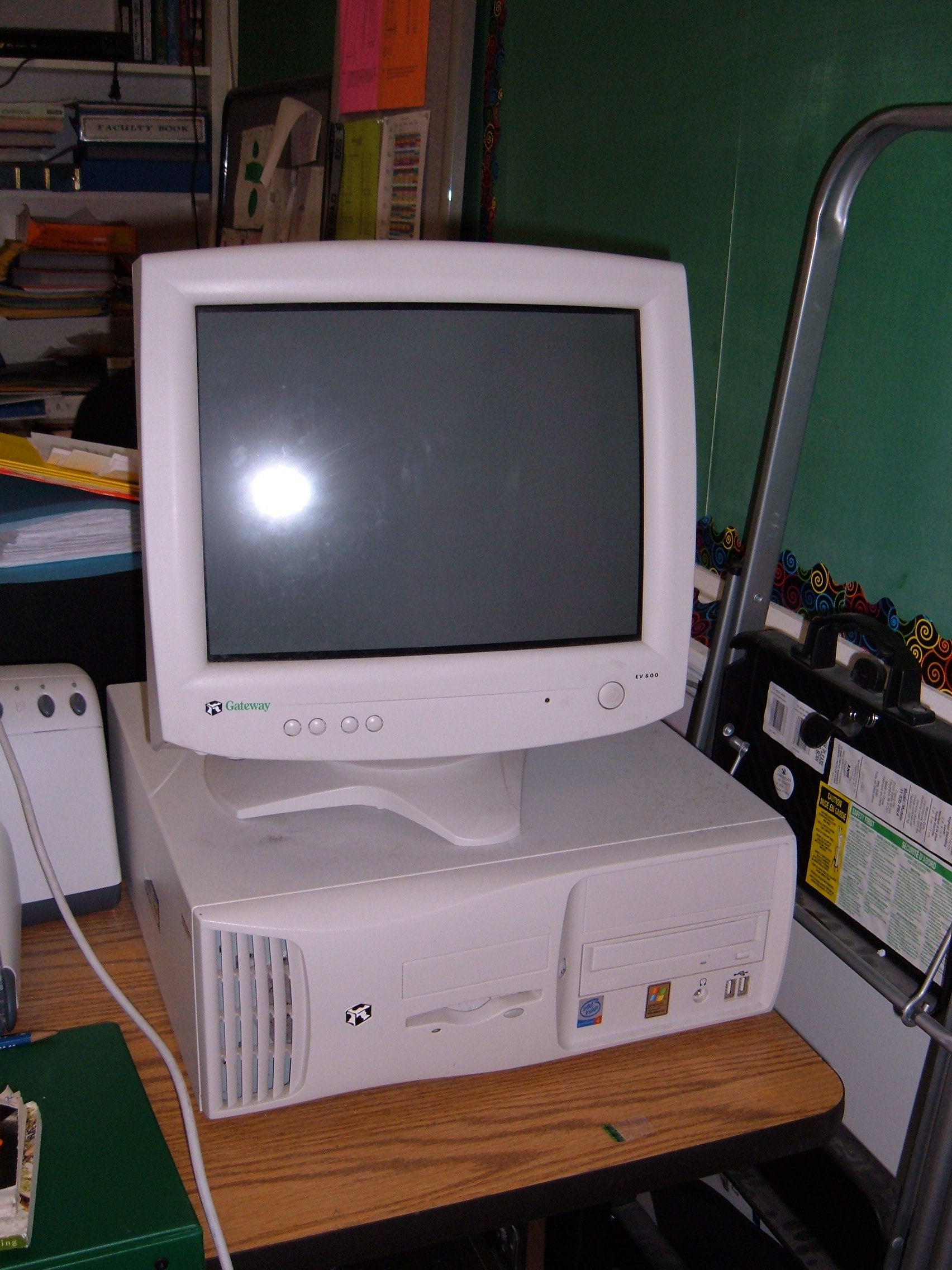
Sound Tools (1989)
Peter Gotcher and Evan Brooks founded Digidesign. Sound Tools allowed 2-track 16-bit 44.1 kHz direct-to-hard-disk recording on Apple Macintosh II computers, replacing analog tape machines for commercial CD mastering.
 AO3 Hardware Acceleration
Pro Tools TDM / HD Systems
Released in 1991 (4 tracks), Pro Tools evolved into the industry recording standard. Dedicated PCIe DSP accelerator cards handled real-time audio mixing, plugin processing, and near-zero latency tracking independently of host CPU limitations.
 AO3 Native Processing
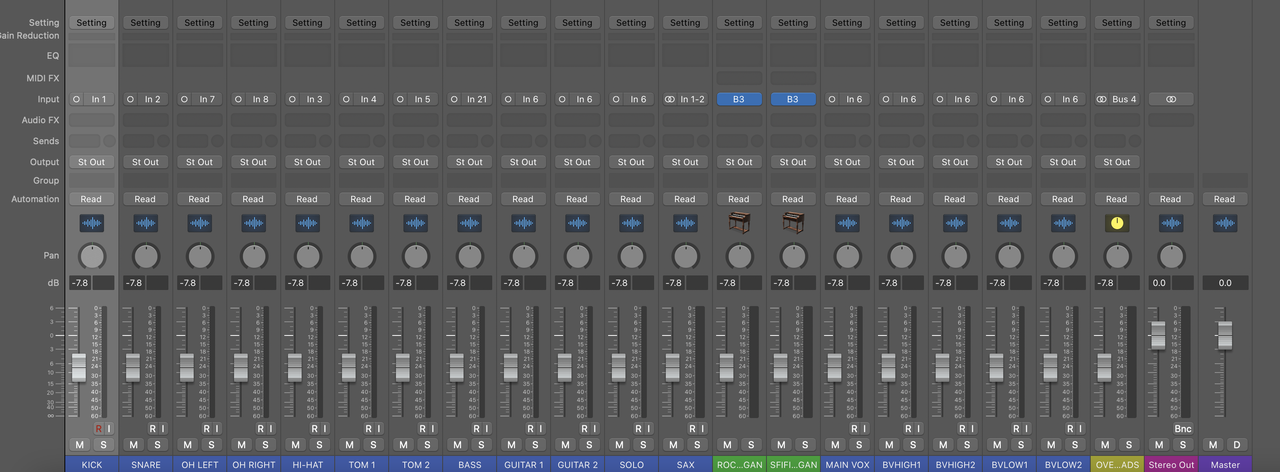
The Native DAW Era
As multi-core CPUs advanced, native DAWs (Apple Logic, Steinberg Cubase, Ableton Live) eliminated the requirement for expensive proprietary DSP cards, processing hundreds of audio tracks and plugins directly on host RAM and CPU.
PCM Audio Fundamentals: Nyquist, Bit Depth & Dither
 AO3 Sampling Theorem
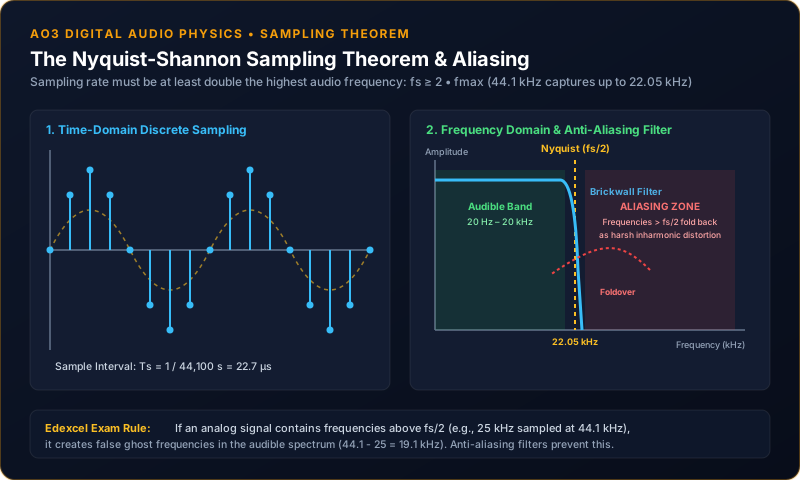
Nyquist Frequency & Aliasing
Harry Nyquist and Claude Shannon proved that capturing an audio wave requires $f_s \ge 2 f_
 AO3 Amplitude Resolution
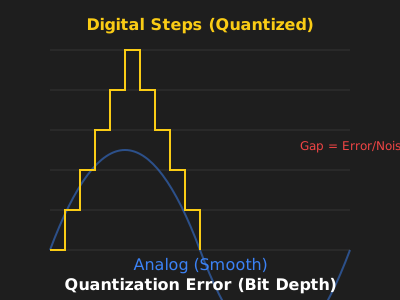
Bit Depth & Dynamic Range
Each bit provides ~6.02 dB of dynamic range: 16-bit audio offers 96 dB (65,536 quantization levels), while 24-bit audio offers 144 dB (16,777,216 levels), dropping the digital noise floor far below thermal circuit noise.
 AO3 Truncation Elimination
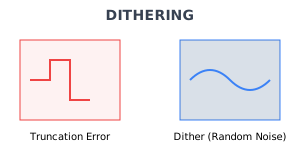
Dither & TPDF Noise
When reducing a 24-bit mix down to 16-bit for CD release, simple truncation causes correlated quantization distortion at low amplitudes. Adding Triangular Probability Density Function (TPDF) dither noise converts harmonic distortion into harmless random hiss.
Non-Linear Editing: Comping, Crossfades & Grid Modes
 AO3 Vocal Take Comping
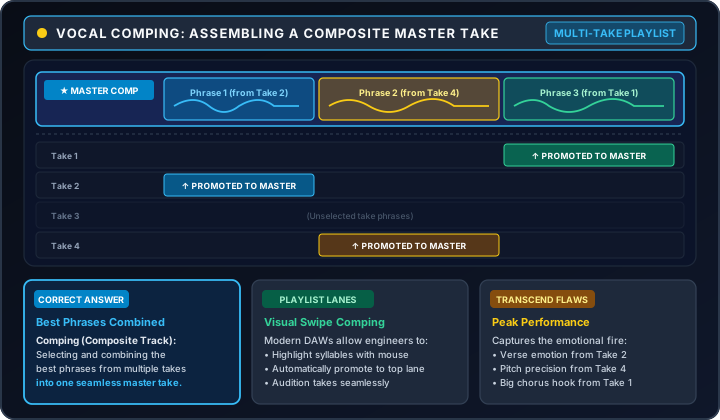
Multi-Take Audio Comping
Vocalists record 5–10 complete passes into stacked take lanes. The engineer selects the best words or phrases from each lane to assemble a seamless "composite" master vocal take using automatic micro-crossfades.
 AO3 Editing Modes
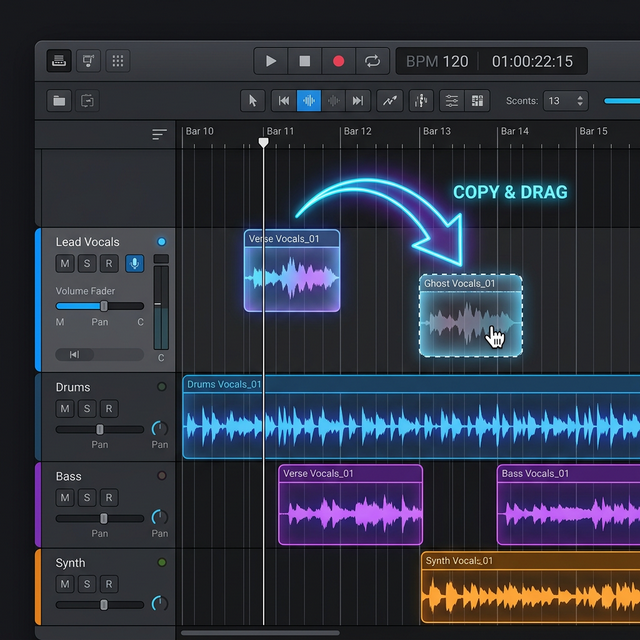
Grid, Slip & Crossfades
Grid mode locks audio slices to musical bars, beats, and quantize sub-divisions. Slip mode allows sub-millisecond nudging. Equal-power crossfades (+3 dB center sum) eliminate pops and clicks at edit boundaries.
 AO3 Automation Modes
Sample-Accurate Automation
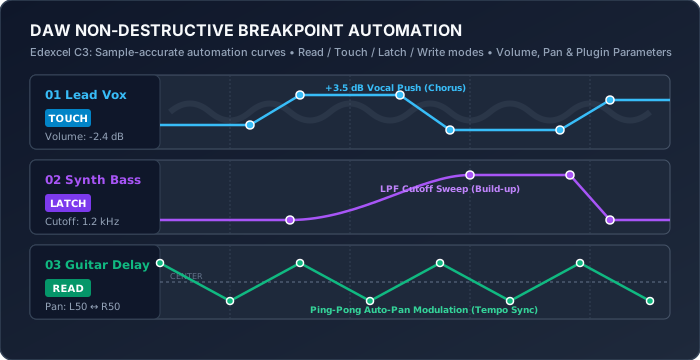
DAWs provide breakpoint automation envelopes for volume, pan, and plugin parameters. Read replays moves, Touch returns to previous value on fader release, Latch holds new values, and Write overwrites data.
Virtual Studio Technology: Plugins, Synths & Buffers
 AO3 Software Architecture
Steinberg VST & ASIO (1996)
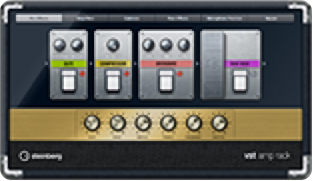
Steinberg Cubase VST introduced open-format real-time digital audio plugins and ASIO low-latency audio drivers, allowing third-party developers to design software EQ, compression, and reverb plugins.
 AO3 Virtual Instruments
Virtual Instruments (VSTi)
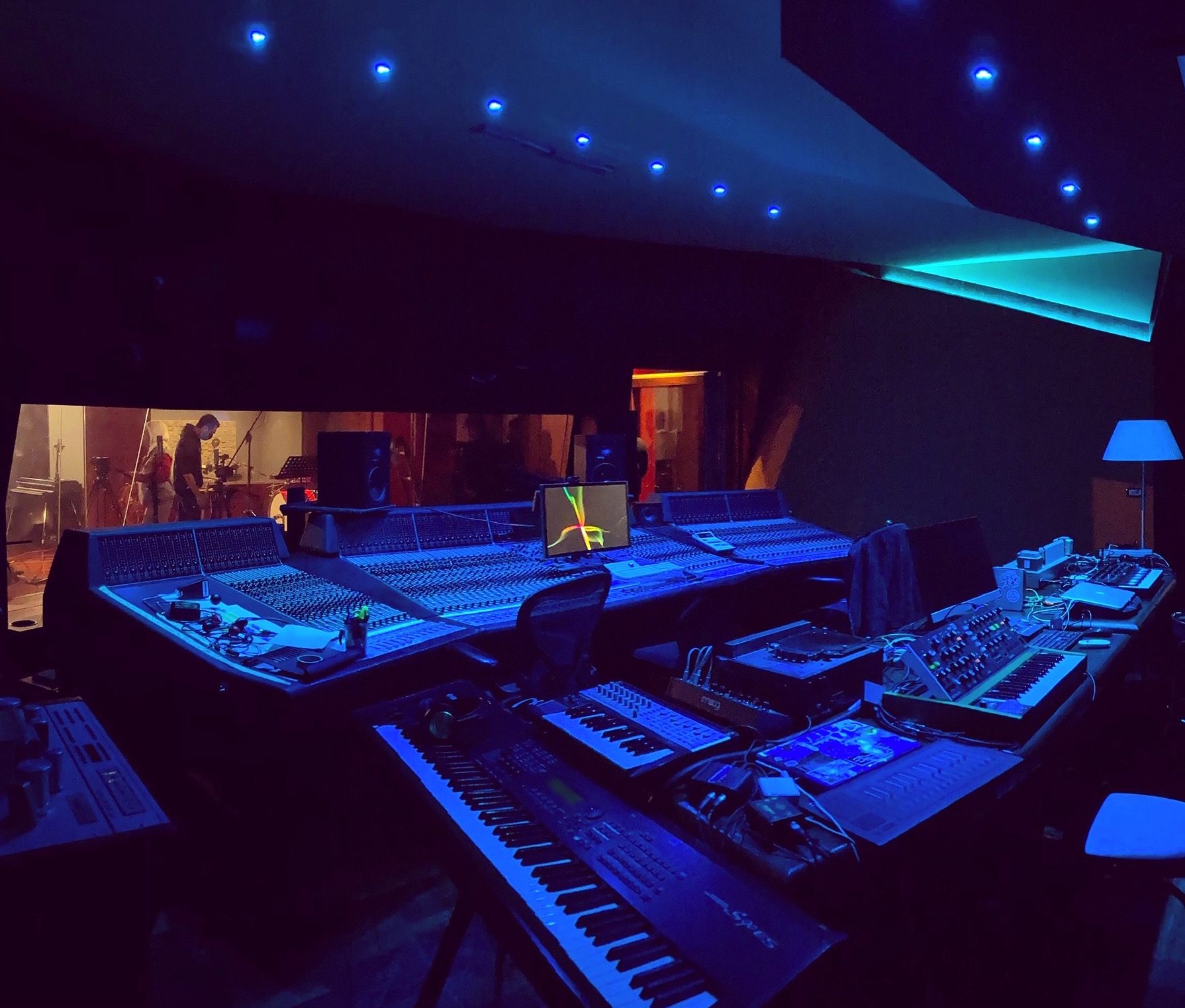
Starting with the 1999 Steinberg Neon synth, VSTi brought hardware synthesizers into code. Modeled analog oscillators, wavetable synths (Serum, Massive), and multi-gigabyte orchestral sample libraries live inside the DAW session.
 AO3 Buffer Management
Buffer Size vs Latency Trade-Off
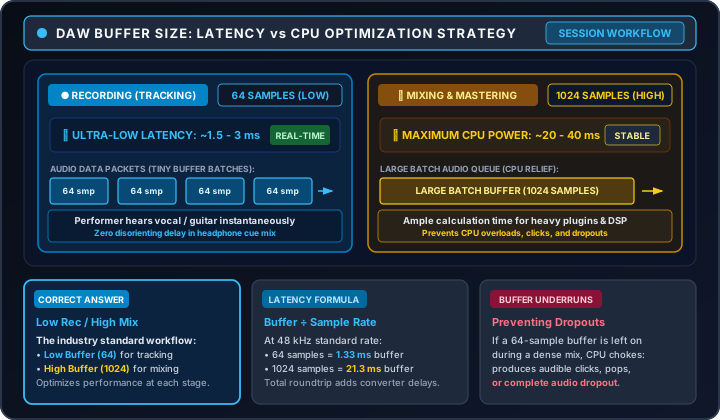
Small buffers (64-128 samples) minimize monitoring delay for live tracking (1.5-3 ms) but tax CPU cycles. Large buffers (512-1024 samples) provide processing headroom for dense mixes with hundreds of heavy plugins.
Pitch Correction: Auto-Tune, Phase Vocoders & Cher
 AO3 Phase Vocoder Math
Auto-Correlation Pitch Tracking
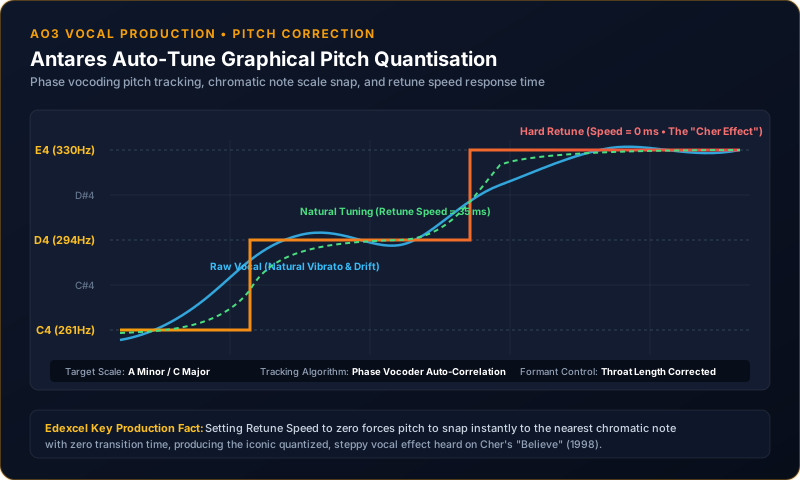
Auto-Tune detects vocal fundamental pitch by auto-correlating waveform cycles, comparing measured frequency to a user-defined musical scale, and phase-vocoding the audio to the nearest target pitch.
 AO4 Pop Production Milestones
The "Cher Effect" (1998)
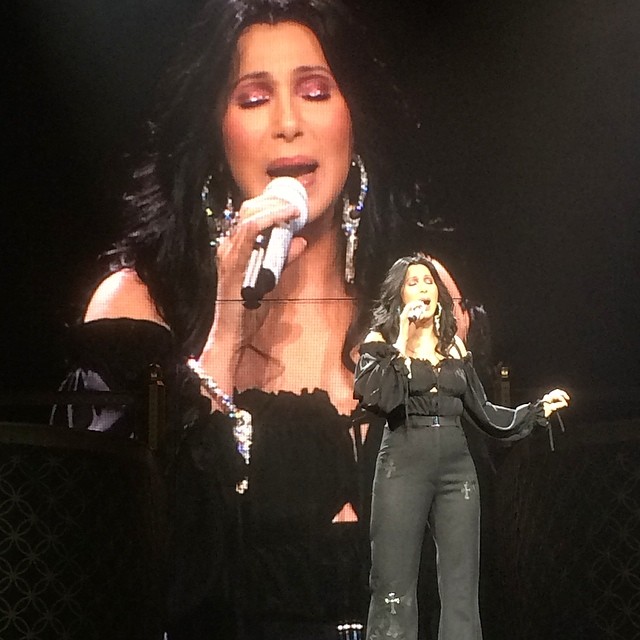
Producers Mark Taylor and Brian Rawling set Auto-Tune's Retune Speed to zero on Cher's "Believe". Snapping pitch instantaneously with zero human transition created the signature robotic pop vocal texture.
 AO3 Graphical Note Editing
Celemony Melodyne & ARA
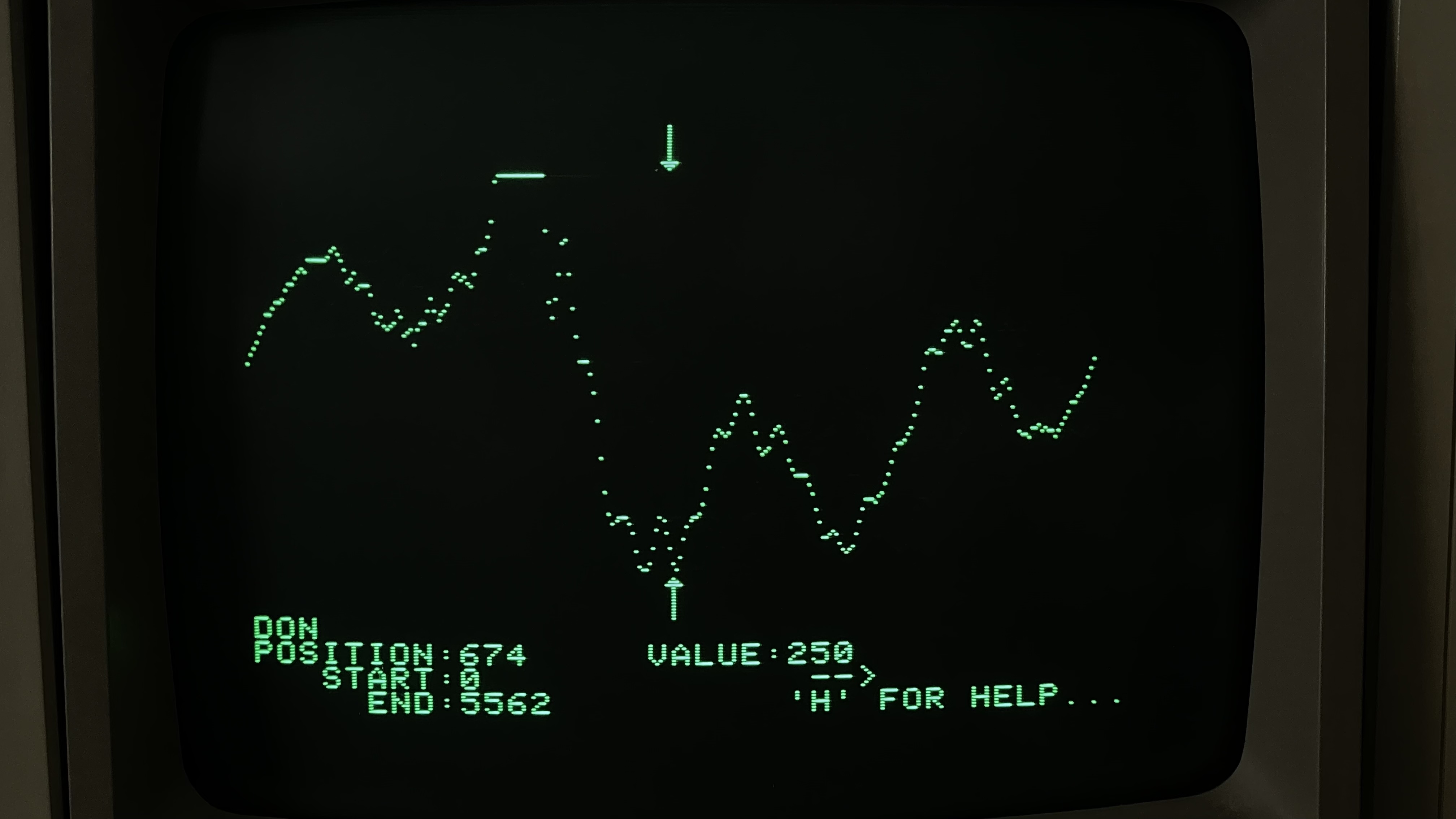
Melodyne displays audio as visual "note blobs" across pitch and time axes. Audio Random Access (ARA) integration allows deep polyphonic pitch manipulation, formant shifting, and individual note editing inside chords.
In-The-Box (ITB) vs Analog Hybrid Summing
 AO3 Pure Digital Mixing
In-The-Box (ITB) Mixing
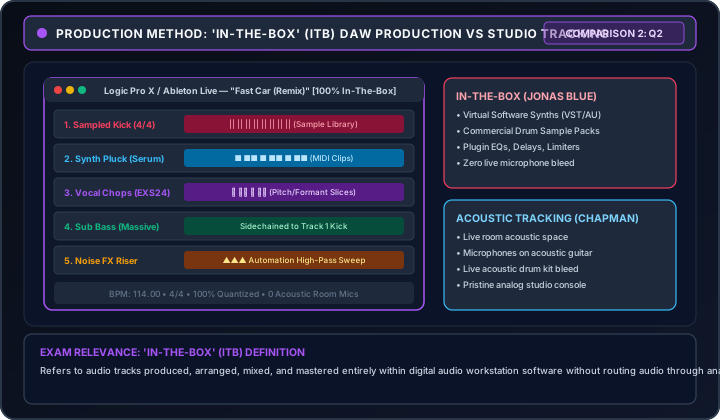
All processing, mixing, and summing occurs inside the computer using 32-bit or 64-bit floating-point math. Benefits: infinite headroom, zero noise floor, instantaneous total recall, and zero generation loss.
 AO3 Digital Audio Interfacing
Thunderbolt, ADAT & Dante
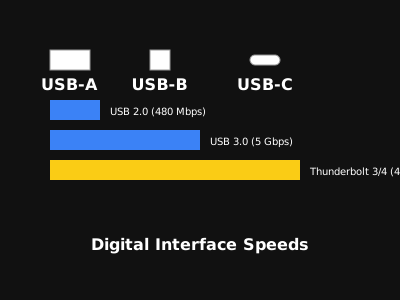
High-speed connectivity transmits dozens of channels of 24-bit 96/192 kHz audio with sub-millisecond roundtrip latency via Thunderbolt 3/4, ADAT optical, and network-over-ethernet Dante AoIP protocols.
 AO3 Analog Summing
Hybrid Analog Summing
Producers route 16–24 discrete digital DAW stem outputs through D/A converters into a dedicated analog summing mixer (resistor matrix + transformers) and stereo master bus chain before printing back to DAW at 24-bit/96kHz.
Loudness Standards: LUFS, True Peak & Streaming
 AO3 Perceived Loudness
LUFS & EBU R128 Normalisation
Loudness Units Full Scale (LUFS) measures perceived human loudness using K-weighting EQ filters. Platforms normalize audio automatically (e.g. Spotify at -14 LUFS, Apple Music at -16 LUFS), penalizing hyper-compressed master tracks.
 AO3 Digital Master Formats
True Peak & Intersample Peaks
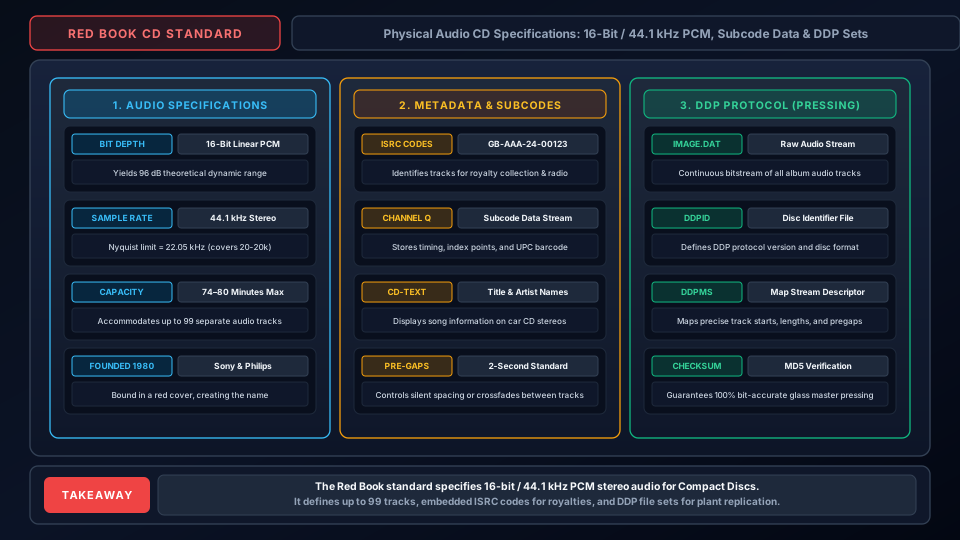
Digital brickwall limiters prevent intersample peaks (analog clipping that occurs when consecutive sample values exceed 0 dBFS during D/A reconstruction). True Peak limiters cap maximum peaks safely at -1.0 dBTP.
 AO3 Final Delivery Stems
Stems & Multi-Format Export
Final mix sessions export discrete sub-mix stems (Drums, Bass, Guitars, Synths, Lead Vox, Backing Vox) alongside 24-bit 48/96 kHz uncompressed WAV and Dolby Atmos spatial audio files for modern multi-platform release.